A Compound In Pomegranates Just Improved Heart Function By 80% In One Of The Hardest Forms Of Heart Disease To Treat.
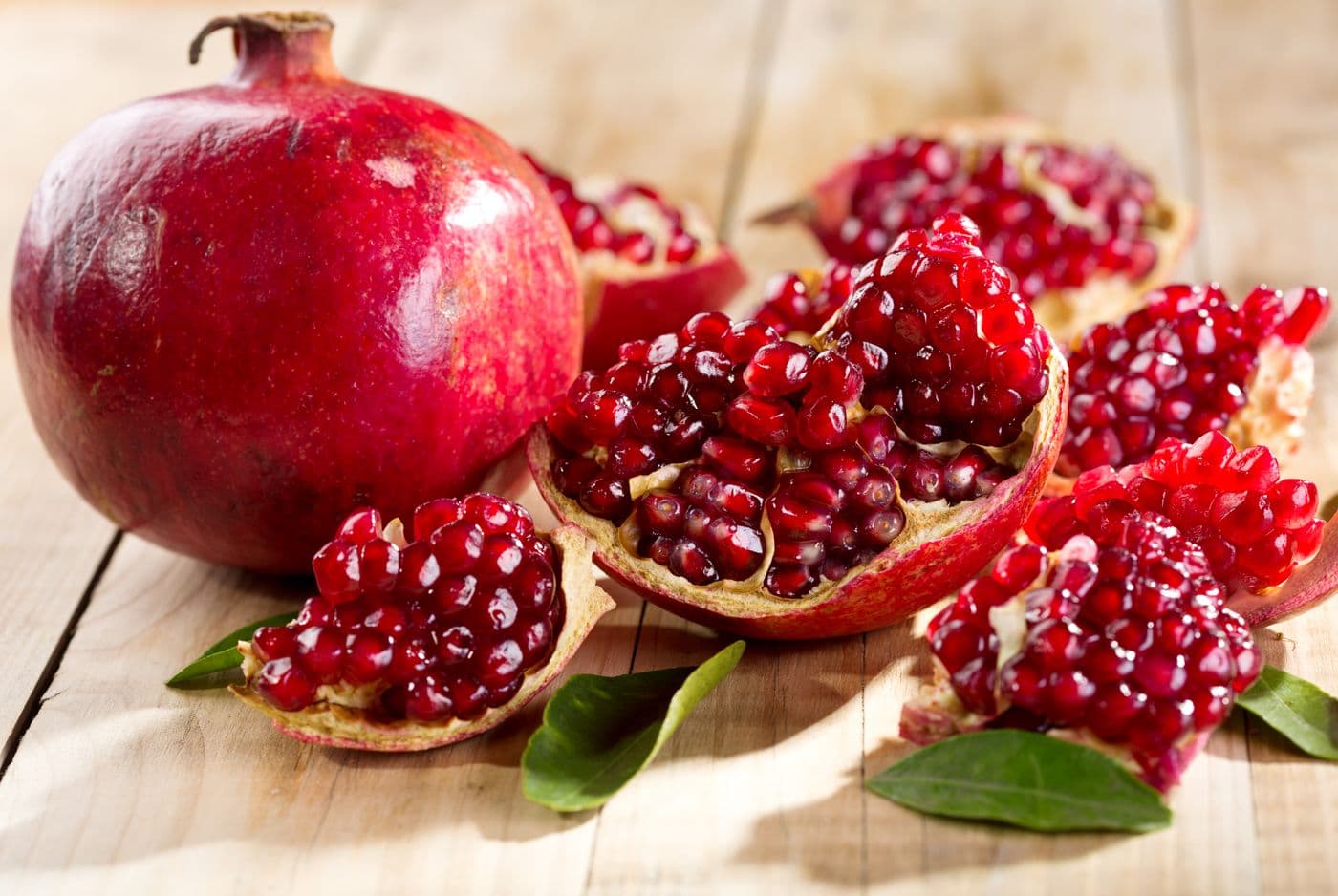
Researchers at King's College London have found that a natural compound the body produces after eating pomegranates, walnuts, and certain berries improved measures of heart function by up to 80 percent in experimental models of one of the most difficult forms of heart disease to treat. The compound is called urolithin A, and it addresses heart failure with preserved ejection fraction, a condition that accounts for roughly half of all heart failure cases and in which the heart retains its ability to pump blood normally but becomes too stiff to relax properly between beats, making it harder to fill. Because the heart can still pump, many standard heart failure treatments are less effective against this form, leaving clinicians focused primarily on managing underlying conditions like high blood pressure and diabetes while the condition itself continues to progress. The study, published in Science Advances and funded by the British Heart Foundation, found that urolithin A activates a protein called PKGlα, which plays an important role in both blood vessel function and heart muscle relaxation. In animal models treated with the compound, heart function improved by as much as 80 percent compared to untreated models. The compound also reduced fibrosis, the harmful scarring that stiffens heart tissue, and limited the enlargement of heart muscle cells that is a hallmark of the disease.
The team also tested urolithin A in engineered human heart tissue created from human stem cells, a laboratory model that closely mimics the structure and function of actual human heart muscle, and found that it significantly improved the tissue's ability to relax, a finding that suggests the results seen in animal models could translate to human cardiac function. Unlike many experimental compounds, urolithin A has already been studied in human clinical trials and has shown a favorable safety profile, which shortens the distance between this laboratory finding and a potential clinical application. Dr. Joseph Burgoyne, senior author of the study, described the condition as one of the most challenging forms of heart disease to treat and said the findings identify a completely new therapeutic target while showing that urolithin A can activate this pathway to improve heart relaxation and reduce disease severity. He was also careful about what the findings do not yet show, noting that there is not yet enough evidence to suggest that people should eat pomegranates specifically to treat heart failure, and that more research including clinical trials involving people will be needed before the compound can be recommended as a treatment. Professor James Leiper, Director of Research at the British Heart Foundation, confirmed that the findings are promising but that the benefits have so far been seen in animals and engineered tissue, and emphasized that a healthy balanced diet with plenty of fruit and vegetables remains one of the best available ways to protect heart health. The research opens a specific new door, and the people who need it most, nearly half a million in the United Kingdom alone, have been waiting a long time for one to appear.
Source:https://www.sciencedaily.com/releases/2026/09/260925093157.htm