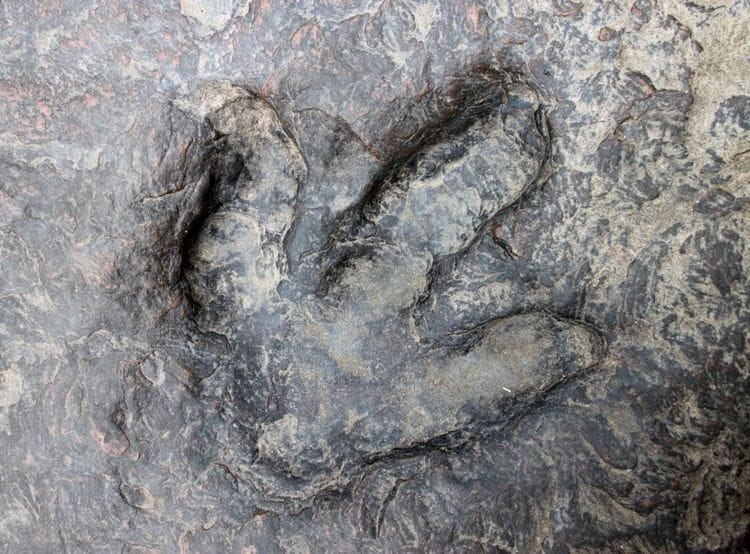
In Bolivia’s Torotoro National Park, paleontologists have documented an astonishing 16,600 dinosaur footprints at Carreras Pampas, making it the largest concentration of prehistoric tracks ever recorded in a single location. The remarkable site preserves dozens of trackways created by theropods, the bipedal meat-eating dinosaurs that included the famous Tyrannosaurus rex, as they traveled across what was once a muddy waterway between 100 and 66 million years ago. Dr. Jeremy McLarty from Southwestern Adventist University in Texas explains that while dinosaur skeletons show what these animals could do, footprints reveal what they actually did, providing perfect evidence of where dinosaurs were at specific moments in time. The tracks tell fascinating stories beyond just location, with the size of prints estimating dinosaur dimensions, the spacing between steps suggesting movement speed, and the curves in trackways indicating hip flexibility and possible injuries.
Most remarkably, the majority of tracks point north-northwest or southeast, were made over a short period, and may represent an ancient migratory route that extended as far south as Argentina, creating what researchers are calling a prehistoric highway. Individual toe impressions, tail drag marks, and various gaits preserved in stone offer insights into posture, terrain conditions, and even swimming or wading behaviors that bones simply cannot provide. The trackways include evidence of both isolated travelers and possible group movements, with some theropods measuring as small as two feet tall at the hip while others reached three feet in height. McLarty emphasizes the profound connection visitors experience at the site, noting that when you stand at Carreras Pampas, you know with absolute certainty that you are standing exactly where a dinosaur once walked millions of years ago.