Why Salamanders Can Regrow Limbs, Answers Point To A Future Treatment For Humans
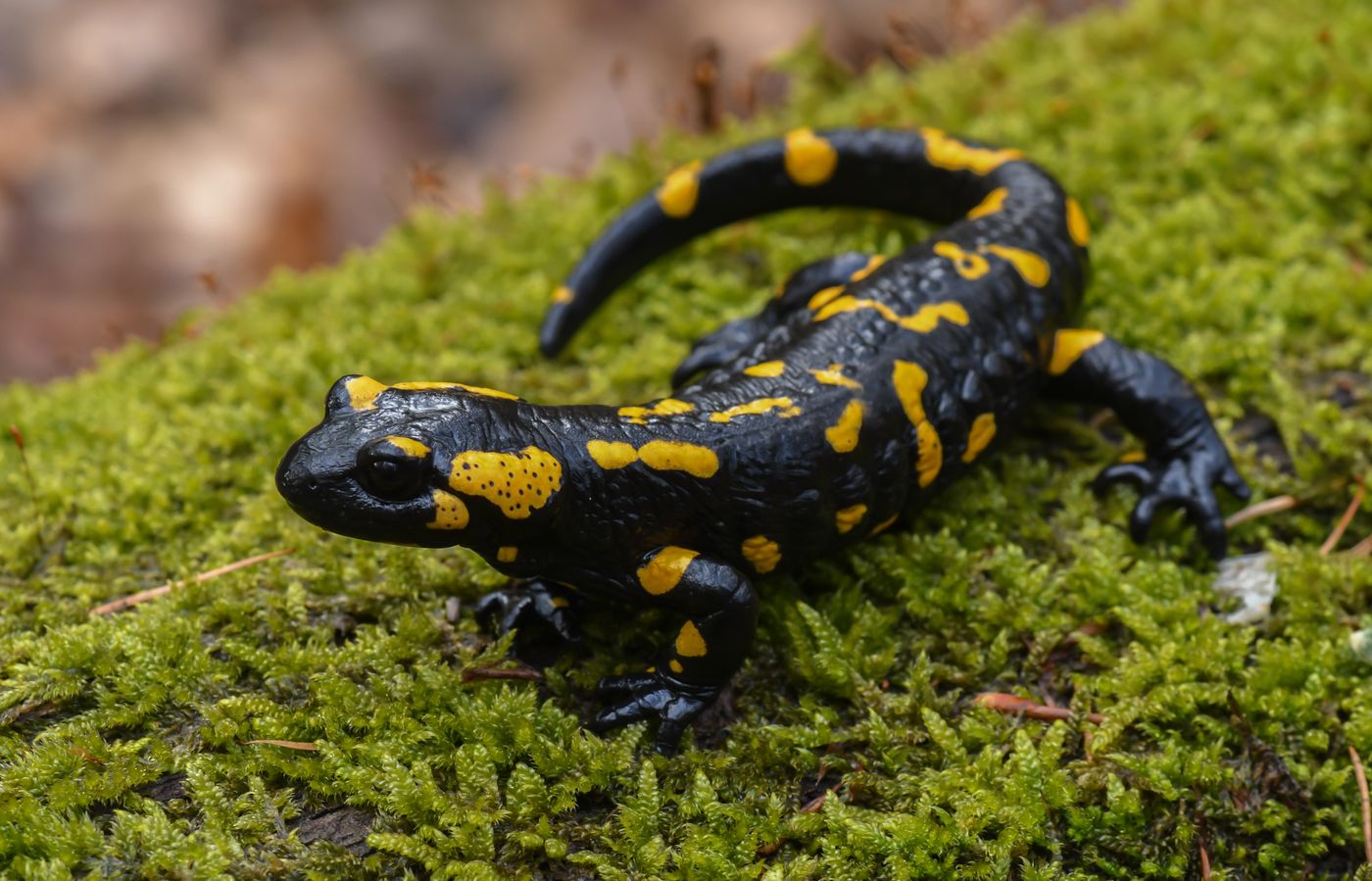
Biologists have puzzled over why salamanders can regrow entire limbs while mammals form scars and stop there since the 18th century, when early naturalists first documented the phenomenon and immediately began asking why it was not universal. A study published in the journal Science by researchers at EPFL in Switzerland and the Max Planck Society has identified the mechanism that answers that question, and the finding is both surprising and immediately actionable: the difference is not about exotic regeneration genes unique to amphibians, but about how cells sense oxygen in the critical minutes and hours after an injury occurs. When a salamander or frog tadpole loses a limb, the cells at the wound site experience low oxygen, a state called hypoxia, and that low-oxygen environment stabilizes a protein called HIF1A, which acts like a switch that opens the door to regenerative cell programs. The cells become more mobile, shift their metabolism toward glycolysis, and modify the chemical marks on their DNA in ways that make regenerative gene expression easier. In mammals, the same wound is bathed in more oxygen, HIF1A breaks down too quickly, and the regenerative window closes before it can gather force, defaulting instead to scar tissue formation.
The most striking part of the study is what happened when researchers intervened. When they lowered the oxygen levels around embryonic mouse limb wounds, the mouse cells began behaving more like frog tadpole cells: wounds closed faster, skin cells became more mobile, and the cellular state shifted toward the early hallmarks of regeneration. When they stabilized HIF1A chemically, the same effects emerged even without changing oxygen levels. Frog tadpoles, it turned out, maintain stable HIF1A activity across a wide range of oxygen conditions because they produce less of the molecular machinery that normally degrades it, which is why their regenerative programs run smoothly even under higher oxygen. Axolotl salamanders showed the same pattern. The team compared data across frogs, axolotls, mice, and human datasets and found a consistent result: animals that regenerate show reduced oxygen-sensing capacity that keeps HIF1A stable, while mammals show heightened sensitivity that shuts regenerative programs off early. Lead researcher Can Aztekin said the findings identify a fundamental and targetable mechanism that can unlock latent regenerative programs already present in mammals, and early tests stabilizing HIF1A in human skin have already shown cleaner, faster wound repairs. The ability to regrow limbs may not be something mammals lost so much as something they simply never learned to turn on.