The World's Largest Electric Aircraft Flew For 27 Minutes And Used Just $5 Of Electricity
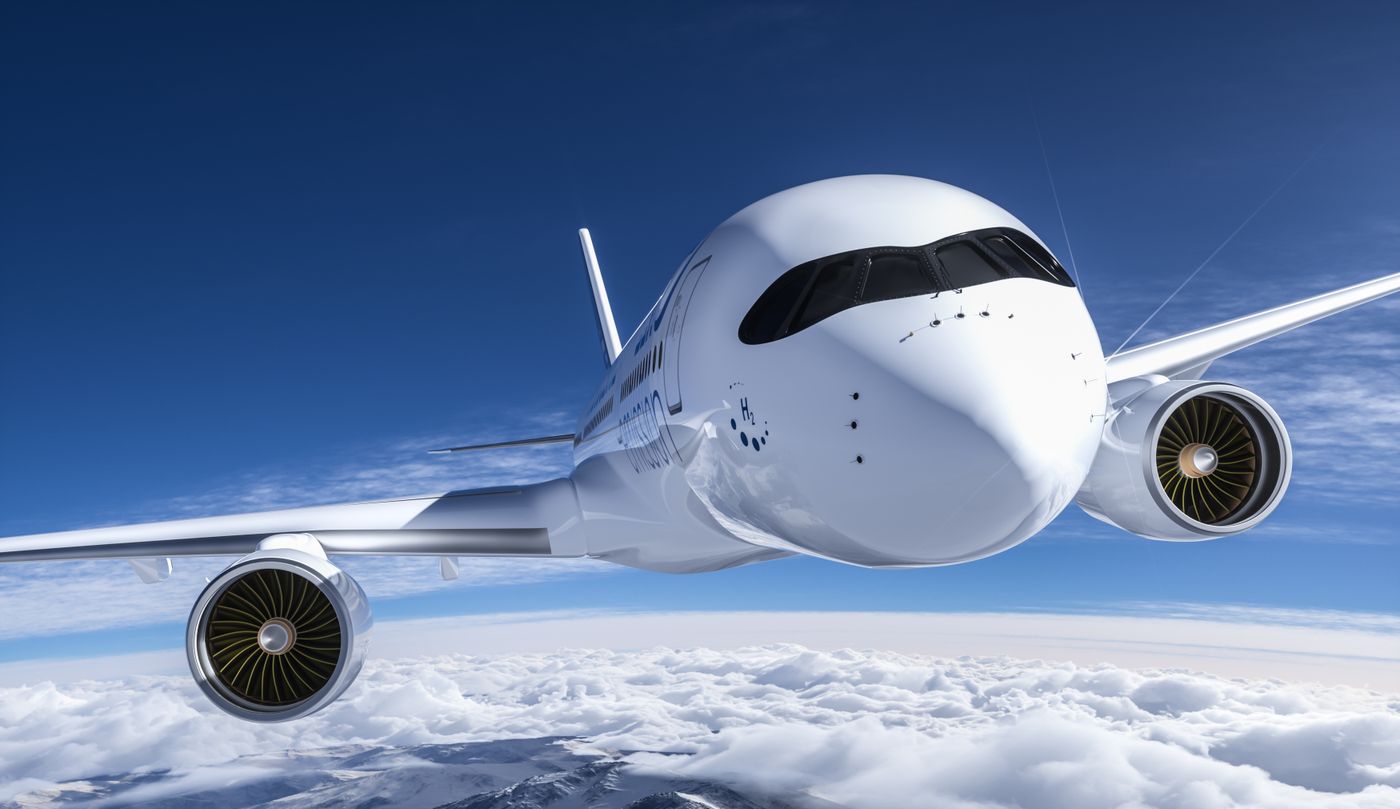
On August 12, 2026, a new chapter in aviation history was written at Plattsburgh International Airport in upstate New York. Heart Aerospace, a Los Angeles-based company founded in Sweden, successfully completed the first flight of the X1 demonstrator — the largest battery-electric aircraft ever to take to the skies. The aircraft flew for 27 minutes, reached an altitude of 1,100 feet, completed a full test profile including taxi, takeoff, climb, maneuvering, and landing, and powered its entire journey using one megawatt of battery-electric propulsion. The total electricity cost for the flight: approximately $5. The aircraft spans 106 feet wingtip to wingtip, measures 76 feet from nose to tail, and weighs more than 25,000 pounds. It is a full-scale technology demonstrator designed to prove that aircraft of this size can fly entirely on battery power.
The timing matters enormously. Jet fuel averaged $3.50 per gallon in the week the flight took place, up 63 percent year over year, with the global airline industry expected to spend $350 billion on fuel in 2026 alone — nearly a third of all operating costs. Heart Aerospace claims its planned production aircraft, the ES-30, a 30-seat hybrid-electric regional plane designed for routes up to 800 km, could reduce operating costs for regional carriers by more than 40 percent compared to conventional turboprop aircraft. The ES-30 has already attracted $9.4 billion in customer commitments from United Airlines and Air Canada, among others. Heart is targeting commercial service entry by 2031. The X1 demonstrator is the proof of concept that makes those commitments credible. Five dollars of electricity. Twenty-seven minutes in the air. The future of flight took off from upstate New York.