A Chewing Gum Fights Cancer And It's Made From Bean Plants
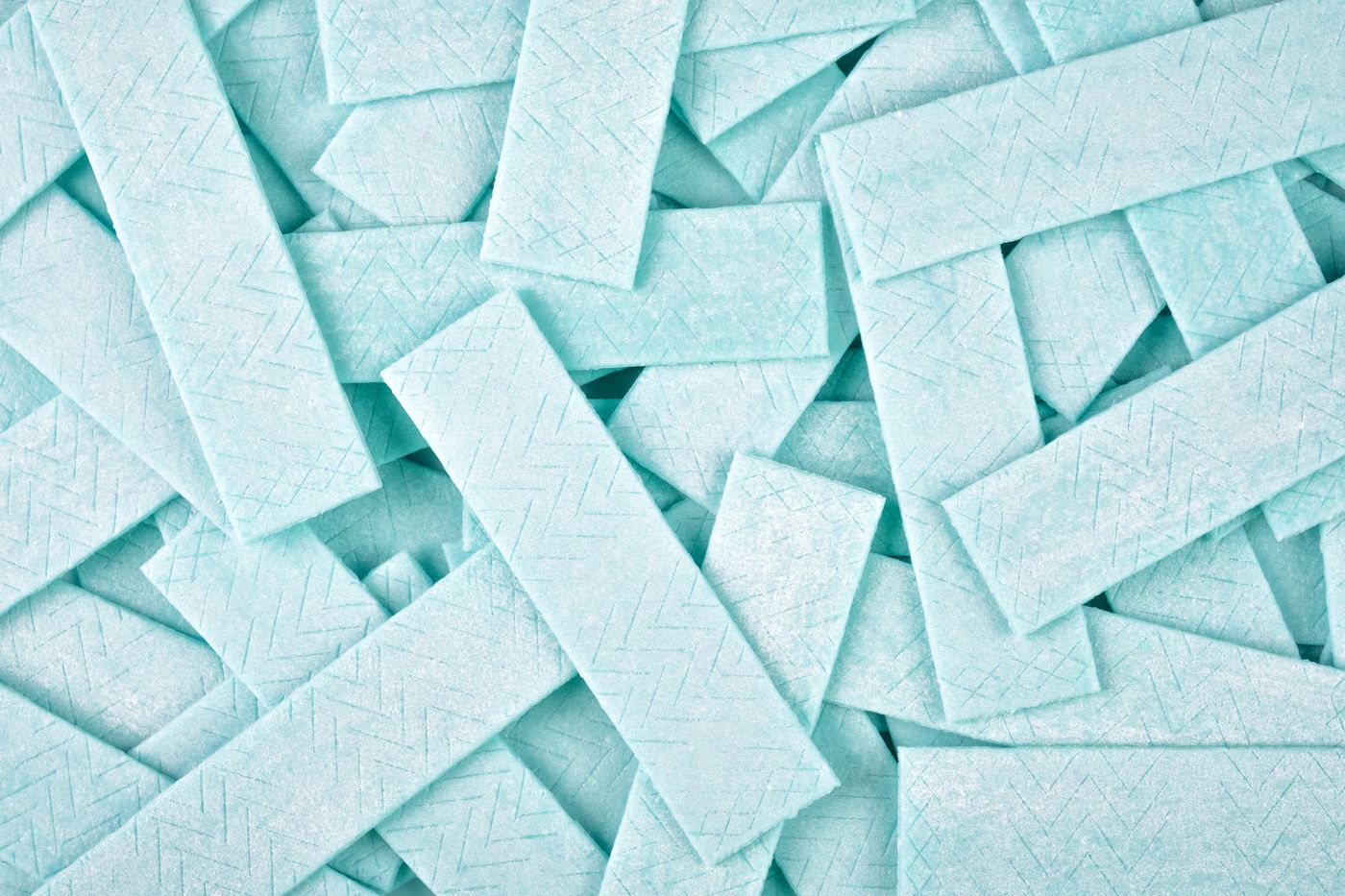
Researchers at the University of Pennsylvania's School of Dental Medicine have developed a bioengineered chewing gum made from lablab beans that reduced the human papillomavirus by 93 percent in saliva samples and by 80 percent in oral rinse samples taken from patients with head and neck squamous cell carcinoma, one of the more aggressive forms of cancer and one for which outcomes remain poor when it is discovered late. The gum contains FRIL, a naturally occurring antiviral protein found in the beans, and the research team led by Henry Daniell then engineered a version of the gum to also contain protegrin, an antimicrobial peptide capable of killing harmful bacteria. Tests showed that a single dose of the enhanced gum brought levels of two bacterial species strongly linked to head and neck cancer, Porphyromonas gingivalis and Fusobacterium nucleatum, down to nearly zero. The findings were published in Scientific Reports. Daniell noted that the global increase in oropharyngeal cancer is directly linked to HPV infection, and that Pg and Fn infections worsen survival rates for patients with untreated recurrent or metastatic oral cancer even after surgery.
What makes the finding particularly compelling is what the gum did not do. While conventional radiation therapy can reduce beneficial mouth bacteria while encouraging the growth of harmful yeast such as Candida albicans, the chewing gum treatment did not harm the healthy oral microbiome. The ability to target dangerous microbes while leaving beneficial bacteria intact is an important feature that distinguishes this approach from many existing treatments and could make it safer for long-term use. Researchers believe the gum could eventually serve as an adjuvant treatment alongside existing cancer therapies, or as a preventive measure to reduce HPV infection and transmission in high-risk populations. Daniell pointed out that lip and oral cavity cancer ranked as the seventh-leading cancer type worldwide in incidence and mortality in adolescents, young adults, and middle-aged adults in 2022, and that the findings support advancing these therapies to clinical trials. A treatment as accessible and inexpensive as a piece of engineered chewing gum, if it proves effective in human trials, could reach populations who currently have limited access to expensive drug therapies and hospital-based interventions.
Source:https://www.sciencedaily.com/releases/2026/08/260803080917.htm