In Three Years, A Country Has Eliminated A Disease That Blinds Millions
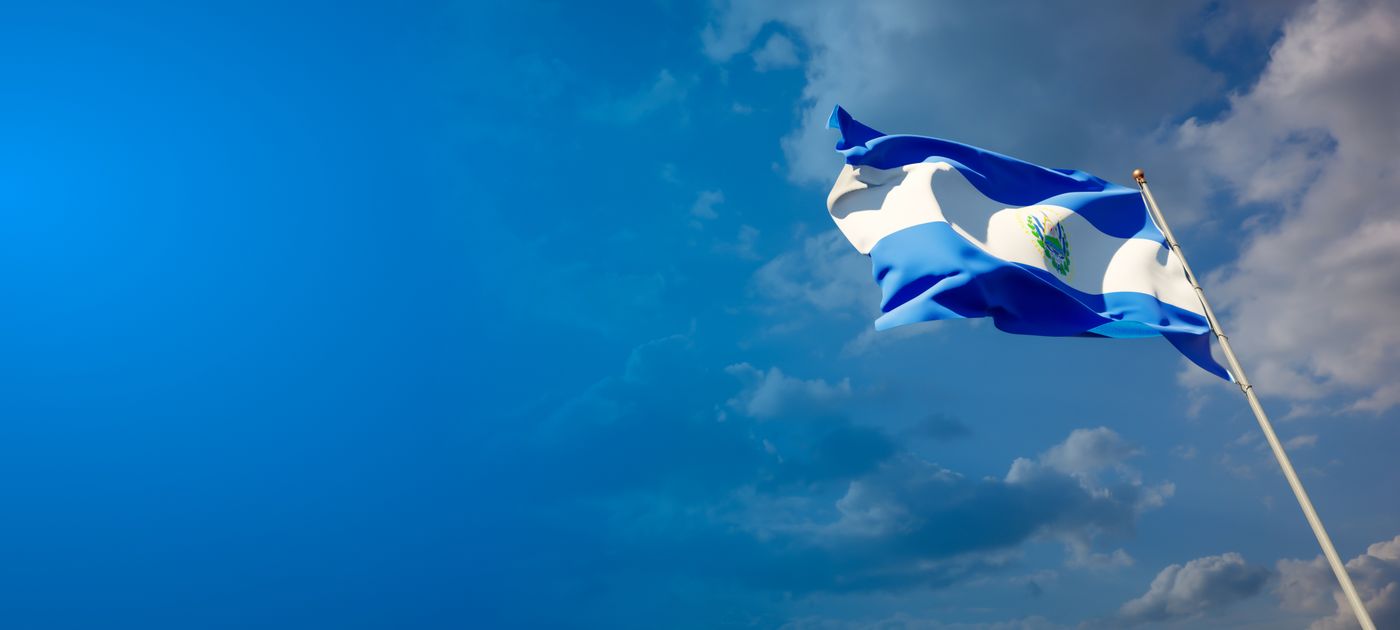
The World Health Organization validated El Salvador on July 13, 2026 as having eliminated trachoma as a public health problem, making it the first country in Central America and the second in the Americas to achieve the milestone, joining a global group of 64 countries that have been recognized for eliminating at least one neglected tropical disease. Trachoma is caused by the bacterium Chlamydia trachomatis, spreads through contact with discharge from infected eyes and noses, and is the world's leading infectious cause of blindness, responsible for visual impairment or blindness in approximately 1.9 million people globally. When left untreated through repeated cycles of infection, it causes scarring inside the eyelid that eventually turns the eyelashes inward to scrape continuously against the eye surface, a painful and progressive condition called trichiasis that destroys vision. The disease is strongly associated with poverty and lack of access to clean water and sanitation, and it remains endemic in some of the world's most vulnerable rural communities. Between 2023 and 2026, El Salvador conducted targeted assessments in communities identified as high-risk based on environmental and social factors, and found no evidence of active trachoma transmission in any of them.
El Salvador's Health Minister Francisco Alabi credited the achievement to sustained national effort supported by the Pan American Health Organization and the Government of Canada, and said the country was proud to have reached the certification in just three years, positioning El Salvador as a regional leader in visual health. The elimination process involved strengthening primary health care services, improving access to water, sanitation, and hygiene infrastructure, expanding visual acuity screening for adults, and building surveillance systems to detect and manage any future cases. WHO Director-General Dr. Tedros Adhanom Ghebreyesus called the validation a testament to political commitment, strategic investment, and community engagement, and said El Salvador's success was a vital step toward the global target of eliminating trachoma worldwide by 2030. The achievement is part of a broader global momentum: Australia, Tunisia, Algeria, and Libya have all been validated for trachoma elimination in 2026 alone, and WHO continues to work with Brazil, Colombia, Guatemala, and Peru, where the disease remains a public health problem in rural and remote areas. For the communities in El Salvador that have lived with the threat of trachoma across generations, the validation means that blindness from a preventable and treatable infection is no longer a future they have to worry about.