AI Tool Diagnoses Autism And ADHD Using Only The Eye
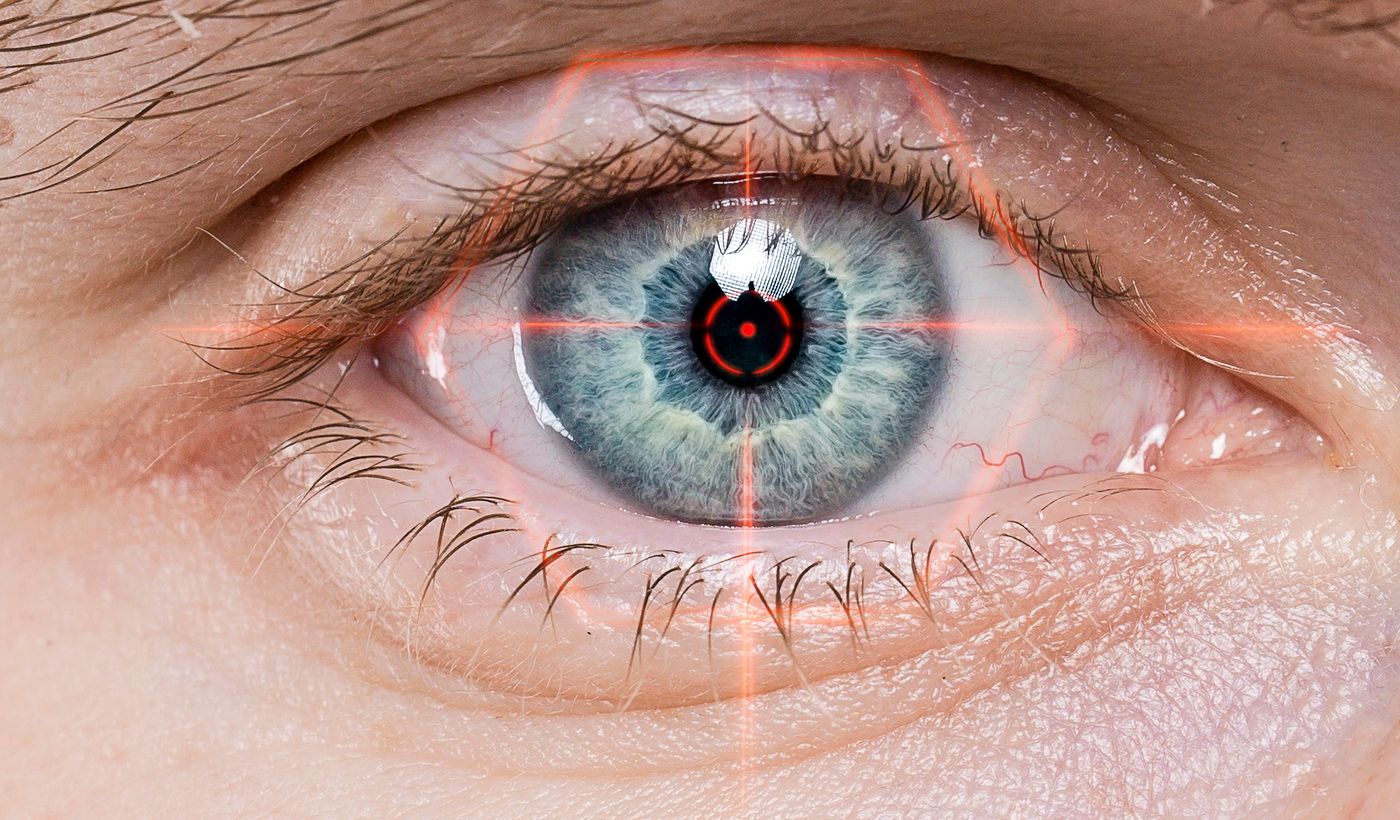
Three years ago, Edward Kang was a high school student in Hackensack, New Jersey, reading through research papers for a school project when he came across a study suggesting retinal images could be used to diagnose autism. "I thought it was fascinating and really unintuitive that you can use something like the eye to understand what's happening in the brain," he said. He had no programming background. So he taught himself to code, took online machine learning classes, and spent the next three years building RetinaMind, an AI tool that analyzes retinal images and diagnoses autism spectrum disorder and ADHD with an accuracy rate of 89 percent. The tool feeds retinal images through multiple AI models simultaneously, combines their predictions, and generates a heat map highlighting which regions of the retina drove the result. Getting an autism or ADHD diagnosis currently requires behavioral assessments that can take months or years. A retinal scan takes minutes.
RetinaMind won second place and a $175,000 award at the 2026 Regeneron Science Talent Search, the oldest and most prestigious STEM competition for high school students in America. "He didn't just build a model," said Maya Ajmera of Society for Science. "He also explored the underlying gene changes, which strengthened the scientific rigor." Kang, now 17, is already working on the next version: a model that distinguishes between mild, moderate, and severe autism rather than making a blanket diagnosis. "The more specific information we can get out of the model," he says, "the more effective it is in terms of guiding treatment and making sure the child is getting the right amount of support they need."