
Archaeologists Found A Wooden Stonehenge That Predates The Real One By 500 Years.
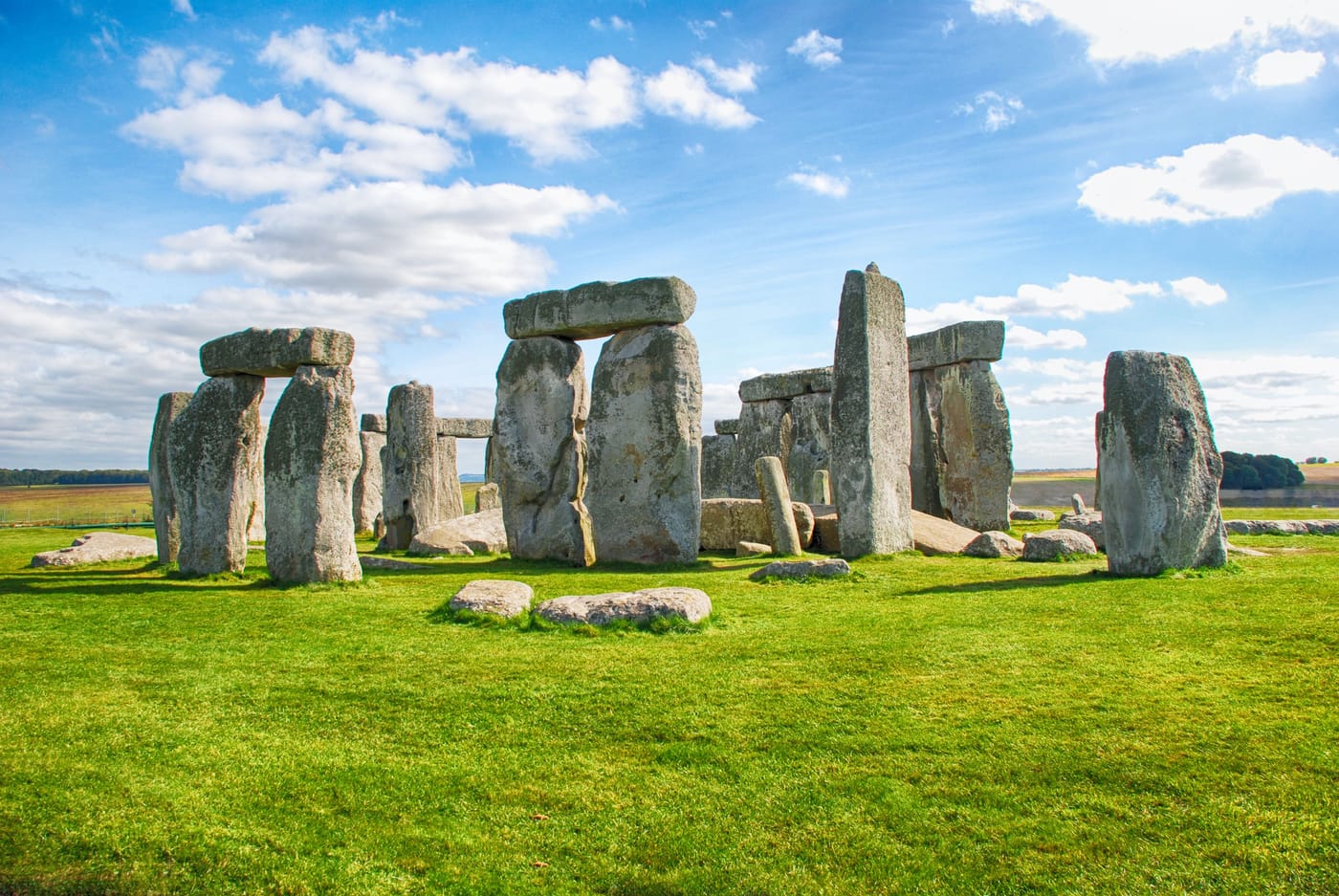
Archaeologists from the British firm Wessex Archaeology announced this week that they have discovered the remains of a wooden monument near the village of Bulford in Wiltshire, England, just three miles from Stonehenge, that appears to have aligned with the rising sun at the summer solstice and the setting sun at the winter solstice approximately 500 years before the famous standing stones were ever erected. The structure consisted of two massive wooden posts set into pits approximately 400 feet apart, radiocarbon dated to around 2950 BCE, and when archaeologist Phil Harding drew a line between the two postholes during excavation, he noticed immediately that it pointed almost exactly 50 degrees off true north, the same line as the midsummer sunrise, and that this line was parallel to the solstice alignments at Stonehenge itself. Harding, who is well known in the UK for his decades on Channel 4's archaeology series Time Team, described the discovery as the greatest find of his career, saying it represents the earliest known solar alignment in the Stonehenge landscape and pushes back clear evidence of ancient astronomical knowledge in the region by half a millennium.
Along with the postholes, archaeologists found 48 pits at the site containing hundreds of shards of grooved-ware pottery decorated in a distinctive Woodlands style that originated in Scotland's Orkney Islands, along with animal bones, charcoal, and a rare disc-shaped flint knife that some researchers have suggested may have represented the sun, though that interpretation remains speculative. The pottery dates to around the same period as the wooden structure and represents the largest collection of its kind found in the Stonehenge area, adding to a growing body of evidence for deep cultural connections between the builders of Stonehenge and the monument builders of Orkney. The wood from the posts rotted away thousands of years ago and what remains are the chalk-filled holes that once held them, but the alignment they define is striking enough that Harding said thousands of people would gather at Stonehenge that very weekend to celebrate the summer solstice without realizing that 5,000 years ago, people were already doing the same thing on a hillside just three miles away, watching the same sun rise over the same horizon, for reasons that still reach across the millennia with unmistakable force.














