An Arthritis Drug Restored 100% Of Hair In 1 In 5 Alopecia Patients In Just 6 Months.
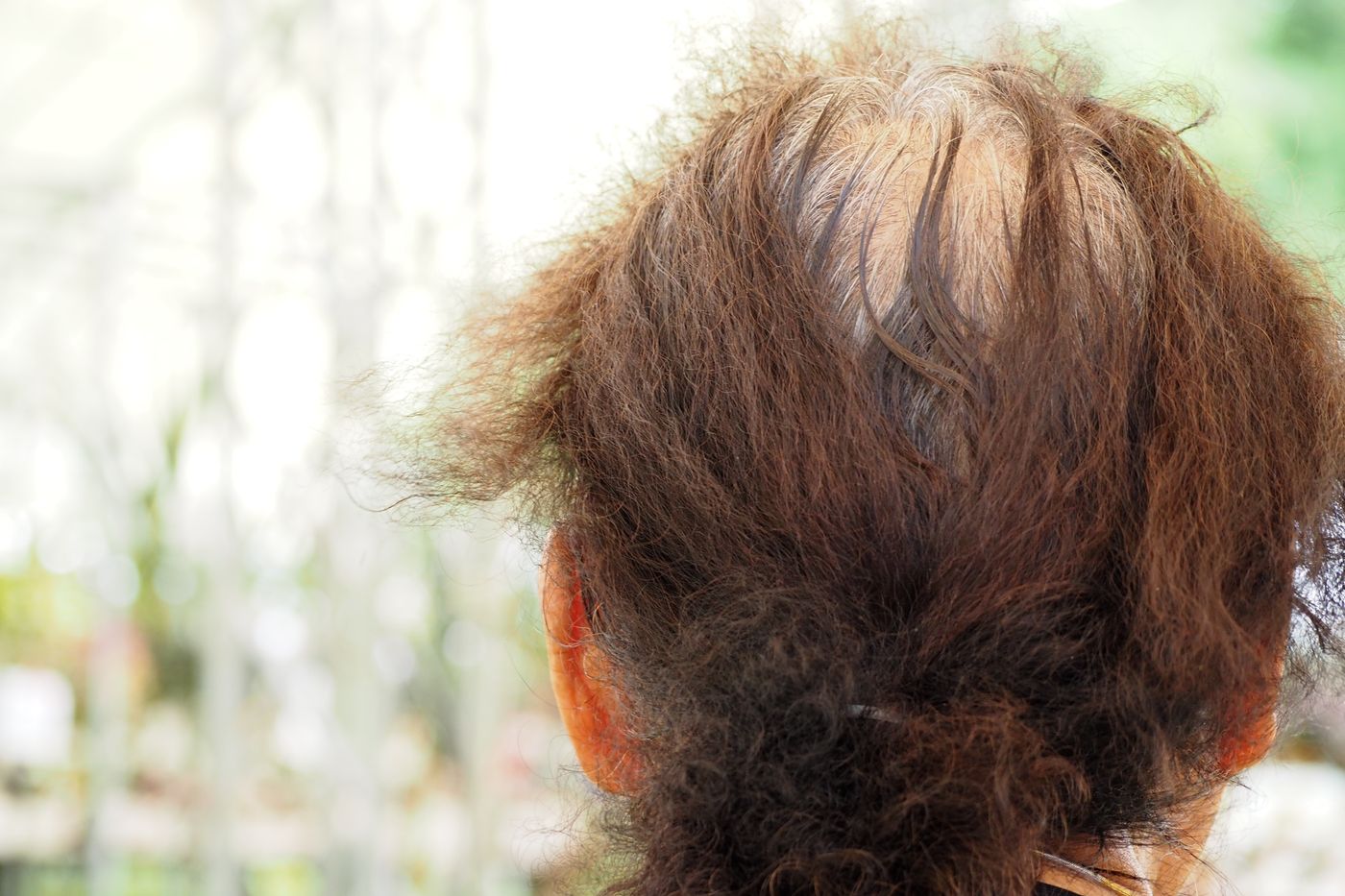
Two large international Phase 3 clinical trials published in JAMA Dermatology have found that a once-daily pill originally approved to treat rheumatoid arthritis produced dramatic hair regrowth in adults and adolescents with severe alopecia areata, an autoimmune condition in which the immune system attacks hair follicles and can cause complete loss of scalp, eyebrow, and body hair. The drug is upadacitinib, sold under the brand name Rinvoq and manufactured by AbbVie, and it belongs to a class of medications called JAK inhibitors that work by calming the overactive immune response responsible for destroying hair follicles. The two studies, known as UP-AA1 and UP-AA2, enrolled nearly 1,400 participants across 248 clinical sites in North America, Europe, and China, and were led by Dr. Arash Mostaghimi at Brigham and Women's Hospital in Boston. Participants had lost an average of 84 percent of their scalp hair before the trial began, and some had not seen any regrowth for at least six months. Within 24 weeks, approximately 55 percent of participants taking the higher 30-milligram dose had at least 80 percent of their scalp hair back, compared to just 3.4 percent of those on placebo, with similar results in both trials confirming the consistency of the effect.
The results that drew the most attention were the complete regrowth figures: up to 23 percent of participants in the higher-dose group achieved full scalp coverage, meaning every hair restored, within six months, a level of response that researchers described as among the most dramatic ever recorded in a clinical trial for this condition. The European Commission approved upadacitinib for severe alopecia areata in adolescents and adults in July 2026, and AbbVie submitted an application to the FDA for the same indication in April, with a regulatory decision potentially coming in early 2027. If approved in the United States, it would become the fourth JAK inhibitor cleared by the FDA for the condition, joining baricitinib, ritlecitinib, and deuruxolitinib. Spencer Kobren, founder of the American Hair Loss Association, called the results very encouraging and said that having another effective drug available to patients is certainly a good thing for a condition that has historically been difficult to treat reliably. For the millions of people living with alopecia areata, for whom the condition can profoundly affect confidence, social life, and mental health, the results offer something that has been in short supply for a very long time: a clear reason for optimism.