Engineers Invented A Battery Coating That Makes Button Batteries Safe For Children To Swallow.
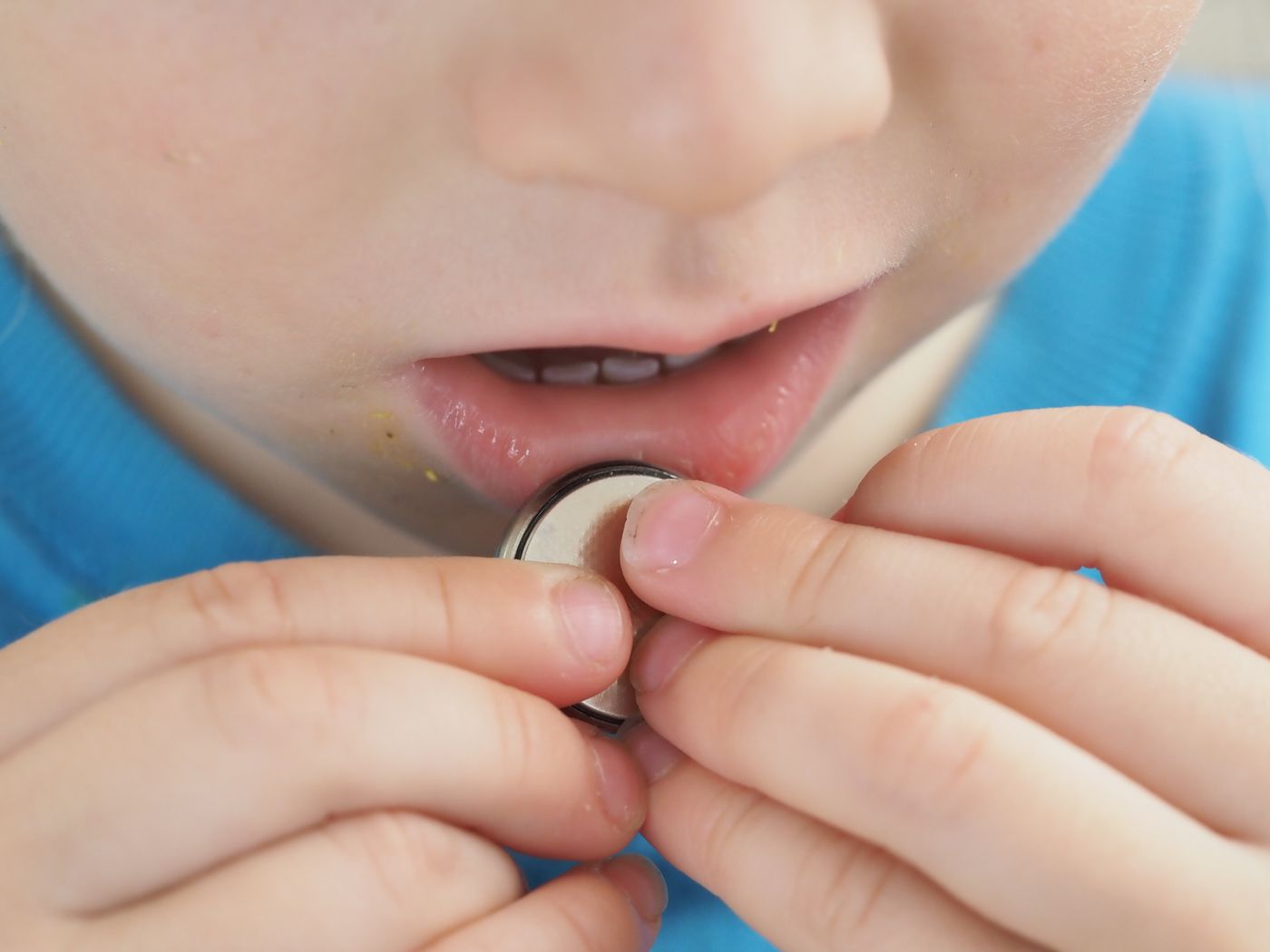
Button batteries, the small disc-shaped cells found in hearing aids, key fobs, remote controls, toys, and dozens of other household items, send thousands of children to emergency rooms every year and are linked to multiple fatalities. When swallowed, these batteries react with the moisture in the digestive tract to generate an electric current that produces hydroxide ions, highly corrosive compounds that can burn through the soft tissue of the esophagus and stomach within hours of ingestion. Symptoms are often delayed, and children who swallow a battery may not show obvious distress until serious damage has already occurred. A team of engineers and scientists at Brigham and Women's Hospital in Boston developed a solution by focusing on a specific physical difference between how button batteries behave inside a device and how they behave inside a body. Inside a device, the battery is under gentle but consistent pressure from the casing or contacts. That pressure does not exist when a battery is swallowed. The team applied this insight to a material called quantum tunneling composite, a rubber-like substance used in touchscreen technology that is normally an electrical insulator but becomes a conductor when pressure is applied, bringing its embedded metal particles close enough together to allow current to flow. By coating button batteries with a thin layer of QTC, the researchers created a battery that only activates when under mechanical pressure, as it would be inside a working device, and remains inert when the pressure is absent, as it would be inside a digestive tract.
The team tested the coated batteries in a pig model, comparing coated and uncoated batteries placed in the digestive systems of animals and examining the tissue afterward. Uncoated batteries produced burns and injuries consistent with the damage seen in human ingestion cases. Coated batteries caused no detectable harm. The QTC coating kept the batteries electrically inert throughout the test, preventing the hydroxide-generating reaction from occurring entirely. Jeff Karp, one of the lead engineers on the project, said the goal was to develop something that would render the battery inert specifically when it was outside of a device, and that the team was motivated by the absence of any prior innovation addressing this well-documented problem. The QTC material is inexpensive, waterproof, and already manufactured at scale for use in consumer electronics, making it feasible for battery manufacturers to adopt without requiring exotic materials or entirely new production infrastructure. The research team is working toward manufacturing processes that would allow the coated batteries to reach consumers. In the meantime, the standard safety advice for parents remains the same: keep loose button batteries locked away, check toys and devices regularly for unsecured battery compartments, and go immediately to an emergency room if ingestion is suspected without waiting for symptoms to develop. The coating is not yet commercially available. The research that will bring it to market is underway.
Source:https://techfixated.com/these-batteries-are-safe-for-children-to-swallow/