A Simple Liquid That Stops Cavities Without Drilling Or Needles May Be About To Get FDA Approval.
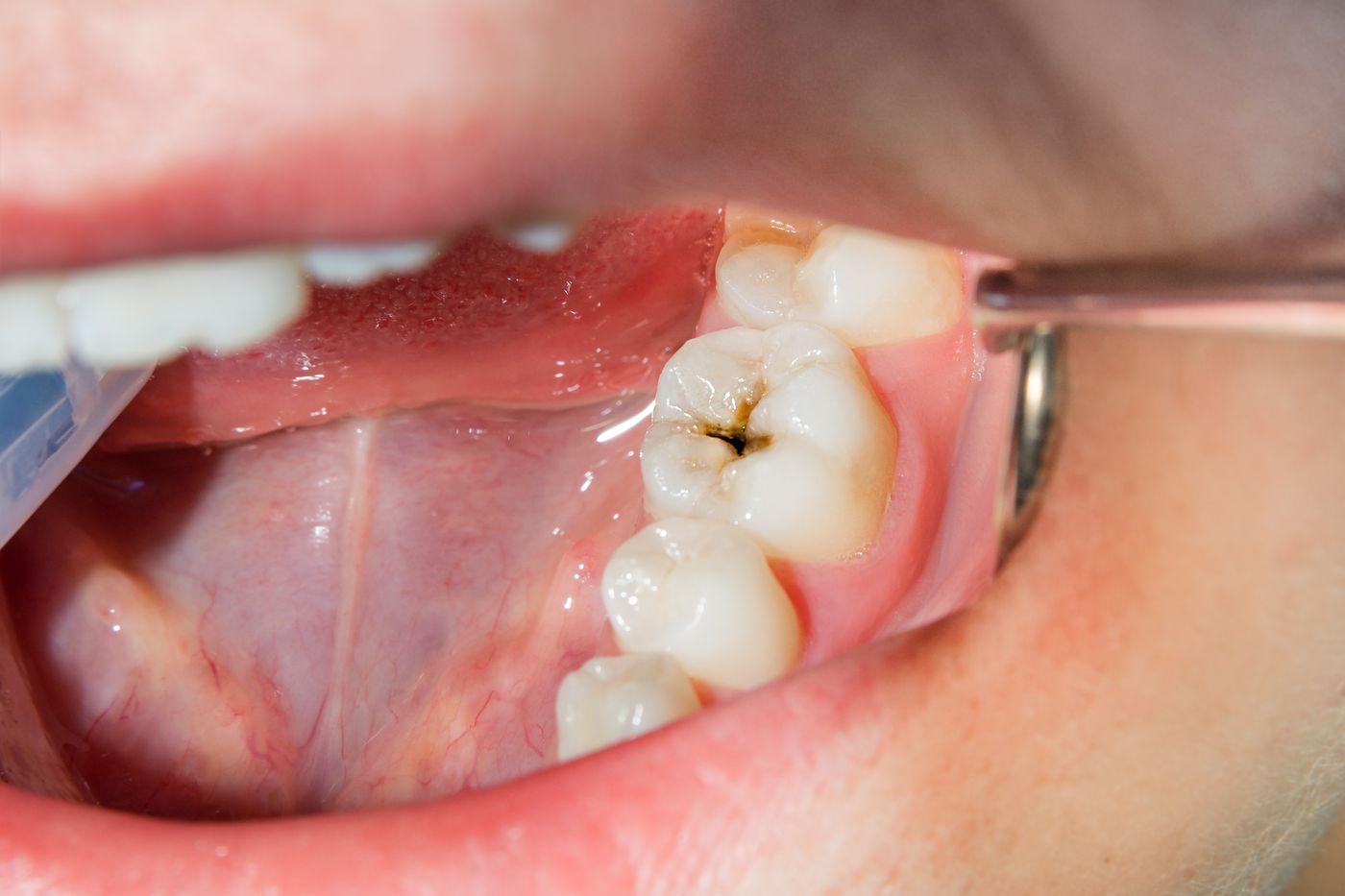
Every year, untreated tooth decay sends thousands of young US children to the emergency room for dental problems their doctors cannot treat, and many end up under general anesthesia — all for cavities that dentists in Japan, Australia, and dozens of other countries have been treating for decades with a simple liquid called silver diamine fluoride, or SDF. A dentist paints it onto a cavity with a tiny sponge-tipped applicator in a few seconds per tooth, with no drilling, needles, or sedation — it arrests the decay in place and stops it from progressing. SDF has been FDA-cleared in the United States since 2014, but only to treat tooth sensitivity, not cavities, because it lacked the large clinical trial data the FDA requires for formal drug approval. A University of Michigan-led Phase III trial published in JAMA Pediatrics has now produced that data, enrolling 830 children under age six and finding SDF arrested cavity progression in 54 percent of treated teeth at six months, versus 22.5 percent for placebo. The treatment was found safe even in one-year-olds. "Our results support FDA approval of SDF for managing tooth decay in young children," the lead researchers wrote.
The main drawback is cosmetic: SDF permanently darkens the decayed area of the tooth, turning it black, which is less of a concern for baby teeth that will eventually fall out anyway. The trial data will now be used by the manufacturer to formally apply for FDA drug approval as a cavity treatment, opening the door to consistent insurance reimbursement and wider deployment in school-based health settings — which researchers say could be transformative for children in communities with limited access to dental care. The drill has been dentistry's defining instrument for over a century. A small painted-on liquid may be about to change that.