
Illinois Just Gave Nearly 100,000 Uber And Lyft Drivers The Right To Unionize
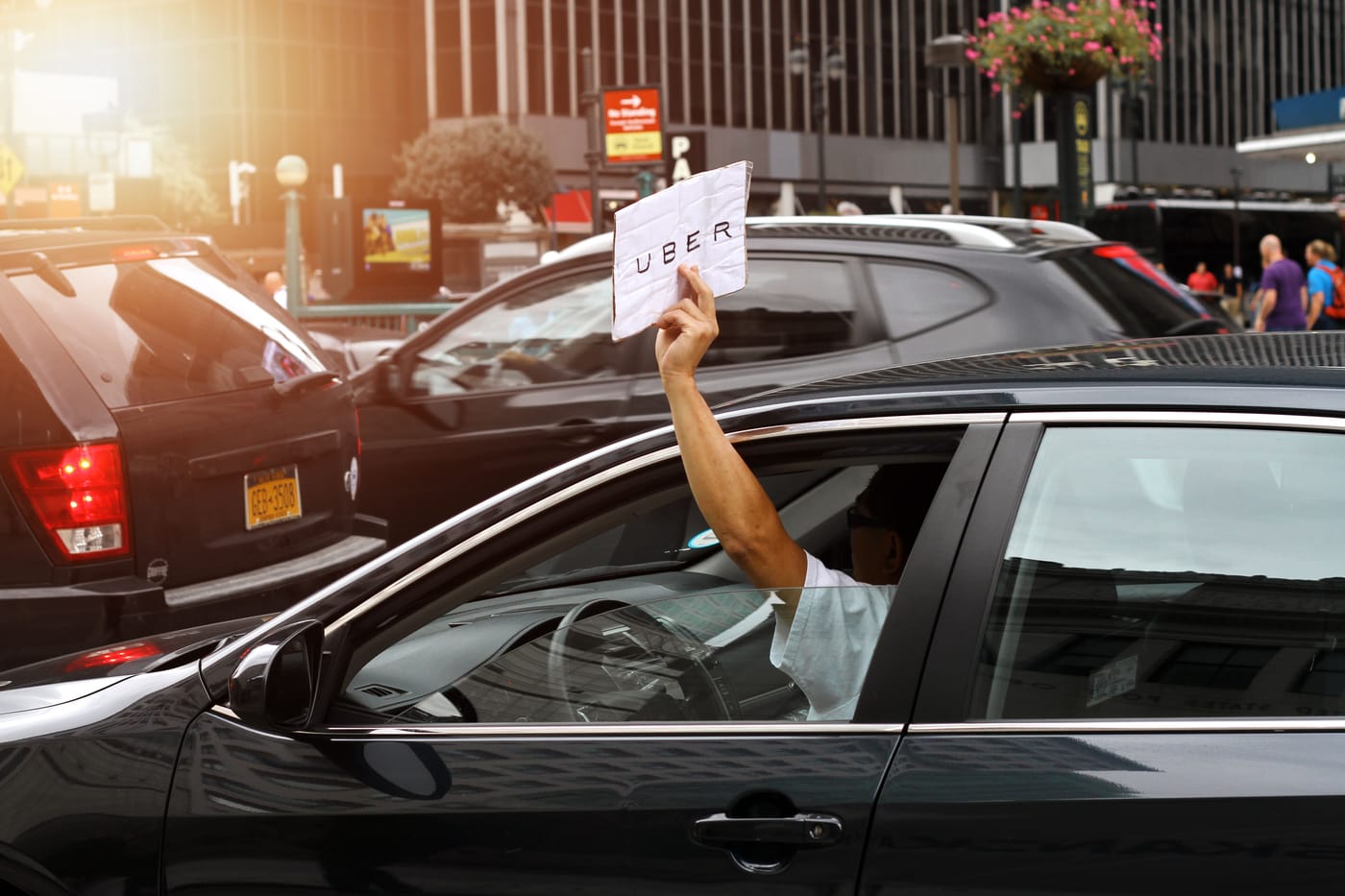
The Illinois legislature has passed a landmark bill that would allow nearly 100,000 Uber and Lyft drivers in the state to form a sector-wide union and engage in collective bargaining over pay, working conditions, and benefits, making Illinois one of only three states in the country to extend formal labor organizing rights to contract-based ride-share workers. The bill passed both chambers over the final days of the legislative session and now awaits Governor Pritzker's signature. The legislation covers app-based transportation network company drivers who work primarily in Illinois and establishes a legal framework for sector-wide bargaining, meaning rather than individual companies negotiating with individual workers, the law would allow drivers across Uber and Lyft to organize collectively under the same umbrella and negotiate as a unified group. Drivers and labor advocates who rallied outside the Capitol during the session said the bill represents the most significant step forward for gig worker rights in Illinois in years.
The push to organize ride-share drivers is part of a broader national reckoning over how labor law applies to the gig economy, where app-based platforms classify their workers as independent contractors rather than employees, a designation that has historically placed them outside the protections of traditional labor law including the right to collectively bargain, access employer-provided benefits, or form a union recognized under the National Labor Relations Act. Illinois's new bill works around that classification by creating a state-specific framework for sector bargaining that does not require drivers to be reclassified as employees, allowing them to organize without triggering the legal and financial consequences that reclassification would bring for the platforms themselves. Minnesota and Massachusetts have passed similar laws in recent years, and Illinois's version is being watched closely by labor advocates in other states who are tracking whether it can serve as a template for expanding gig worker protections beyond the handful of states that have acted so far. State Senator who championed the bill said it is about making sure that the people powering one of the most profitable industries in American cities have a voice in their own working lives.
Source:https://www.thecentersquare.com/illinois/article_08d0fa6a-5de5-4623-a366-25af58757fdb.html














