
A Fortune 100 Company Offered A Kentucky Family $26 Million For Their Farm, They Said No
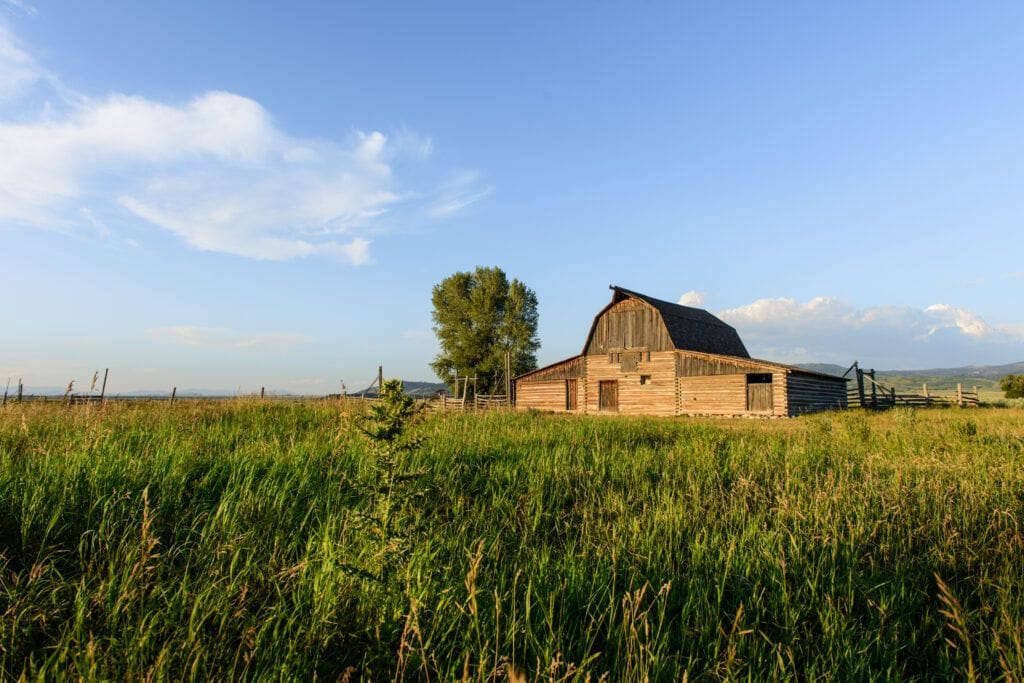
Last spring, representatives of an undisclosed Fortune 100 company knocked on the door of the Huddleston family's 1,200-acre cattle farm in Mason County, Kentucky, and made an offer for roughly 900 acres at approximately ten times the going rate for farmland in the county: $26 million. The family, which has worked the land for generations, raising cattle that end up on dinner tables across the region and harvesting wheat that helped sustain bread lines during the Depression, heard the offer and said no. The company, which local officials have described as a global top-ten firm with hundreds of thousands of employees planning a massive data center campus just outside the city of Maysville, has not been publicly identified. Non-disclosure agreements signed by town leaders have prevented residents from learning its name, and the secrecy has been as much a source of local frustration as the proposal itself. Sierra Club organizer Elisa Owen told local radio that residents deserve to know what is being planned for their own community.
Delsia Bare, who farms alongside her 82-year-old mother Ida Huddleston, described the heartbreak of imagining the land gone as a pain in the chest right where the heart is. When representatives pressed the economic case, pointing to more than 1,000 construction jobs and full-time positions averaging $100,000 per year, Bare said the family's concerns were not about the money but about the impact on water systems, the power grid, and what she described as the permanent destruction of fertile agricultural land. Her message was direct: stay and hold and feed a nation. Huddleston's response was blunter still. The family's refusal has become part of a broader story playing out across rural America, where farmers in Virginia, Indiana, and Texas are similarly pushing back against a wave of hyperscale data center development that critics say is arriving without adequate oversight or transparency, purchasing land at prices that distort local markets even for families who hold firm. The Mason County Fiscal Court ultimately approved zoning for the project, and legal challenges are ongoing, but the Huddleston family has made its position clear and has not changed it.














