New 3D Printed Dentures Are Giving Americans Their Smiles Back
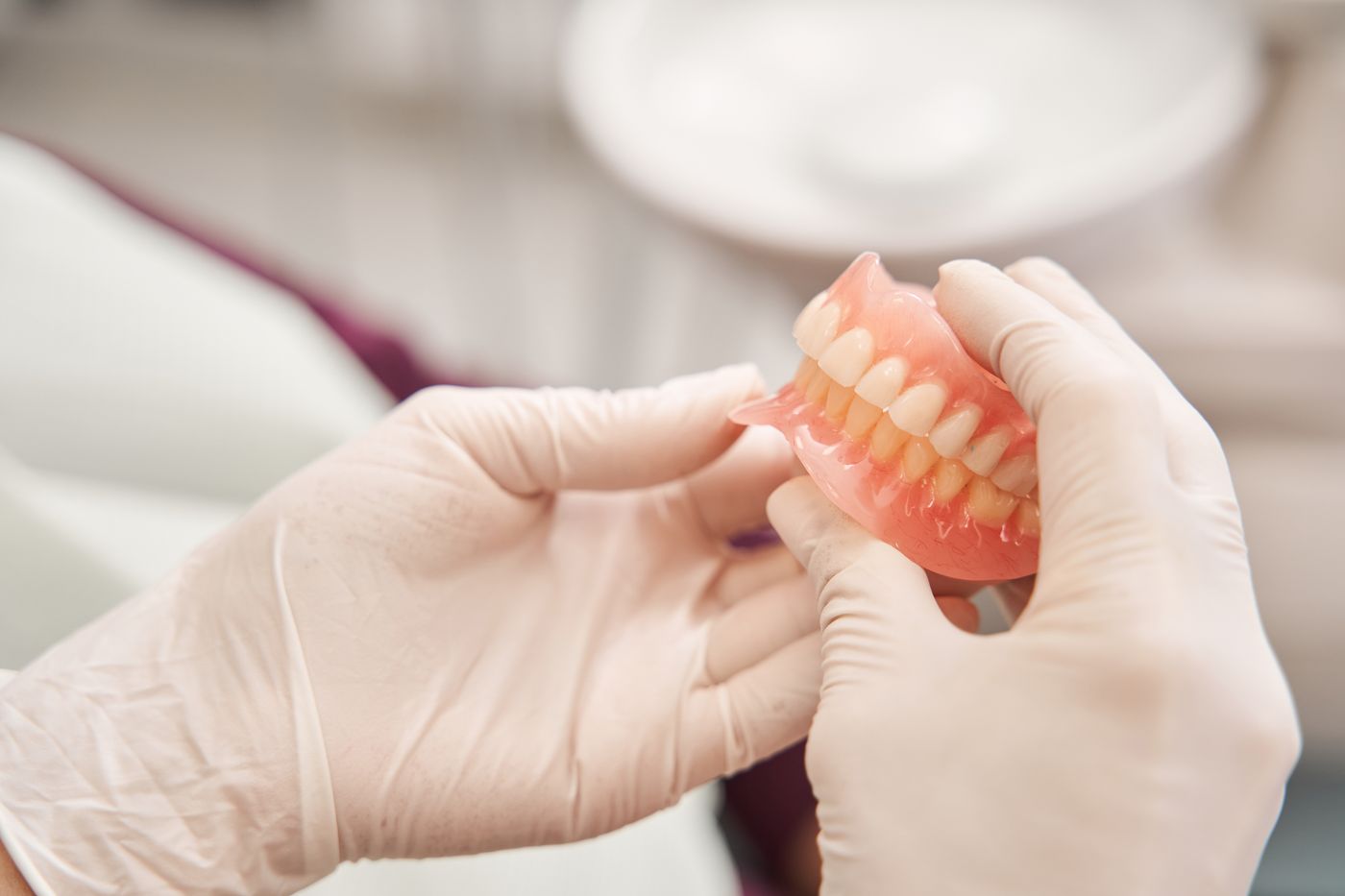
Connor Gibson was a community college student in Tennessee when he first started volunteering at Remote Area Medical, a nonprofit founded in 1985 that provides free medical, dental, and vision care to underserved communities across the United States. He knew nothing about dentistry and nothing about 3D printing. What he did know was that the way RAM was producing dentures, through a traditional process requiring multiple visits, physical molds, and weeks or months of waiting, was too slow for the people waiting for them. Missing teeth are not simply a cosmetic issue: they affect a person's ability to eat, speak clearly, and feel confident enough to interview for a job. Research cited by RAM found that 28 percent of American adults say the appearance of their teeth has negatively affected their ability to interview for work, and approximately 72 million Americans have no dental insurance. Medicare, the federal program for people over 65, does not cover dentures. Gibson decided to teach himself everything he needed to know to fix the problem. He learned dental anatomy from scratch, learned 3D printing, and developed what is now believed to be the first mobile denture lab in the United States.
The Mobile Digital Denture Lab converts patient images into digital files, which Gibson uses to design custom dentures before printing them on-site. The turnaround time collapsed from up to three months to a single clinic weekend. RAM now plans to expand from one mobile dental unit to a fleet of three, producing more than 100 dentures per clinic, after a 60 Minutes segment on Gibson's work prompted a 3D printer manufacturer to donate newer machines and a wave of additional volunteer sign-ups. Chris Hall, RAM's CEO, told CNN that Gibson self-taught the majority of the dental anatomy and the terms and vocabulary of the dental industry to move the project forward, and described watching him learn as remarkable. Gibson said that if you had told him three years earlier that this was what he would be doing, he would have called you crazy. He is now 22 years old and serves as RAM's dental technology manager. He has described the moments when a newly fitted patient looks into a mirror for the first time as the part of the work that makes everything else make sense. He has seen burly men with tattoos weep. You are, he told CNN, all one slip or one fall away from needing two teeth in the front to be able to smile again, which is why he keeps going to clinic weekends and why, when he is there, he makes sure the wait is measured in hours and not months.