Scientists Coated Strawberries In Seaweed And They Lasted Twice As Long
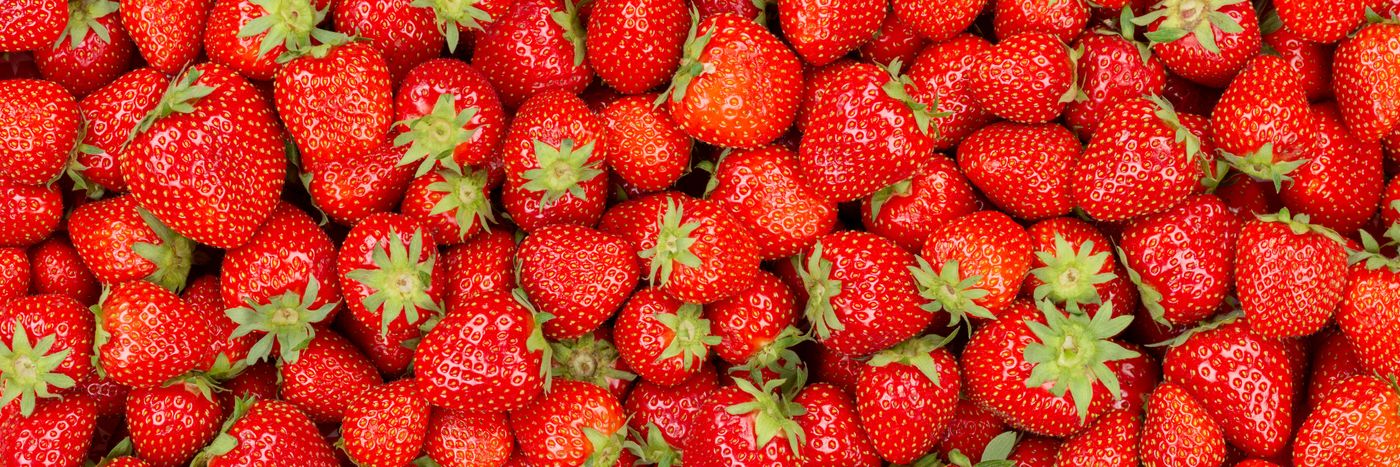
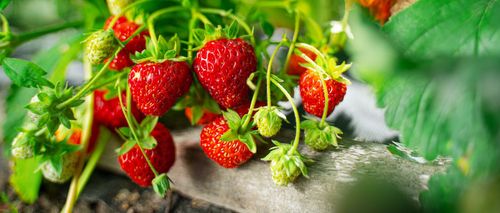
Researchers at the University of British Columbia have developed a clear, edible coating made from agar, a natural substance derived from red seaweed already widely used as a vegan alternative to gelatine, that doubled the shelf life of strawberries at room temperature in laboratory tests. The coating, developed by a team led by Dr. Tianxi Yang and published in the Journal of Agricultural and Food Chemistry, is made by combining agar with zinc, an essential nutrient, and tannic acid, a natural compound found in grapes and tea. Together the ingredients form a thin, invisible protective layer around the fruit that reduces moisture loss and resists the mould and bacteria that typically cause berries to spoil. In tests, coated strawberries stayed fresh for at least four days at room temperature without developing mould, while uncoated strawberries began to deteriorate within two. When refrigerated, coated fruit stayed fresh for at least six days while untreated berries spoiled much sooner. For anyone who would prefer not to eat the coating, the team found it can simply be washed away under running water in a couple of minutes.
Dr. Yang described the goal as finding a simple alternative to cold storage, noting that once the coating was applied the fruit became far less sensitive to changes in temperature and moisture. The coating also demonstrated antibacterial properties and showed no signs of toxicity during laboratory testing. The team extended their tests beyond strawberries, applying the same coating to grapes and apple slices and finding similar improvements in freshness across all three, suggesting the approach is not limited to a single type of fruit. Researchers believe the discovery could meaningfully reduce food waste at multiple points in the supply chain: large volumes of fresh produce are lost every year during storage and transport before they ever reach a consumer, and refrigeration adds significant energy costs and carbon emissions throughout. The seaweed coating offers the possibility of extending freshness with a lower environmental footprint than constant cold storage. The team says they are now exploring how the coating could be adapted for use on additional fruits and vegetables, with the goal of eventually introducing it commercially.