
Stonehenge Explained: Science Answers How Those Massive Stones Got There
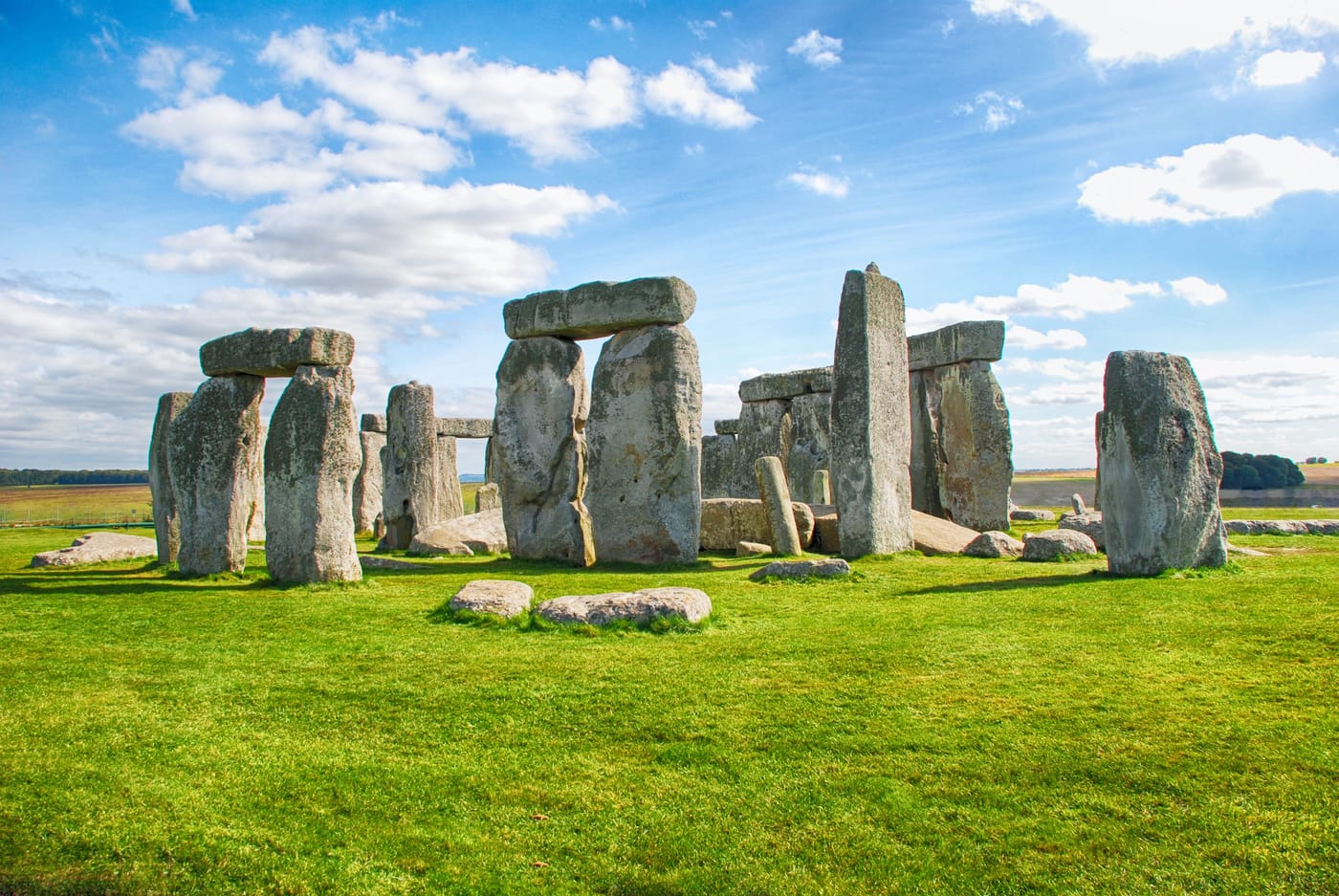
For thousands of years people have stared at Stonehenge and asked the same question: how did enormous stones weighing up to 25 tons get from Wales and Scotland to a chalk plain in southern England without any of the machinery that would make such a task even conceivable today? Two competing theories have dominated the debate for decades, one arguing that ancient humans moved the stones deliberately using sledges, ropes, and boats over hundreds of miles, and the other suggesting that massive glaciers during the last Ice Age did the heavy lifting for them, depositing the rocks close enough to Salisbury Plain that early builders simply used what was already there. Researchers at Curtin University in Australia have now settled the argument, publishing a study in the journal Communications Earth and Environment that analyzed more than 700 microscopic zircon and apatite mineral grains from river sediments collected around Stonehenge and found absolutely no trace of the Welsh or Scottish mineral signatures that glacial transport would have inevitably left behind. The verdict from the grains, as the lead author put it, is clear: the ice almost certainly never came this far south.
The method the team used is elegant in its logic. Zircon is one of the toughest minerals on Earth, able to survive being weathered, buried, and recycled over millions of years while retaining a radioactive clock inside it that records exactly when and where it formed. If glaciers had carried Stonehenge's bluestones from Wales or its Altar Stone from Scotland all the way to Salisbury Plain, those rivers would still contain mineral grains with ages matching those distant geological regions. Instead, every grain the team found matched the local geology of southern England, meaning no glacial material ever passed through, and the glacial transport theory is not just unlikely but effectively ruled out. Dr. Anthony Clarke, the study's lead author, acknowledged that how humans actually moved the stones remains an open and possibly unanswerable question, with theories ranging from sailing them around the coast to rolling them over logs, but said the study at least removes any remaining doubt about who was responsible. The megaliths were chosen deliberately, transported deliberately, and placed deliberately, by people who were, as the evidence now confirms, entirely on their own.














