Hungary Just Became The Last EU Country To Ban Wild Animals From The Circus
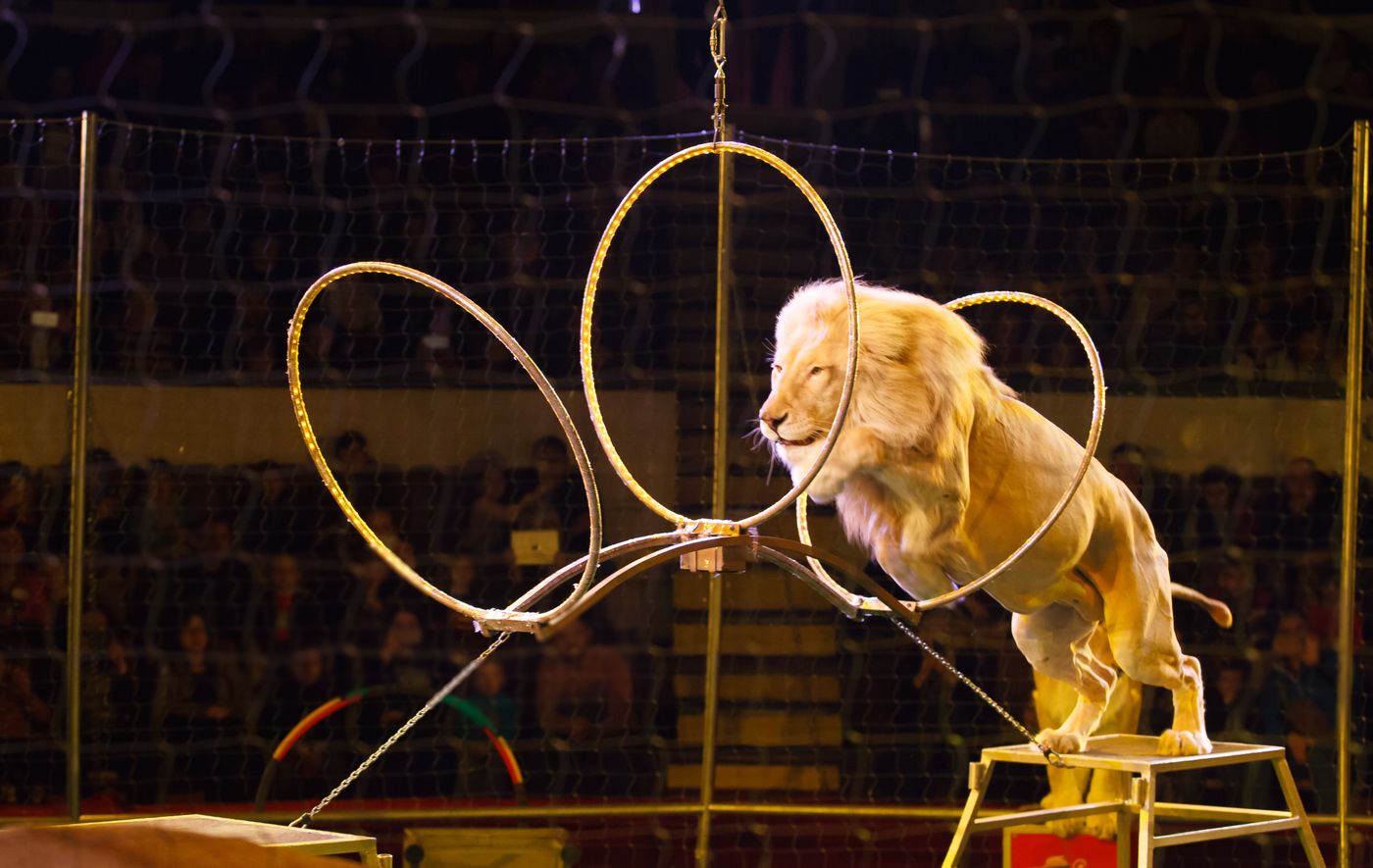
Hungary published Government Decree 124/2026 in the Hungarian Gazette on August 13, officially banning the use of wild animals in circus performances effective January 1, 2027, and making Hungary the last of the European Union's 27 member states to align with what has become a bloc-wide trend. The decree is comprehensive: from next year, circuses will be prohibited from acquiring, breeding, keeping, training, displaying, or using 25 groups of wild animals, including elephants, primates, lions, tigers, bears, giraffes, hippopotamuses, rhinoceroses, seals, kangaroos, red pandas, birds of prey, and reptiles classified as dangerous. The rules extend to hybrids up to the fourth generation. Domestic animals including horses, dogs, cats, donkeys, and pigs remain exempt. Wild circus animals currently held legally on January 1, 2027 may remain at their locations for the rest of their natural lives, but their performing, breeding, and training days are over. Government spokesperson Éva Magyar said the decree responds to strengthening public and animal welfare expectations and reflects the clear European trend toward ending the exploitation of wild species for entertainment.
The new law also closes a loophole that animal welfare advocates had long identified as Hungary's most significant gap. Because Hungary previously maintained only partial restrictions, foreign circuses could bring animals into the country after facing stricter regulations elsewhere, effectively using Hungary as a workaround for bans they could no longer operate around at home. The new decree eliminates that option entirely. The last wild animal still performing in a Hungarian circus ring is reportedly an Indian elephant named Szandra, held by the Hungarian National Circus. The director of that circus, József Richter Jr., has already indicated they would welcome Szandra to the Richter Safari Park in Nagykőrös, where the circus transitioned its own animals out of active performance work as early as 2022. Raul Vida, CEO of Empathy Story and a Forbes 30 Under 30 animal advocate, said in a statement that the ban marks a long-awaited step forward and reflects decades of work by advocates and civil society groups. With Hungary's adoption of the decree, 24 of the EU's 27 member states now maintain some form of national restriction on circus animals, and all 27 have now taken formal action.
Source:https://hungarytoday.hu/wild-animals-to-be-banned-from-circus-performances-in-2027/