
UChicago Just Made Tuition Free For Most American Families
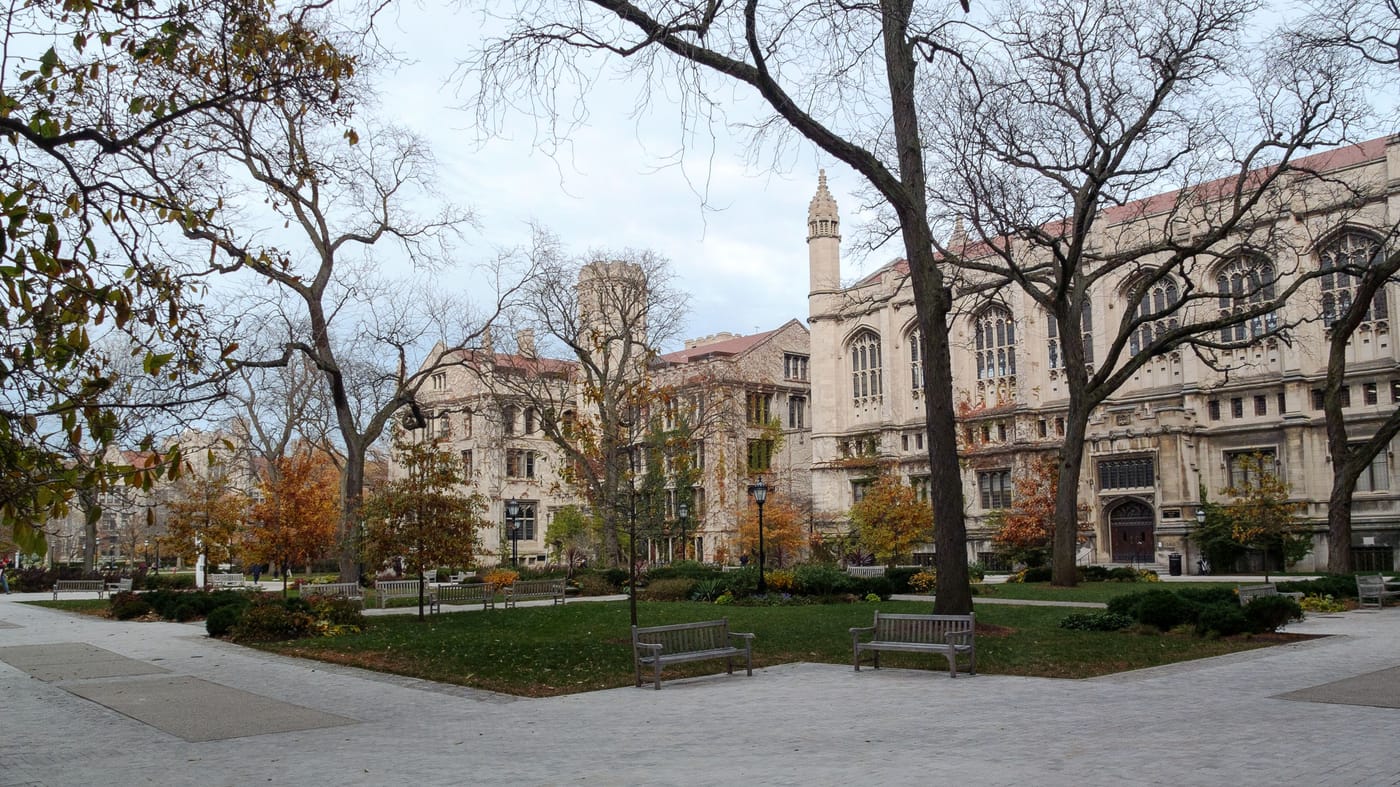
The University of Chicago announced this week that starting in Autumn 2027, undergraduate students from families earning less than $250,000 per year will pay no tuition, in one of the most expansive affordability commitments any elite American research university has ever made. For families earning less than $125,000 annually, the coverage goes further still, with UChicago also covering housing, meals, and fees in full, meaning the cost of attending one of the country's most academically rigorous universities would effectively be zero. The university already provides more than $225 million in annual financial aid and has never required students to take out loans to meet their demonstrated financial need, but this new initiative dramatically raises the income threshold at which families qualify for free tuition, moving it well into what most Americans would consider a middle-class salary. UChicago President Paul Alivisatos said the initiative is designed to ensure that the brightest minds can join the university regardless of what their family's finances look like.
The announcement is part of a broader push by the university to reduce the complexity and unpredictability of college financing, which the Dean of Admissions described as a source of real anxiety for families trying to plan years in advance. The new aid structure is designed so that families know exactly where they stand from the moment they apply rather than waiting to see what a financial aid package might look like. UChicago currently places students in more than 5,000 paid internships annually and reports that 98 percent of the Class of 2025 received offers for employment, graduate school, or other opportunities after graduation, making the value of the degree well established. The university has also built peer-leading outreach programs for first-generation students, veterans, and students from rural and small-town backgrounds, and says this tuition initiative will significantly expand access to all of those populations by removing the cost barrier that had previously kept many qualified students from applying.














