
Vietnam Police Rescued 500 Stolen Cats From A Crime Ring.
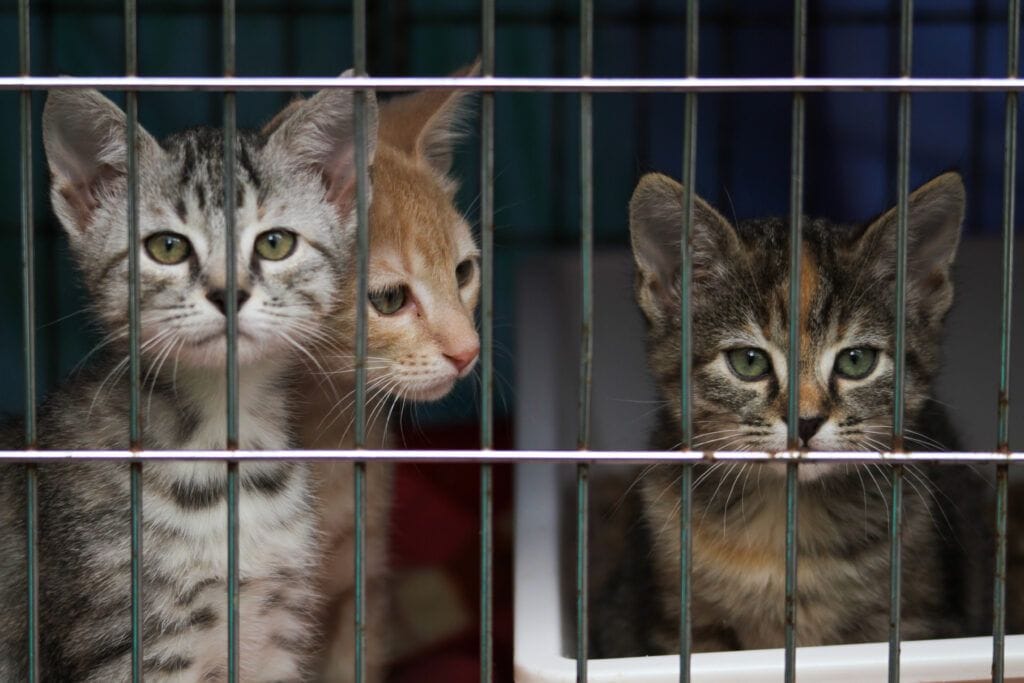
Police in Ho Chi Minh City dismantled one of the largest cat theft operations in Vietnamese history last week, seizing more than 500 cats following an investigation into a wave of pet disappearances across southern Vietnam and detaining nine individuals connected to a network that had been trapping, collecting, and selling cats for the meat trade for three years. Officers discovered 45 cages containing approximately 400 live cats and four ice-filled containers holding around 80 dead ones, with another 21 living cats found at a separate location. The suspects had operated across Ho Chi Minh City and the cities of Tay Ninh and An Giang, and admitted to police that the network had been active since 2023. Animal welfare groups described the bust as one of the most significant enforcement actions against the cat meat trade in Vietnam in recent years, though they also noted that the scale of what was found illustrates how large the trade remains, with thousands of cats believed to be stolen and trafficked for meat in the country every month.
In the days following the seizure, veterinarians and volunteers from Vietnam Cat Welfare and Humane World for Animals worked around the clock to treat the surviving cats, many of whom were in poor condition from the circumstances in which they were found. Families from across the city came forward to look for their missing pets, and Chris Gindelhumer of Vietnam Cat Welfare said he saw quite a lot of tears in the last few days, describing it as both beautiful and heartbreaking: beautiful because so many Vietnamese families came looking, heartbreaking because many arrived and did not find the cat they were searching for. More than 40 cats were reunited with their owners. Karanvir Kukreja of Humane World for Animals, who leads the nonprofit's campaign against the dog and cat meat trade, called the operation a sobering reminder of the enormous scale of Vietnam's cat meat trade and said it underscores why sustained enforcement and cultural change are both necessary. Over 260 cats remain in the care of animal welfare organizations while longer-term placements are arranged.














