300,000 Women Got The Morning-After Pill Free From A Pharmacy In England
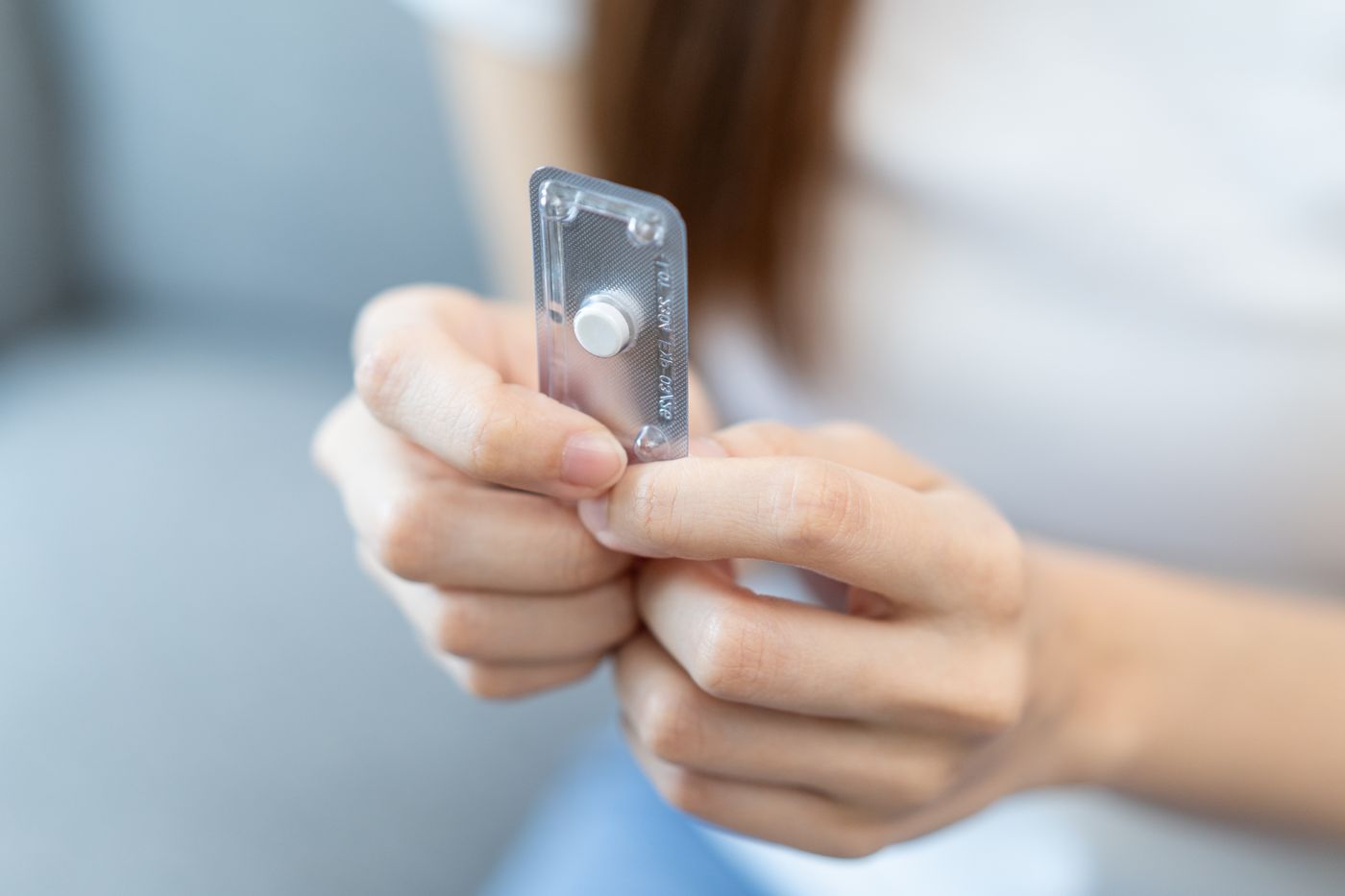
A new NHS pharmacy service launched in England in October 2025 has already provided emergency contraception to nearly 305,000 women in its first six months, according to figures published in late July 2026, marking a significant shift in how women in England access morning-after pills. Before the scheme began, women who needed emergency contraception through the NHS were required to book an appointment with a GP, a sexual health clinic, or a pharmacy before they could obtain it. Many could also access it privately at a cost. Under the new service, women can walk into any participating pharmacy, have a confidential consultation with a pharmacist or trained pharmacy technician on the same day, and receive the medication for free without any prior appointment. In 2024/25, the entire year of NHS prescriptions for the morning-after pill totalled around 150,000 doses. The first six months under the new system more than doubled that figure, suggesting that the previous appointment requirement was a meaningful barrier for large numbers of women, particularly those in more deprived communities where GP access is more constrained and travel to a sexual health clinic is less straightforward.
The scheme's impact extended beyond emergency contraception itself. In the twelve months to February 2026, the number of women consulting pharmacists about starting the regular oral contraceptive pill more than doubled, rising from around 50,000 to more than 115,000, suggesting that the conversations women are now having at pharmacies are opening doors to broader contraceptive care. All pharmacists and pharmacy technicians delivering the service have received specialist training in emergency contraception and wider contraceptive counselling. Dr. Sue Mann, NHS National Clinical Director for Women's Health, described the service as a major step forward, noting that it operates with no appointment, no waiting, and no judgement, and that it is already making a particular impact for women in more deprived communities by making contraception easier to access closer to home. The government said the scheme was designed to end what it described as unfair barriers and a postcode lottery in which access had previously varied dramatically depending on where in England a woman happened to live. Women can search online to find their nearest participating pharmacy. The morning-after pill remains available privately as well, alongside the option of visiting a doctor or nurse for an intrauterine device fitting, which can prevent pregnancy when used within five days of unprotected sex.