30 Beluga Whales Stranded At A Closed Theme Park For Two Years Are Finally Going Home
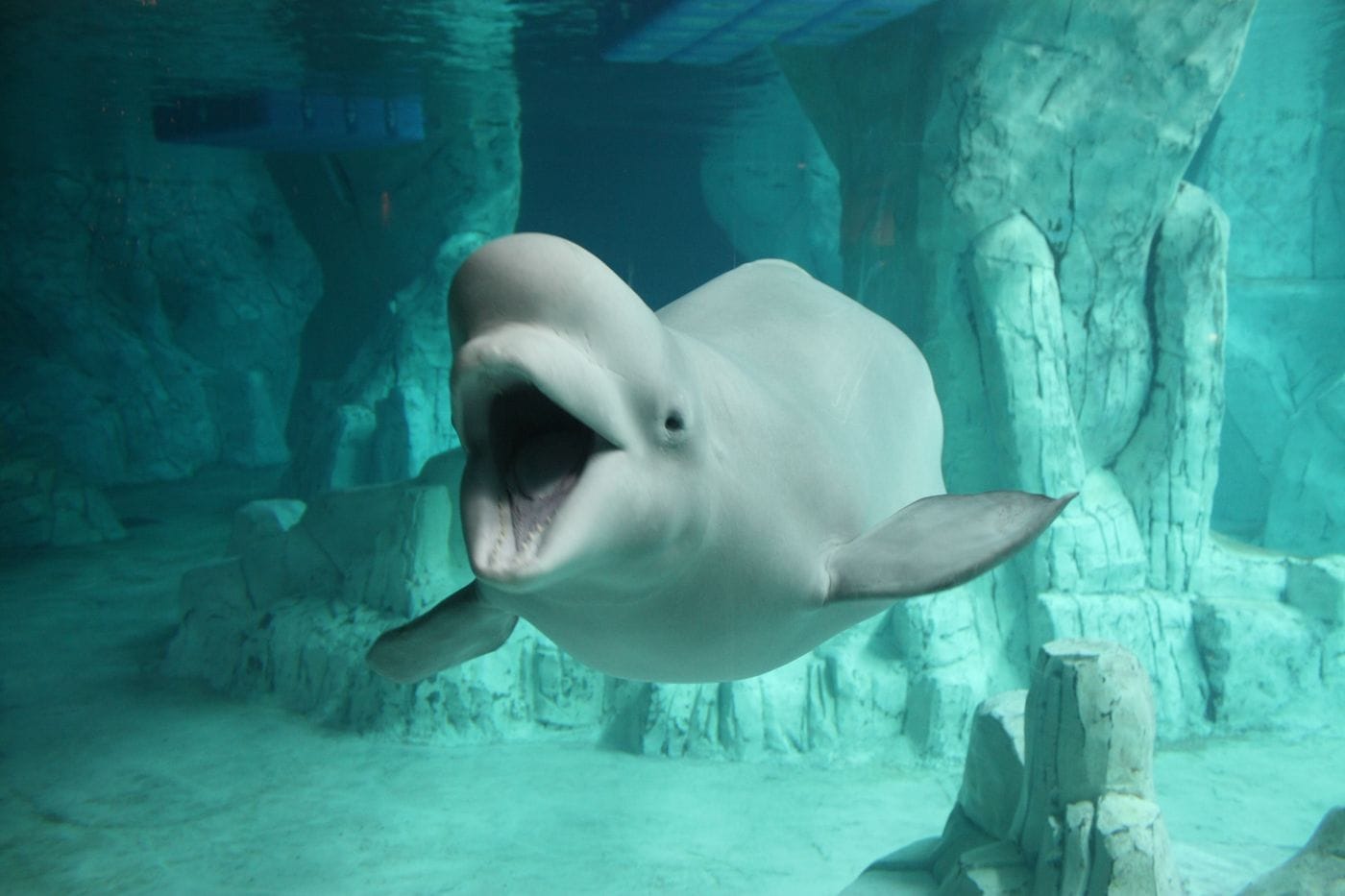
Marineland, once one of Canada's largest marine theme parks, closed to the public in 2024 after financial difficulties and mounting accusations of failing to properly care for its animals. When it closed, 30 beluga whales were left behind, stranded in its tanks with no plan, no timeline, and a warning from the park's operators that the animals might have to be euthanized if the Canadian government did not intervene. Twenty whales had already died at Marineland between 2019 and 2024, and the condition of the remaining 30 raised urgent concerns among animal welfare organizations across North America. The park attempted to transfer the belugas to Chimelong Ocean Kingdom in China, but the Canadian government refused, citing a 2019 law making it illegal to keep cetaceans in captivity for entertainment purposes and raising concerns about animal welfare in that environment. The whales remained in the closed park's tanks, waiting.
In June 2026, Canada's Department of Fisheries and Oceans approved a new international rescue plan, and the United States government granted the permits needed to receive the animals. SeaWorld San Antonio, SeaWorld San Diego, Shedd Aquarium in Chicago, Georgia Aquarium in Atlanta, and Oceanografic Valencia in Spain are collectively taking in all 30 whales, with 28 going to American facilities and 2 going to Spain. Mystic Aquarium in Connecticut is assisting with the logistics of the rescue operation but is not taking any whales for itself. NOAA described the transfer as a rescue effort that would take several weeks to mobilize and complete, prioritizing the comfort and safety of the animals throughout. Once Canadian veterinarians cleared the belugas for travel, aquarium experts were to accompany each animal to its new home, where the facilities have prepared diverse seafood diets, high-quality water environments, and on-site medical care. Beluga whales are among the most social and vocal of all cetacean species, known for their communication abilities and their capacity to develop bonds with the people who care for them. After two years in a shuttered park, these 30 will have both.