Your Cat Ages Just Like You And It Could Help Us Beat Alzheimer's.
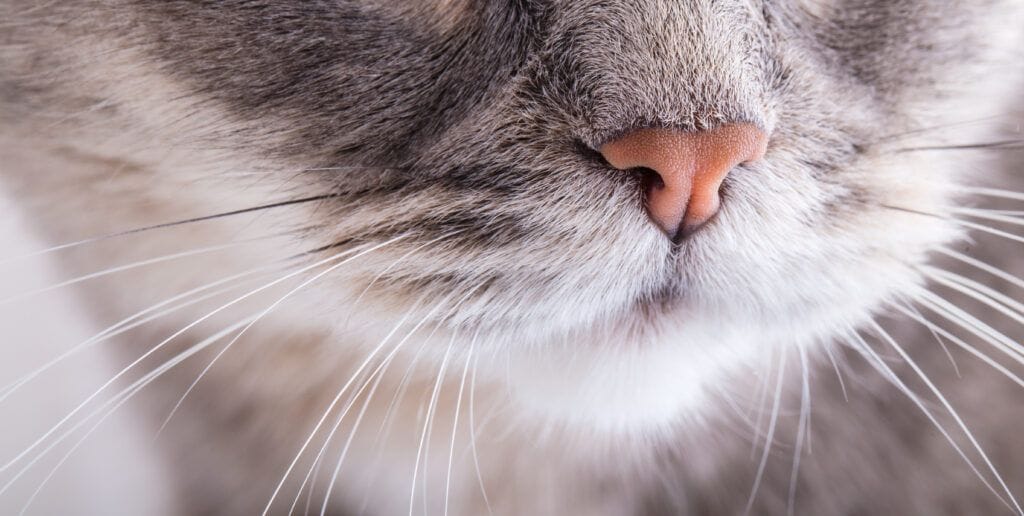
A new study published in the journal Biology Open has found that domestic cats age along a biological timeline that tracks closely with humans, analyzing 3,754 data points drawn from brain scans, blood chemistry, disease patterns, and developmental milestones across cats, humans, and other mammals to build the most detailed cross-species aging comparison yet attempted. The research team, led by Brier Rigby Dames from the University of Bath and collaborators from the UK, US, and France, found that as cats grow old, their brains shrink in the same pattern as human brains, the ventricles expand in the same way, specific brain structures including the tissue bridge linking the two halves of the thalamus shift in the same sequence, and routine blood markers rise and fall on a schedule that mirrors human aging with striking consistency. The team's model also shows that aging does not move at a steady pace in either species but accelerates and decelerates at specific life stages, which is why the popular rule of one cat year equaling seven human years has always been wrong and why a more biological approach to the comparison tells a different story.
The parallel runs deeper than brain structure. Older cats develop cataracts, stiff joints, and the same amyloid-beta protein deposits in their brains that are one of the defining hallmarks of Alzheimer's disease in humans, and a separate 2025 study from the University of Edinburgh found that those deposits accumulate at the synapses between brain cells in cats with dementia, causing a cascade of damage that mirrors what happens in the human disease. The significance of this overlap is practical as well as scientific: there are an estimated 600 million cats on Earth, many living with their owners as companions whose health histories are closely monitored, and the oldest cats have reached nearly 30 years of age, making them one of the few animals that live long enough to develop the kinds of late-life brain changes that scientists most want to study. Dames said the findings create meaningful opportunities to develop large-scale veterinary health databases for companion animals, analogous to human databases like the UK Biobank, and that those resources could dramatically improve the ability to study aging and neurological disease using real-world data collected across species, with benefits for both cats and the humans trying to understand what happens to a brain over a lifetime.
Source:https://www.earth.com/news/aging-cats-may-hold-clues-to-human-brain-diseases/