
This Tiny Cold Squirrel Could Change Medicine
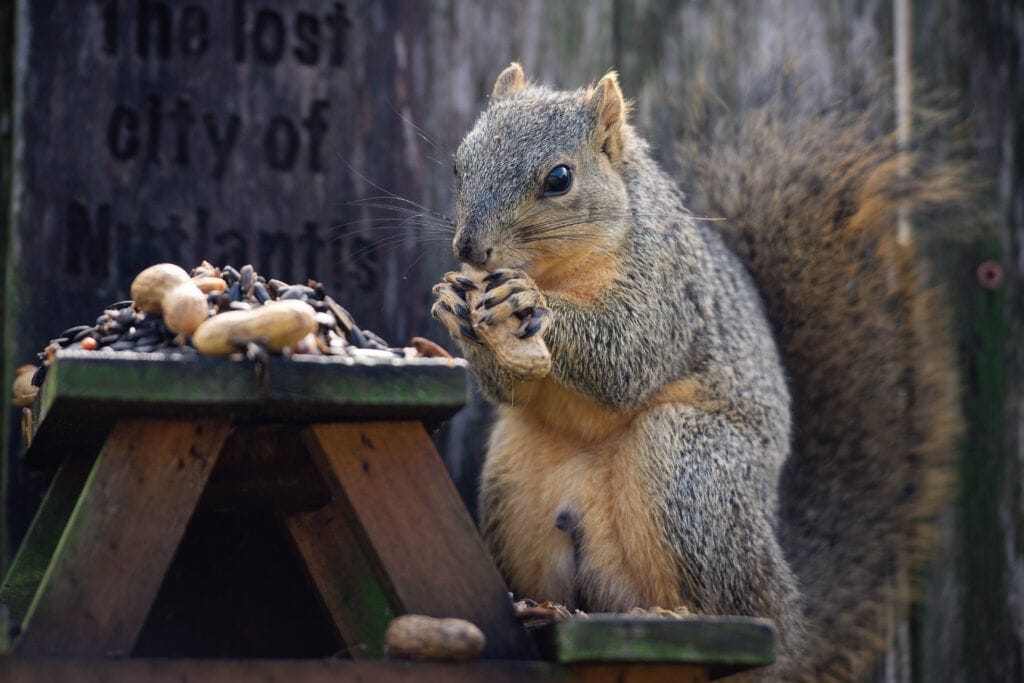
Every autumn, the Arctic ground squirrel does something that by the rules of mammalian biology should not be possible: it cools its body temperature to below freezing, its heart stops beating for weeks at a time, its brain enters a state that would be classified as severe ischemia in a human patient, and in spring it wakes up with no cardiac damage, no brain damage, and no detectable neurological deficit, ready to sprint across the tundra as if nothing happened. Biologist Kelly Drew at the University of Alaska Fairbanks has been studying this phenomenon for more than 20 years and believes it holds the key to one of emergency medicine's most stubborn problems: protecting the human brain during the critical hours after a stroke, a cardiac arrest, or a traumatic brain injury, when cells that could be saved are instead dying from oxygen deprivation faster than any existing treatment can stop them. Doctors have known for decades that cooling the body slows brain damage, but the current methods, packing patients in ice or using catheters to circulate cold fluid through the bloodstream, are painful, difficult to apply to conscious patients, and imprecise in a way that limits their clinical use.
What Drew's team has been developing is a drug that triggers the same biological mechanism the Arctic ground squirrel uses to lower its own body temperature, targeting adenosine A-1 receptors in the brain that regulate metabolic rate and core temperature. When these receptors are activated, the squirrel's thermostat turns down without any external intervention, stress response, or cold stimulus, the animal simply cools from within on a biological schedule it has been running for millions of years. The same receptor mechanism exists in the human brain, and Drew's drug has shown promising results in rats and pigs, reducing brain injury in models of stroke and cardiac arrest. The potential applications extend well beyond the hospital setting: in rural Alaska, a stroke or trauma patient may be hours from the nearest surgical facility by air, and a drug that could safely slow brain damage during that window would represent a genuine breakthrough in survival and outcome. Drew notes that cooling and rewarming the brain also appears to promote synaptic regeneration and neuroplasticity, suggesting applications beyond emergency care in Alzheimer's and other neurodegenerative conditions. The drug is still working through the FDA approval process, but researchers say it could be one of the most significant ideas to emerge from studying hibernation biology, and it all started with a tiny squirrel that refuses to follow the rules.














