Science Figured Out What Actually Happens When You Crack Your Knuckles
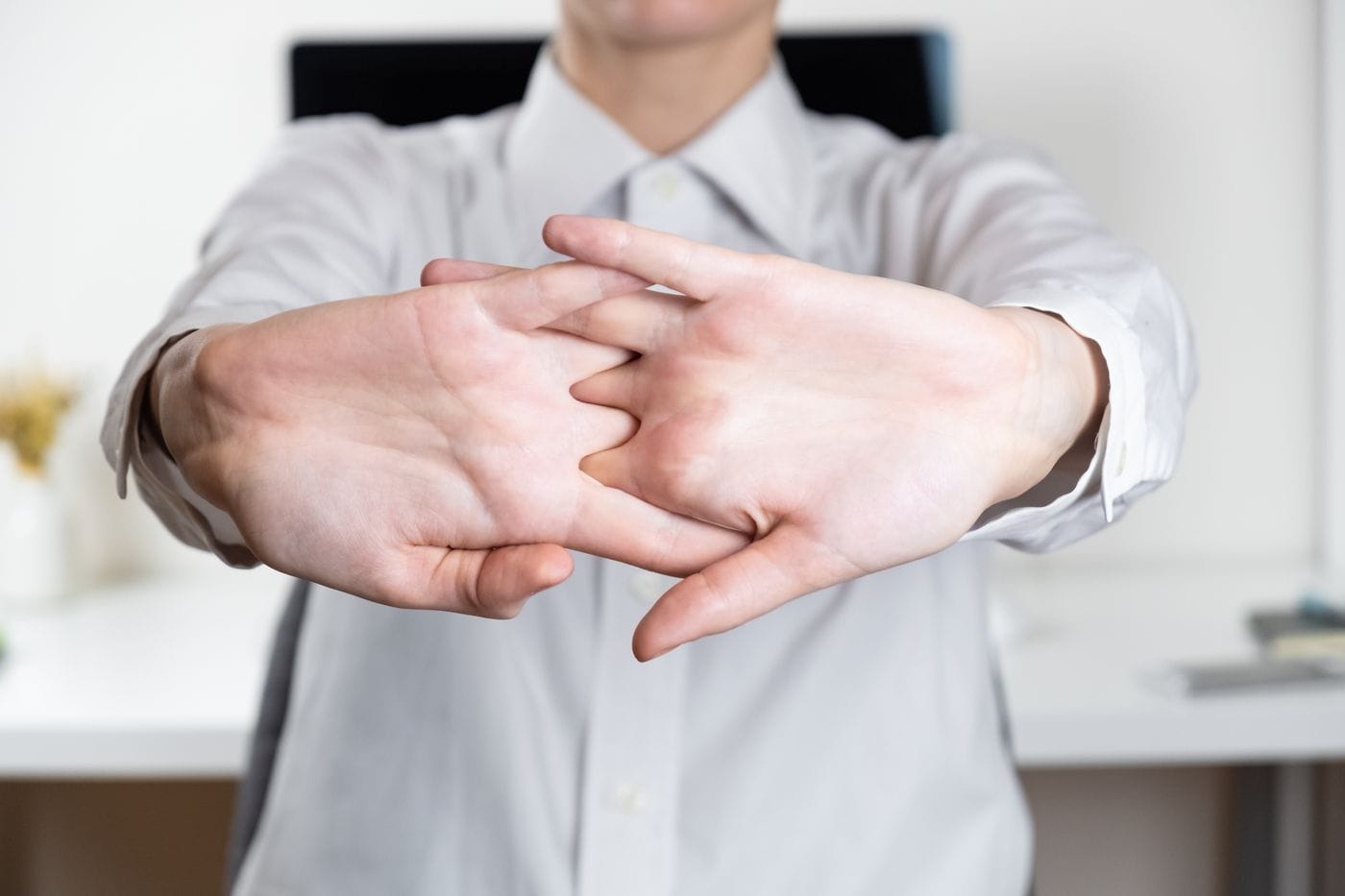
The question of what actually happens inside your knuckle when you crack it has been the subject of serious scientific debate since 1947, and the answer has flipped back and forth so many times that it became one of the more quietly embarrassing ongoing mysteries in human biology. The first study in 1947 said the popping sound came from a gap forming in the joint fluid. In 1971, a different group used the same methods and concluded the opposite: the sound came from a bubble collapsing, not forming. That collapse theory stood as consensus for over 40 years, until a 2015 University of Alberta team put a man's fingers into a custom-built mechanical pulling device inside an MRI scanner, recorded the cracking moment at 3.2 frames per second, and found direct visual evidence that the sound comes when a gas cavity forms rapidly in the synovial fluid, not when a bubble pops. The process is called tribonucleation: the sudden separation of two joint surfaces creates a pocket of gas so fast that it produces the characteristic crack before any collapse occurs.
A subsequent ultrasound study from UC Davis, using technology capable of recording up to 100 times faster than MRI, confirmed that a bright flash appears in the joint at the moment of the sound, consistent with rapid pressure changes associated with a gas bubble, while physical examinations of participants found no pain, swelling, or disability in knuckles that were cracked, providing some reassurance to anyone whose parent spent years telling them it would cause arthritis. That claim, incidentally, has been studied too: a physician named Donald Unger famously cracked the knuckles on one hand every day for 60 years while leaving the other hand alone, and found no difference in arthritis rates between the two hands when he died, which is both scientifically significant and a remarkable example of someone being very committed to winning an argument. The bigger puzzle that remains is not the sound itself but what generates the sensation of relief or satisfaction that habitual knuckle crackers describe, a phenomenon that the gas bubble hypothesis does not fully explain and that researchers say is still worth investigating.
Source:https://techfixated.com/watch-what-happens-when-you-crack-your-knuckles/