A New Spray-On Powder Stops Life-Threatening Bleeding In One Second
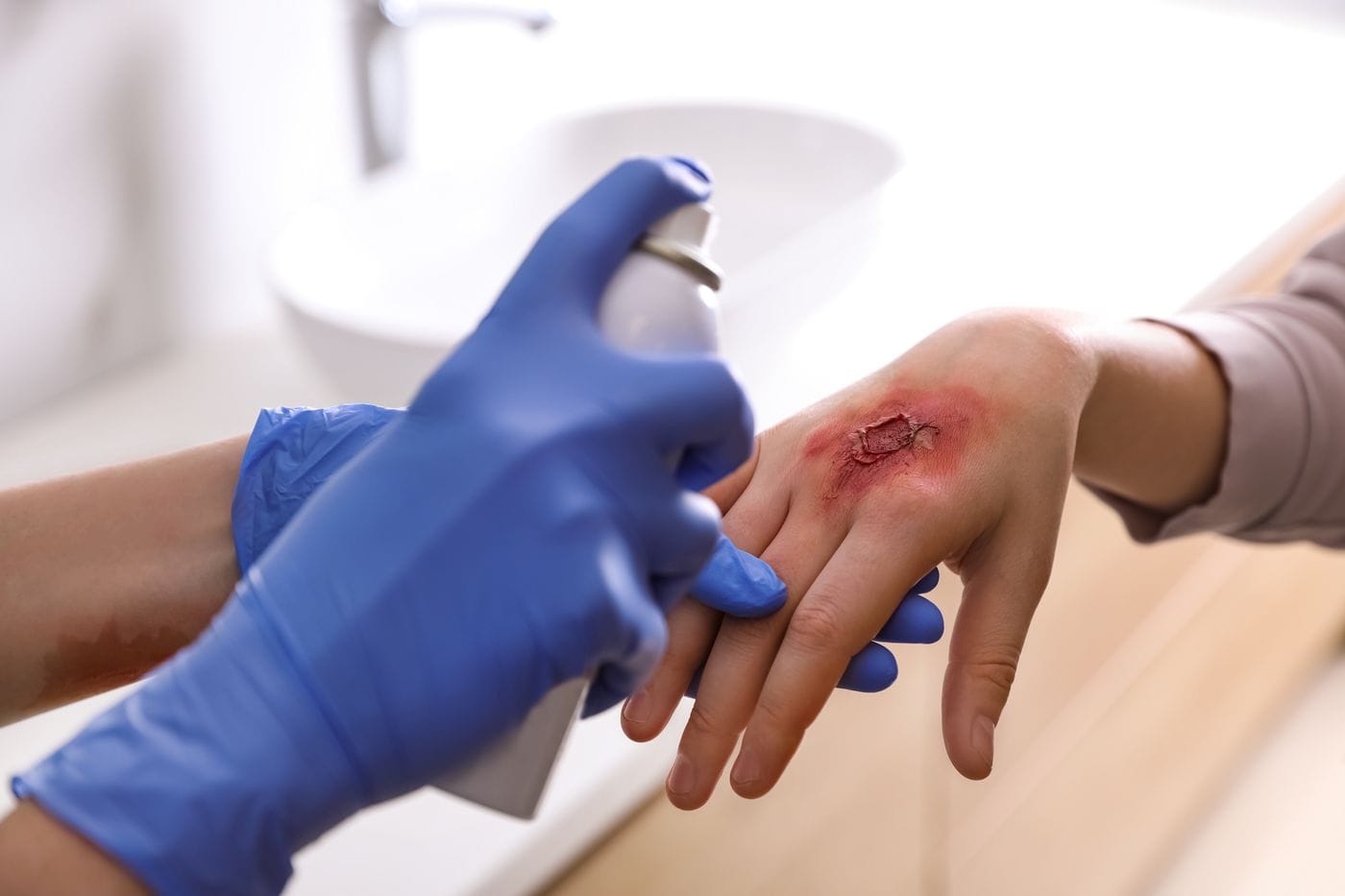
Researchers at KAIST, South Korea's leading science and technology institution, have developed a spray-on powder that stops severe bleeding in approximately one second by instantly transforming into a strong hydrogel barrier when it contacts blood, a breakthrough that could significantly improve survival rates for wounded soldiers and has broad potential for civilian emergency medicine. The material, called AGCL powder, was developed by a team led by Professor Steve Park and Professor Sangyong Jon, with an Army Major named Kyusoon Park serving as a PhD candidate on the project, ensuring the design was built around real conditions on the battlefield rather than laboratory ideals. When the powder touches blood, it reacts with calcium ions naturally present in blood to form a gel in about one second, physically sealing the wound. Its three-dimensional internal structure allows it to absorb more than seven times its own weight in blood, enabling it to block heavy, high-pressure bleeding that overwhelms conventional products. The adhesive strength of the resulting gel exceeds 40 kilopascals, strong enough to maintain its seal under firm hand pressure.
What separates AGCL powder from most existing hemostatic products is its ability to conform to deep, irregular, and complex wounds that flat patch-style products simply cannot cover, and its exceptional durability in harsh conditions: the powder maintained its full performance after two years of storage at room temperature under high humidity, making it suitable for stockpiling in military supply chains, disaster response kits, and rural clinics where consistent cold storage is not available. Laboratory testing showed a hemolysis rate below three percent, cell viability above 99 percent, and an antibacterial effect of 99.9 percent, and animal studies demonstrated rapid wound healing alongside improved regeneration of blood vessels and collagen, with liver function returning to normal within two weeks after surgical liver injury experiments. Kyusoon Park said the core of modern warfare is minimizing the loss of human life and that he began the research with a sense of mission to save even one more soldier, adding that he hoped the technology would be used as a life-saving tool in both national defense and private medical fields. The research was published in Advanced Functional Materials and has been recognized with both the 2025 KAIST President's Award and the Minister of National Defense Award.
Source:https://www.sciencedaily.com/releases/2026/06/260625014835.htm