
A Human Has Been Treated With A Therapy To Make Cells Young Again.
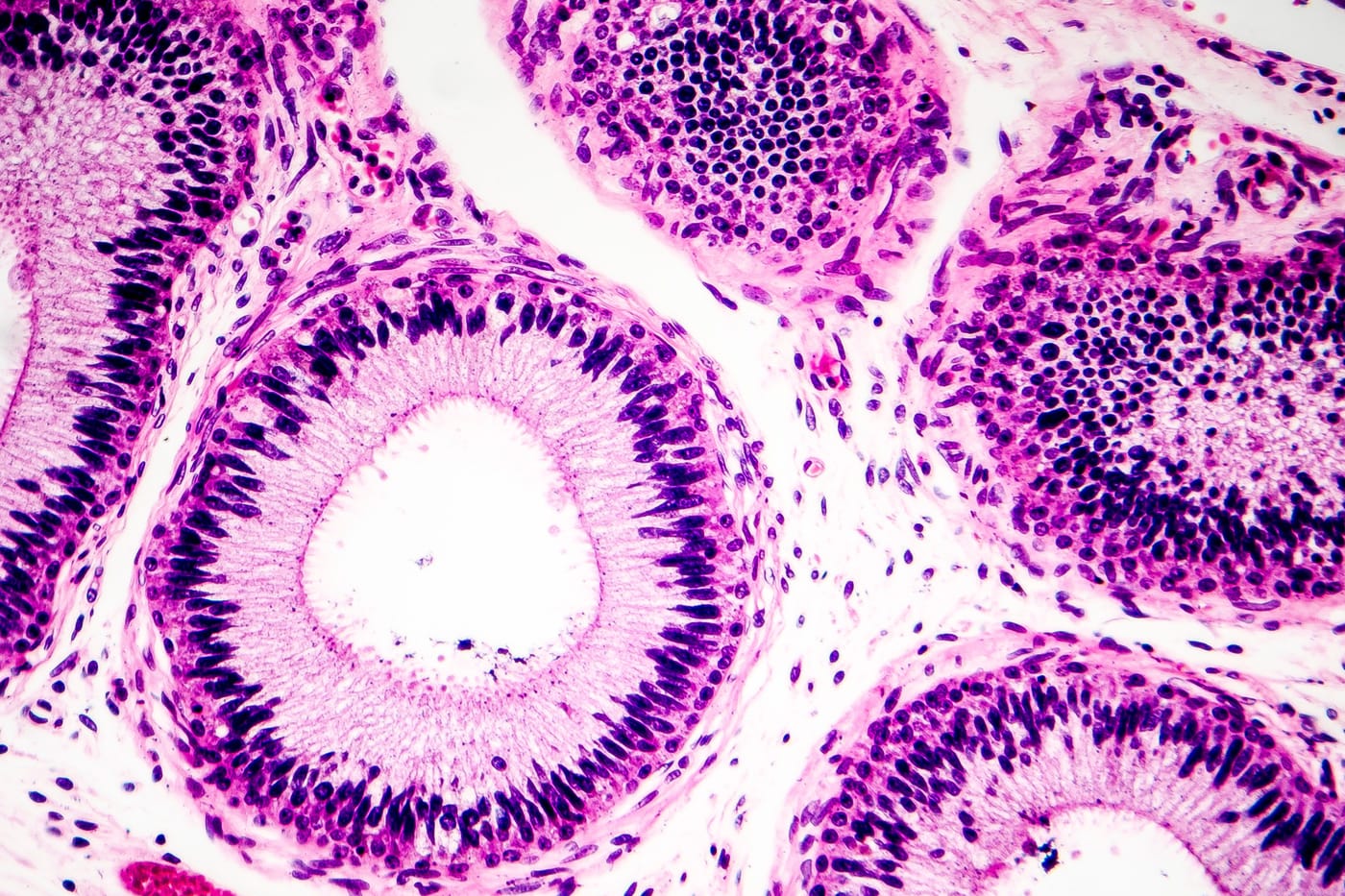
Something genuinely historic happened in medicine on June 9. A person became the first human ever treated with a gene therapy designed to reverse cellular aging, in a landmark trial by Boston-based biotech company Life Biosciences. The therapy activates three specific genes inside cells, nudging them to behave as if they were young again without losing their specialized function. The process is called partial reprogramming and has been one of the most anticipated frontiers in longevity science for years. The first trial targets glaucoma, a disease that damages the optic nerve and can cause blindness. The hope is that reprogramming retinal neurons will allow them to regenerate in a way they normally cannot in adults, potentially restoring or protecting vision. As an added safety feature, the three genes are switched on when the participant takes a common antibiotic called doxycycline and switch off when they stop, giving researchers precise real-time control over the therapy.
The science traces back to a landmark 2020 study from David Sinclair's lab at Harvard Medical School, which found that activating these same genes in mice promoted neuron regeneration and reversed vision loss in glaucoma models. Life Biosciences has since replicated the results in rodents and monkeys without serious side effects. The trial aims to treat up to 12 people initially, with plans to expand. Researchers are clear this is still early and the stakes are high. But the fact that it is happening at all represents a fundamental shift in how medicine thinks about aging. For the first time in human history, we are not just treating the symptoms of getting old. We are trying to undo it at the cellular level.














