AI Transcribed 32,763 Medieval Manuscripts In Four Months. Human Scholars Would Have Taken Years
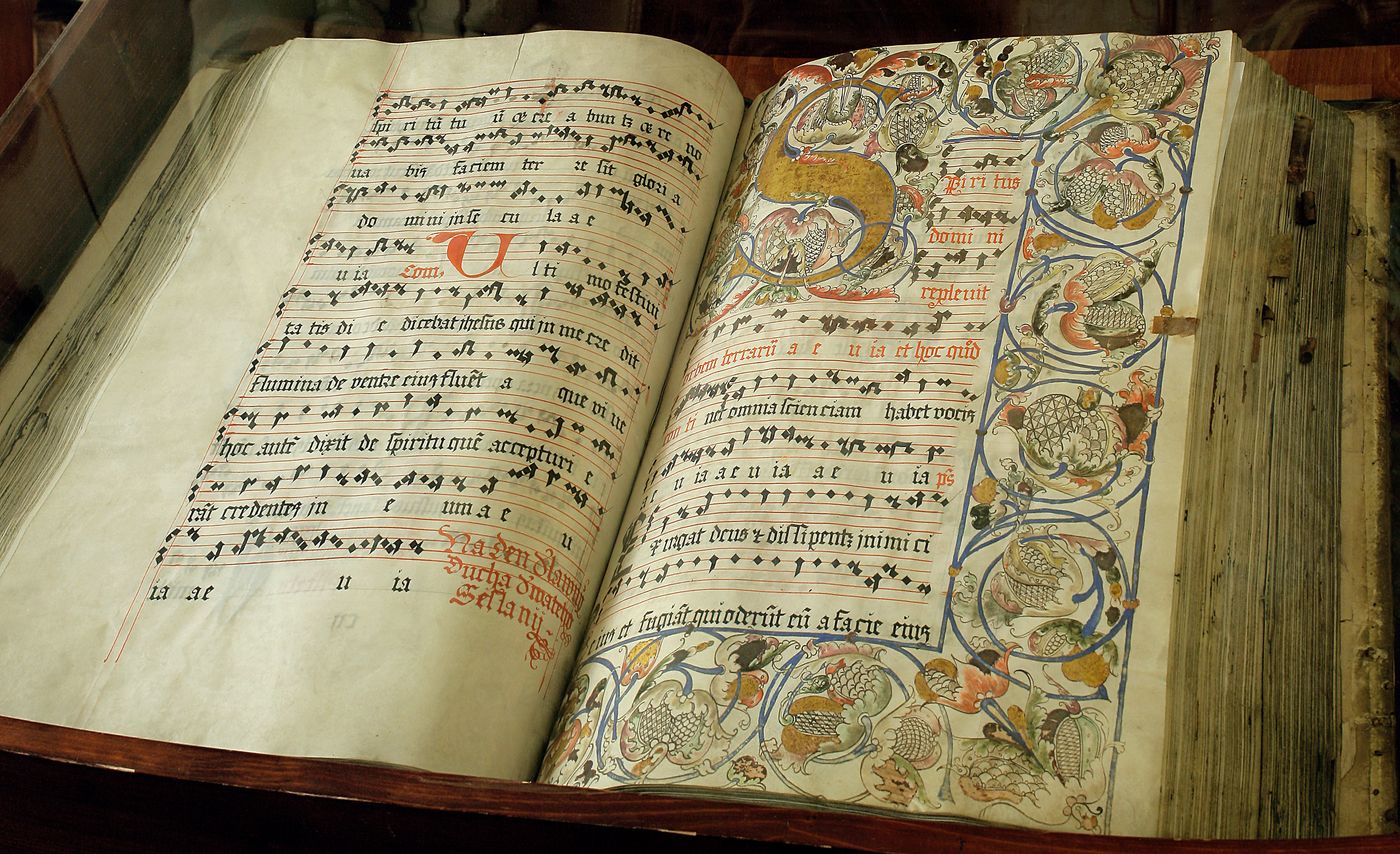
Researchers from the French national research institute Inria, working alongside philologists and medieval studies scholars, have used an AI system to transcribe 32,763 medieval manuscripts in four months, producing searchable, downloadable text files for each document and making them all freely available on a platform called CoMMA, short for Corpus of Multilingual Medieval Archives. Transcribing a single medieval manuscript of several hundred pages can take a human specialist years of careful work. The documents processed by the AI system come from collections already digitized by major European institutions, including the French national library's Gallica platform, the Bodleian Library at Oxford, the Bavarian State Library in Munich, the CNRS manuscript library ARCA, and the Swiss platform e-codices, and span the eighth through the sixteenth century in 11 languages. Among them are a twelfth-century Latin commentary on the Psalms belonging to Auxerre Cathedral and a thirteenth-century Latin Bible attributed to the Venerable Bede. The system was not built on large language models like GPT or Gemini, which generate text by predicting words and are poorly suited to the variable spelling, scribal abbreviations, and handwriting styles of medieval documents. Instead it was trained on a purpose-built dataset called CATMuS, assembled over several years by CNRS researcher Ariane Pinche, consisting of 200,000 hand-transcribed lines drawn from 300 medieval manuscripts, chosen specifically to represent the broadest possible diversity of scripts, periods, and languages rather than any particular research interest.
The team was transparent about the system's limitations from the outset. The AI delivers raw transcriptions without corrections, a deliberate choice that researcher Thibault Clérice said avoids hallucinations while accepting a known error rate of 9.7 percent measured across a sample of 670 manuscripts. Each document page on the CoMMA platform displays alongside its transcription a score indicating the percentage of lines correctly recognized, which in many cases exceeds 80 or 90 percent. The system performs worst on cursive scripts from later in the medieval period, a gap the team identified as the clear target for a future version of the training data. Clérice described the underlying operation as graphic interpretation rather than linguistic prediction, treating each character and even each accent mark as an individual sign to be identified in isolation rather than words to be guessed from context, which makes the approach far more reliable on texts where spelling had not yet been standardized and where between 35 and 40 percent of Latin words in 14th-century manuscripts appear in abbreviated form. The result is not a finished scholarly edition but a starting point: 32,763 starting points for researchers to work from, on documents that would otherwise have waited decades for anyone to open them.