Zoos Are Teaching Baby Elephants To Be Their Own Medical Assistants
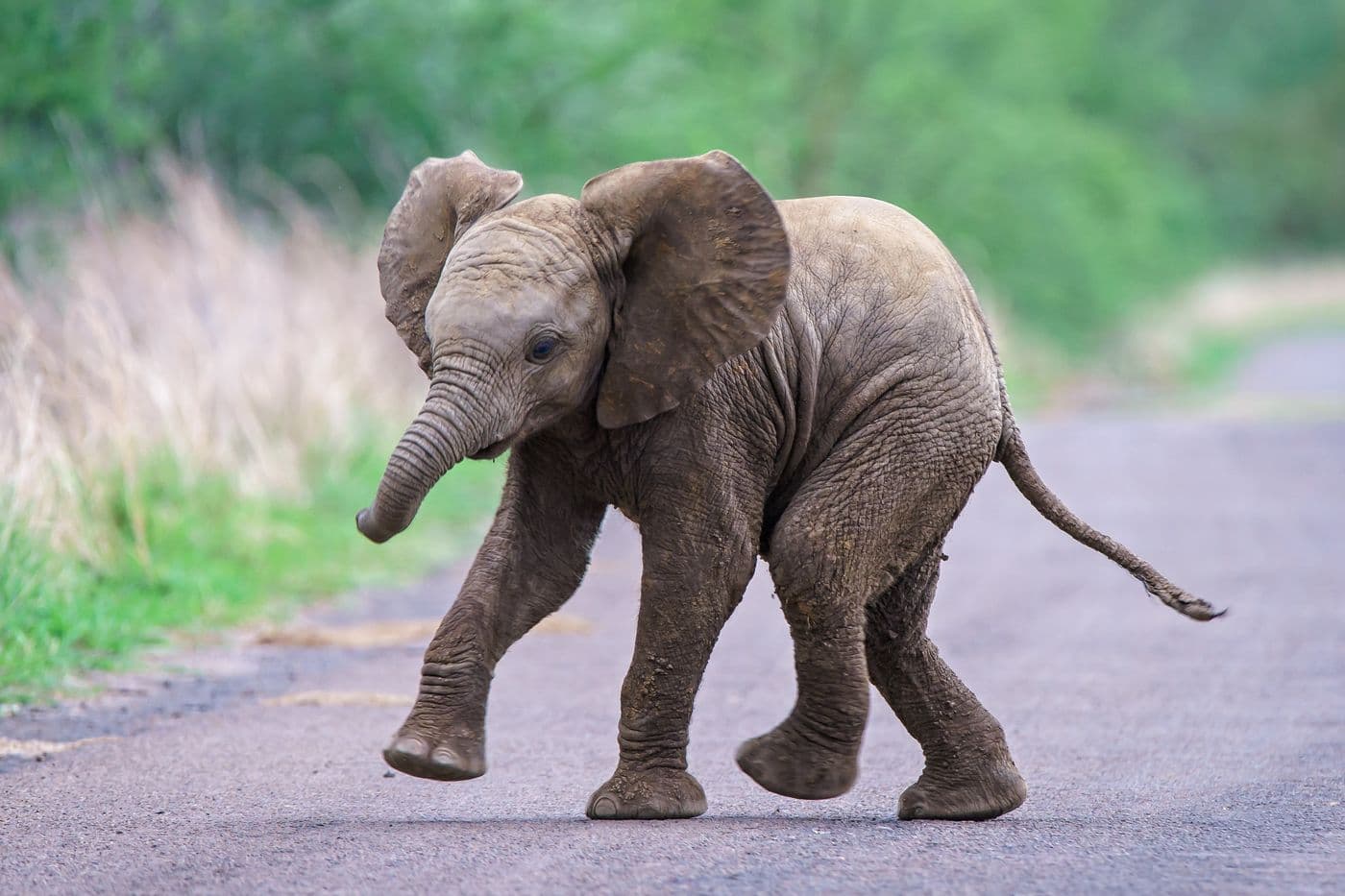
On February 2, the Smithsonian's National Zoo and Conservation Biology Institute welcomed the first elephant calf born at the facility in nearly 25 years: a female Asian elephant named Linh Mai, meaning spirit blossom in Vietnamese, born to 12-year-old mother Nhi Linh and 44-year-old father Spike after a 21-month pregnancy. With fewer than 50,000 Asian elephants remaining in the wild, the birth was a significant milestone for the zoo's breeding program. Linh Mai's first weeks required extra care after her mother initially rejected her, but a 52-year-old herd member named Swarna stepped in as an auntie figure, gently exploring the calf with her trunk and accepting her as her own. By the time Linh Mai was two months old, she was already responding to her name when keepers called to her, a milestone that marked the beginning of something the zoo had been anticipating since before she was born: training her to participate in her own medical care. Since the mid-1990s, accredited zoos and sanctuaries have used positive reinforcement to teach elephants to voluntarily cooperate with routine health procedures, a practice that eliminates the need for high-risk anesthesia and gives the animals an active role in their own wellbeing.
Linh Mai's first learned behavior was targeting, following a buoy on the end of a dowel to move from one area of her enclosure to another, rewarded each time with a click from a clicker that told her she had done the right thing. By her seven-month milestone, she was already standing on a scale for weekly weigh-ins, recording 930 pounds at last check, and the elephant care team had laid the foundation for everything that follows. As she matures, she will be taught to present her feet for inspection and nail trims, open her mouth on cue while holding her trunk on her head for dental checks, stand still for routine X-rays and ultrasounds, and extend her legs for blood draws, all voluntary and all reward-based. Daryl Hoffman, curator of large mammals at the Houston Zoo, has described training as equally important to food, medical care, and exhibit design in creating optimal animal welfare, and its benefits are practical as well as humane: an elephant that cooperates with a blood draw needs no sedation, an elephant that presents its foot needs no restraint, and an elephant that knows what comes next is a calmer, healthier, and more trusting animal throughout its life. At five months old, Linh Mai reached another milestone: her first swim, where the elephant care team held her trunk above water like a snorkel and guided her to the shallow end, before she dove back in for another go. She is doing exactly what the people caring for her hoped she would do, and she has only just started.
Source:https://www.goodgoodgood.co/articles/elephants-zoos-training-medical-care-jobs