New Sin Just Dropped. The Vatican Has Officially Defined Destroying The Planet As A Sin Against God
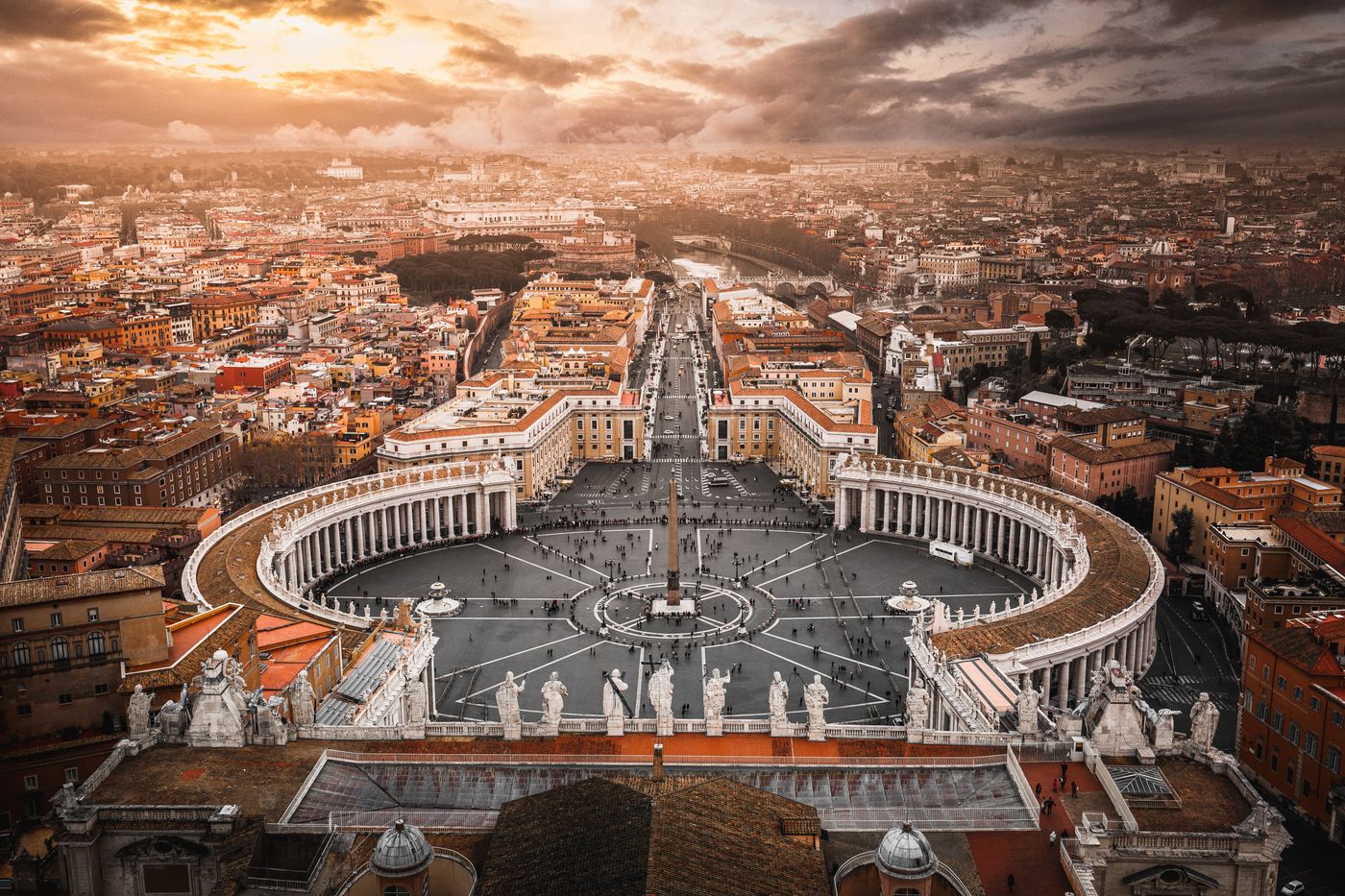
The Vatican added something new to the moral ledger. A 30,000-word document published September 2 by the Vatican's International Theological Commission — reviewed by Pope Leo XIV before publication — formally develops the concept of "ecological sin," defining the destruction of the natural environment as "an action or omission against God, against one's neighbor, the community, and the environment." The commission went further, proposing it be understood as a "sin against creation and against the Creator" — damaging the planet is not merely an environmental problem but a refusal to follow God's intended plan for the world. The document roots its theology in four doctors of the church and builds on a concept Pope Francis introduced at the 2019 Synod on the Amazon. Pope Leo has connected ecological responsibility to his broader vision of human dignity and AI ethics in his encyclical Magnifica Humanitas.
The document does not stop at defining the sin. It lays out what an "ecological spirituality" looks like in practice: being mindful of personal and family consumption, reducing energy use at home and in transportation, choosing a healthy and environmentally responsible diet, and thinking carefully about every purchase. "A healthy spirituality invites us to live in a balanced and mindful way, both toward the environment that sustains us and toward others and ourselves," the document states. It also makes a clear statement on inequality: wealthier nations cannot demand poorer ones preserve forests and green spaces while refusing to change their own consumption patterns. The closing call is for "a profound spiritual conversion." Whether read as theology, environmental policy, or a timely reminder that the planet belongs to everyone, the message is hard to argue with.