New York City Is Opening Its Own Grocery Stores With 30% Off Essentials
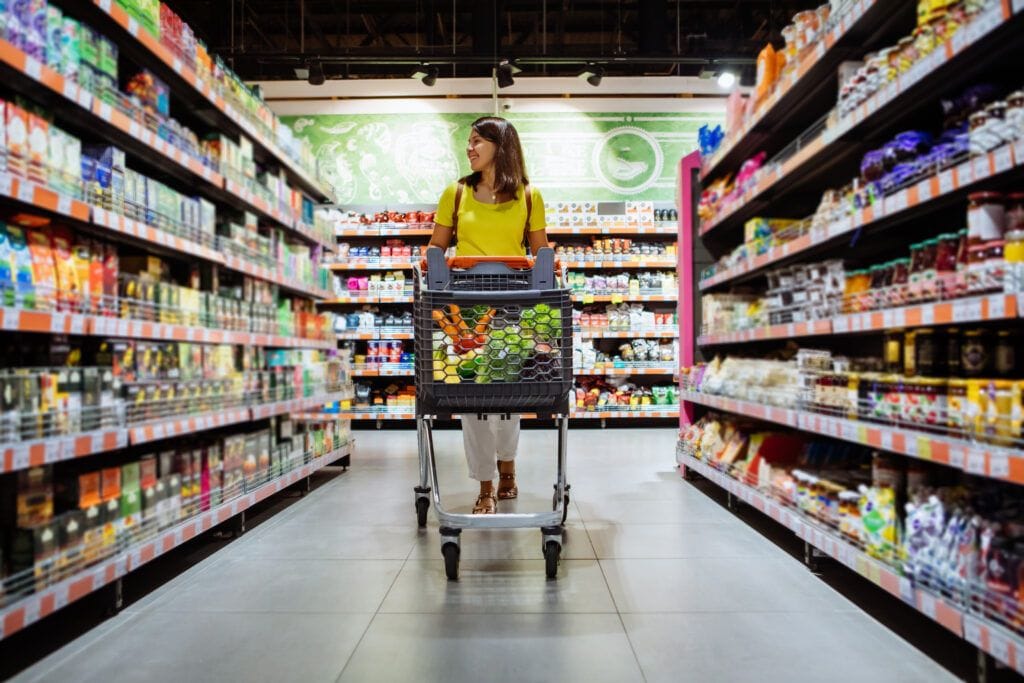
New York City Mayor Zohran Mamdani announced on July 27, 2026 that the five municipal grocery stores his administration is building across the five boroughs will sell a core basket of everyday essentials at 30 percent below typical retail prices, with prices locked in for the entire calendar month rather than fluctuating week to week. The discounted basket will include all fresh produce, all meat and seafood, and roughly 20 additional categories of pantry staples, dairy, and refrigerated goods, covering the items most New York families buy most frequently, including eggs, milk, cheese, bread, chicken, fruits, and vegetables. The city projects the savings will reduce the average family's grocery bill by approximately 15 percent, about $90 per month or roughly $1,000 per year. The discount applies to every shopper regardless of income, and the mayor emphasized the deliberate decision to fix prices monthly: no weekly fluctuations, no sticker shock at the checkout line, no exceptions and no gimmicks. Since 2019, grocery prices across the country have risen by approximately 30 percent, and Mamdani said no New Yorker should have to feel dread walking into a grocery store.
The city has already identified two of the five store locations: La Marqueta in East Harlem, and a site in Hunts Point in the Bronx, with the first store expected to open by the end of 2027. Three additional locations, one in each remaining borough, are still being finalized through a public process, and the administration issued a 44-page request for proposals on July 27 seeking experienced grocery operators to manage the day-to-day operations of each store. The RFP covers merchandising, product sourcing, staffing, and the development of a private-label brand for the stores, to be called N.Y.C. Groceries. Mamdani said the vision is affordable, well-run city-owned stores that can only be accomplished with experienced operators who know how to source products and stock shelves, and that the administration is not trying to compete with local neighborhood shops but to fill gaps in communities that lack affordable grocery access. Deputy Mayor for Economic Justice Julie Su, who joined the announcement, said the initiative is about building a grocery model that puts affordability first and delivers quality jobs for the workers who run the stores. All five locations are expected to be open by the end of Mamdani's first term in 2029.