
Scientists Just Reversed Brain Aging With Two Doses Of A Nasal Spray
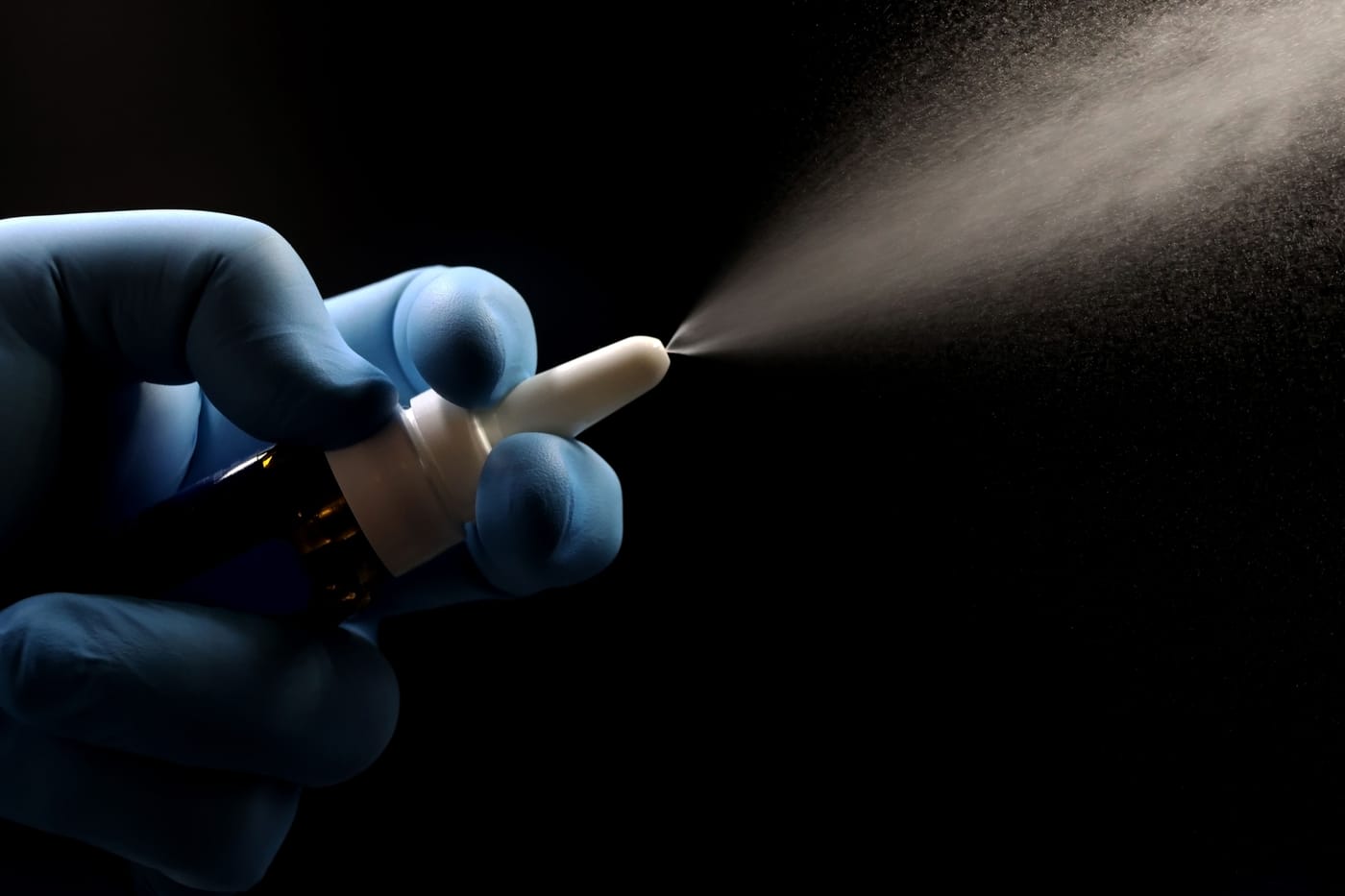
Researchers at Texas A&M University say they have reversed brain aging in animal models using just two doses of a nasal spray, restoring memory, reducing chronic inflammation, and improving brain cell function in results they describe as among the most promising findings in cognitive aging research in recent years. The study, published in the Journal of Extracellular Vesicles, was led by Dr. Ashok Shetty, university distinguished professor and associate director of Texas A&M's Institute for Regenerative Medicine, and targets a process called neuroinflammaging, the persistent low-level inflammation that builds up in aging brains and is considered a major driver of memory loss, cognitive decline, and conditions like Alzheimer's disease and dementia. The spray delivers microscopic biological particles called extracellular vesicles, loaded with microRNAs that act as master regulators of genetic and signaling pathways in the brain, directly into brain tissue by bypassing the brain's protective barrier through the nasal passage. Dr. Shetty said the findings show that brain aging can be reversed to help people stay mentally sharp and free from age-related decline.
In tests, the treatment suppressed two specific inflammatory systems, the NLRP3 inflammasome and the cGAS-STING signaling pathway, both of which are strongly linked to aging-related brain inflammation, while simultaneously restoring the function of mitochondria, the energy-producing structures inside brain cells that aging and inflammation progressively damage and deplete. By calming the inflammation and reigniting the cells' energy supply, the therapy appeared to give neurons what one of the researchers described as their spark back. The improvements carried over into behavioral testing, where treated animals performed significantly better on memory and recognition tasks for months after receiving just two doses, identifying familiar objects, recognizing new ones, and navigating spatial challenges with markedly greater ability. The research team said they are now working toward clinical application and that the intranasal delivery method, which requires no injections or invasive procedures, is one of the most exciting aspects of the approach because it makes the eventual treatment pathway practical and accessible.
Source:https://www.sciencedaily.com/releases/2026/05/260526022018.htm














