
She Rescued A Crow, Now The Birds Keep Bringing Her Gifts
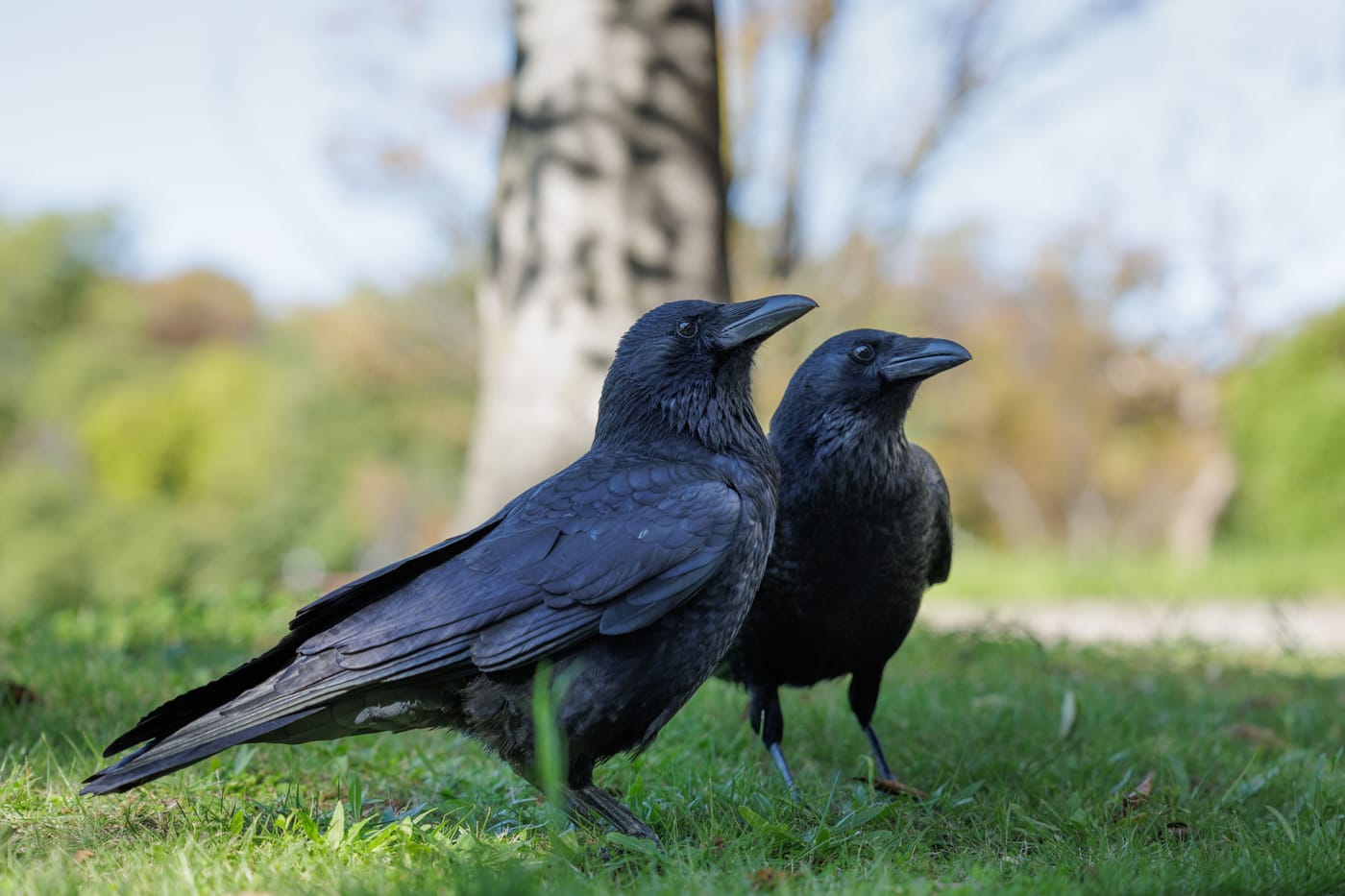
Leah Wilson, a Métis woman living in British Columbia, Canada, was out walking one day when she noticed dozens of crows dive-bombing and circling a nearby house in what she immediately recognized as a distress alarm, and when she looked more closely she found the source: a crow was stuck in the home's rain gutter and nobody in the neighborhood had a ladder tall enough to reach it. Wilson spotted a fire truck parked a few blocks away, walked over, and made the firefighters an offer they apparently found easy to accept: "Hey, you look like you want to save a crow today." They did. The firefighters raised their ladder, freed the bird, and Wilson drove it to a wildlife rehabilitation center herself, the crow gripping her finger the whole way in what she described as a life-changing moment. The bird recovered and was released back into the wild, fitted with a metal band on its leg, and Wilson assumed that was the end of the story. It was not.
A few days later, while walking her dog, a crow flew down and dropped a feathered bundle at her feet, and Wilson's reaction was immediate: "Wow, this crow has given me a thank-you gift." Since then, more than half a dozen items have arrived the same way, including sticks, balls of moss, and a small intact bird's nest, left by crows that have also started joining Wilson and her dog on their daily walks, following them block by block through the neighborhood. She can identify the original rescued crow among the flock because of the metal band on his leg, and she says he has become the highlight of her mornings. Wilson, who grew up Métis with a deep understanding of the importance of relationship with the natural world, said the experience has reinforced something she has always believed: that when we are aware of what is happening around us, beautiful things happen. Scientists who study crow behavior note that crows are among the most cognitively advanced birds in the world, known to recognize individual human faces, remember past interactions, and communicate information about people within their social groups, making Wilson's experience unusual in its scale but consistent with what researchers know about how crows treat the humans they consider their allies.














