The EU Made It Illegal To Destroy Unsold Clothes And Shoes
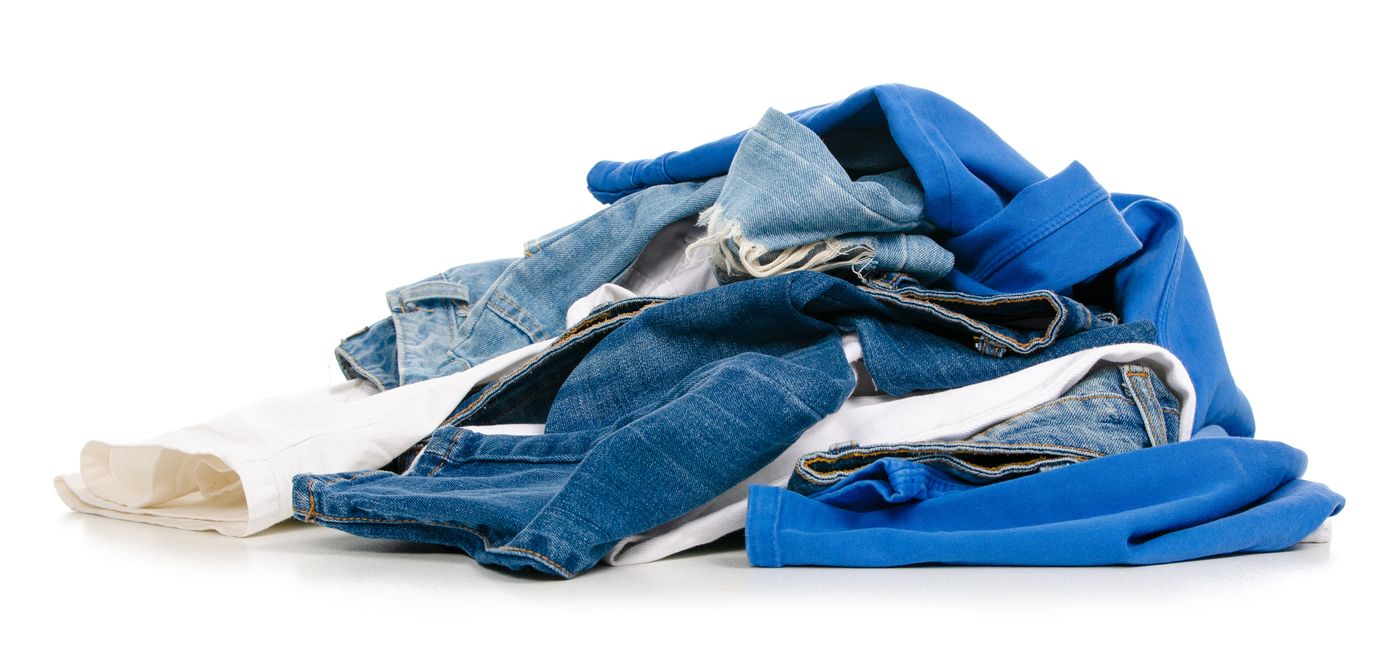
A ban on the destruction of unsold clothing, accessories, and footwear took effect across the European Union on July 19, 2026, applying immediately to large companies and covering medium-sized businesses from 2030, as one of the first concrete measures under the EU's Ecodesign for Sustainable Products Regulation. The law addresses a practice that the European Environment Agency estimates accounts for the destruction of between 264,000 and 594,000 tonnes of perfectly good textiles every single year across Europe, representing between 4 and 9 percent of all textile products put on the market before anyone ever wears them, with all the raw materials, water, energy, and labour invested in their production treated as disposable. Under the new rules, businesses must prioritise keeping products in use by selling them at a discount, donating them to charities or social enterprises, or preparing them for reuse through repair, refurbishing, or remanufacturing. Destruction is permitted only in limited and documented cases, such as when items are damaged, unsafe, counterfeit, or have been rejected by all available donation channels.
The ban carries real enforcement teeth: national authorities can inspect company records, which must be kept for five years, and impose fines for non-compliance. Companies that rely on the narrow exemptions allowing destruction must provide documented proof and publish annual reports detailing what was discarded and why, a transparency requirement designed to prevent the exemptions from becoming loopholes. Small and micro-businesses are exempt from the reporting requirements, and the rules apply only to consumer textile products rather than industrial or specialty goods. The European Commission said the measure was designed after wide consultation with businesses, NGOs, and experts to ensure the rules work in practice without creating unnecessary administrative burden. The broader ESPR regulation, which came into force in 2024, sets EU-wide requirements to make products more durable, repairable, and resource-efficient across many categories, and textiles are the first product group subject to the destruction ban due to the particularly severe environmental impact of current fashion industry business models. Several major clothing brands, including H&M and Zara's parent Inditex, had already publicly committed to ending the practice of destroying unsold goods in recent years, meaning the law in some cases formalizes what was already happening voluntarily while ensuring compliance is universal and verifiable.