American Kids Throw Away Hundreds Of Tons Of School Lunch Every Day, So These Kids Made A Change

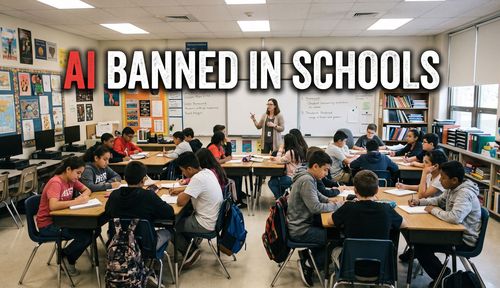
School meals feed 30 million children every day in the United States, representing an enormous investment by farmers, food workers, cafeteria staff, and taxpayers. A significant portion of that investment is thrown in the trash. WWF's Food Waste Warriors program, which works with schools across the country on food waste reduction, has published a new report finding that American schools could recover, recycle, or compost up to 90 percent of their wasted food, diverting roughly 450,000 tons from landfills each year. The key finding is not about technology or policy but about students. When young people are invited to understand where food waste comes from and what it costs, they respond with creativity and enthusiasm, taking on the roles of investigators, communicators, and problem-solvers. Lovin Elementary School in Georgia is the most detailed example in the report: after students conducted a food waste audit and discovered their school was discarding nearly 450 pounds of food per day, they developed a range of solutions including in-school public service announcements, a share table where students can leave unopened food for others, peer-to-peer education, and a program redirecting food scraps to chickens on the school grounds. Six years later, Lovin had cut cafeteria food waste by 70 percent and was redistributing more than 20,000 food items annually to students who wanted them.
WWF's Mary Jane Chandler, who leads the Food Waste Warriors program, describes what the Lovin students built as a culture of stewardship rather than one of waste, and says the most important outcome is not the numbers but what students carry with them when they leave. Young people who learn to value food begin seeing the connections between what sits on a cafeteria tray and the farmers, communities, ecosystems, and natural resources that produced it. That understanding, once formed, tends to follow them into the decisions they make as adults. WWF has launched a national ambition to end wasted food in K-12 schools within a generation, with three core strategies: engaging students in annual food waste education, expanding food recovery efforts like share tables and refrigerators so that uneaten food reaches other students rather than a dumpster, and ensuring unavoidable food scraps are composted rather than landfilled. The United States wastes more than 30 percent of all food produced, and schools are one of the most tractable places to begin changing that because the decision-makers are young enough to build different habits from scratch. Chandler's summary of the path forward is the same one the Lovin students discovered when they started counting: it does not require perfection. It requires participation, routine, and commitment. When young people are given those tools and trusted to use them, they tend to do something remarkable with them.