Steve And Terri Irwin Turned An Old Avocado Shed Into A Wildlife Hospital. It Has Now Treated 136,000 Animals!
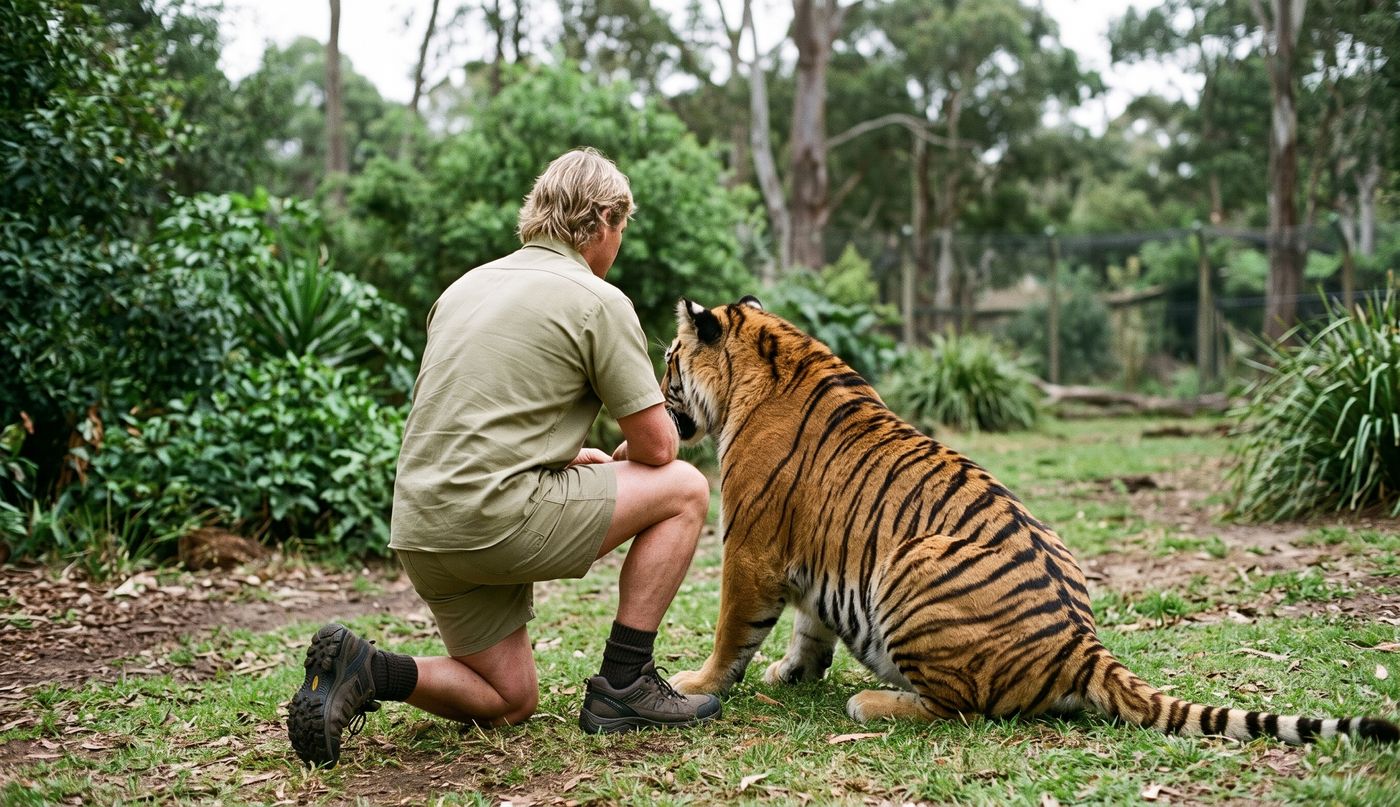
Steve Irwin's mother, Lyn, had a dream: a place where injured and sick wildlife could receive proper care. She did not live to see it built. In her memory, Steve and Terri Irwin converted an old avocado packing shed in Beerwah, Queensland, into the beginning of what would become the Australia Zoo Wildlife Hospital, starting the transformation in 2004. The shed was modest. The vision was not. Four years later, on November 15, 2008, a purpose-built facility opened on the same site, featuring a surgical theater, X-ray room, intensive care units, and a pathology lab. Steve Irwin did not live to see that opening either. He died in September 2006 after being struck by a stingray barb while snorkeling at Batt Reef in Queensland, two years before the hospital he had helped build was ready to receive patients in its permanent form. The facility that opened in 2008 was staffed by wildlife vets and nurses who provide care at no cost to the public, supported entirely by Wildlife Warriors, the conservation charity Steve and Terri founded in 2002. In the two decades since the avocado shed was first converted, the hospital has treated more than 136,000 animals, admitting between 9,000 and 10,000 patients per year, making it one of the largest and busiest wildlife hospitals in the world.
The patients are a cross-section of Australian wildlife in distress: birds account for 43 percent of admissions, followed by possums and gliders at 15 percent, reptiles at 12 percent, koalas at 9 percent, and bats at 5 percent. Some come in after vehicle strikes, some after encounters with domestic animals, some after entanglement in fishing line or fencing, and some simply after being found on the ground unable to fly or move. By the time of the 2019 to 2020 Australian bushfire season, the hospital had already treated its 90,000th patient, and the pace has only increased in the years since. Terri Irwin continues to chair Wildlife Warriors and remains involved in the hospital's day-to-day operation alongside her children Bindi and Robert, who have both grown into conservationists in their own right. Robert was two years old when his father began the conversion of the avocado shed. He is now 22. The hospital that started in a packing shed to honor a woman's dream about caring for animals has treated 136,000 of them, in a facility that would not exist without a crocodile hunter who believed that if you show people why animals matter, they will want to help protect them. He was right about that, as the hospital's patient count makes clear every single day.