Canopy Bridges Over Amazon Highways Recorded 15,000 Safe Crossings And Zero Roadkill
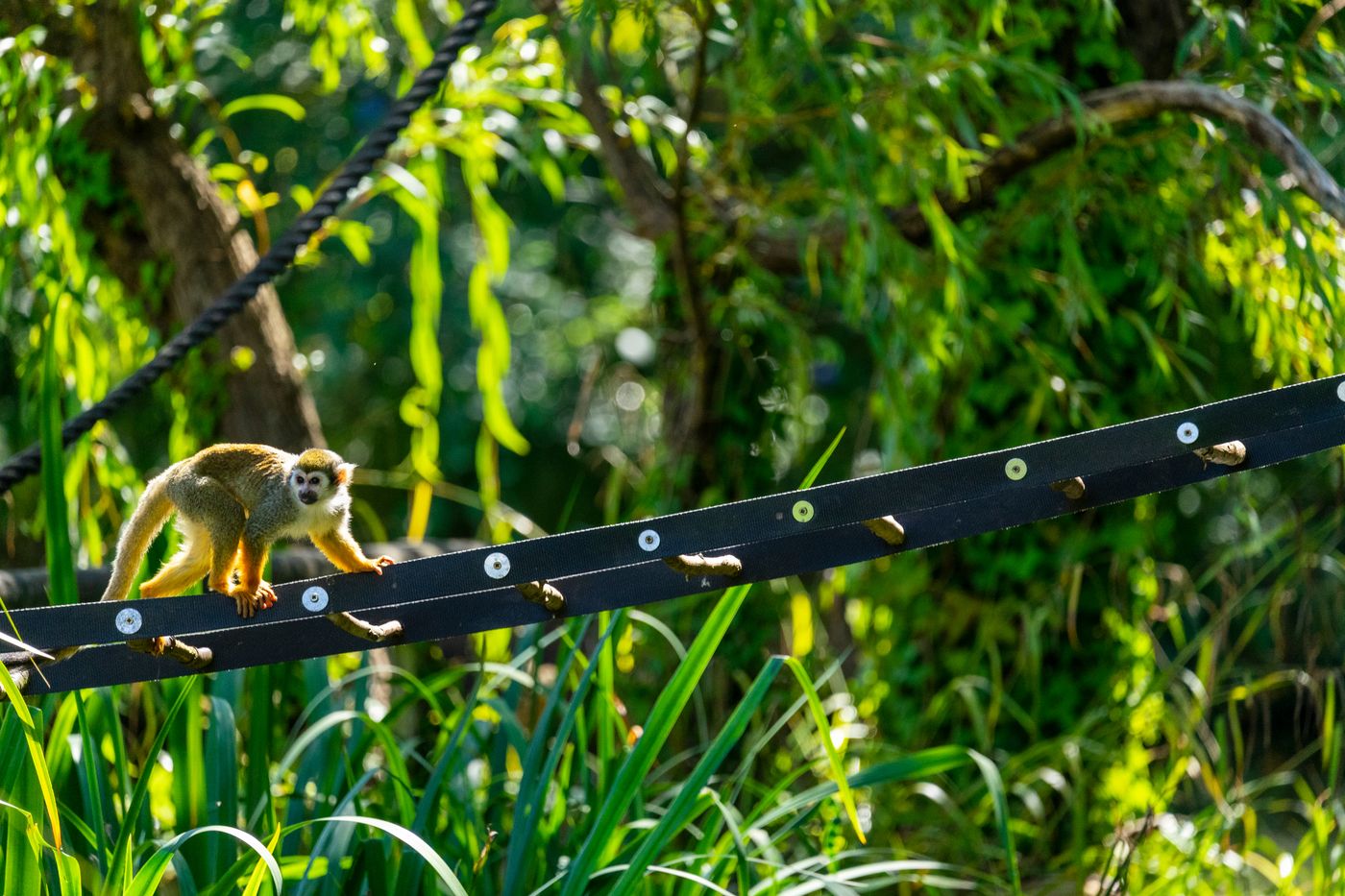
Fernanda Abra is a biologist, road ecologist, and postdoctoral researcher at the Smithsonian Institution who has spent years solving one of the Amazon's quieter crises: the roads cutting through Brazil's rainforests divide continuous forest into disconnected islands, and the monkeys, sloths, and porcupines living in the treetops cannot safely cross them. Abra founded Projeto Reconecta to build artificial canopy bridges over active highways, rope and rope-netting structures suspended above the road that allow arboreal animals to move between forest patches without ever touching the ground or the asphalt. Camera trap monitoring over 15 months on a set of these bridges near Alta Floresta, a small Amazon town in Mato Grosso state, recorded 15,000 safe crossings by arboreal animals. The number of primate roadkills in the same period, on roads equipped with bridges, was zero. On nearby stretches without bridges, roadkill continued as before.
The bridges must withstand intense heat, heavy rain, and years of exposure while remaining affordable enough to install at scale, a design challenge Abra and her team solved by working closely with local communities and the Waimiri-Atroari Indigenous people, who partnered with Reconecta to install bridges in their territory and helped test which designs worked for different species and movement styles. Some monkeys brachiate by swinging from branch to branch, some jump, and some are more terrestrial, requiring different bridge widths and textures for each. In 2026, Brazil's National Department of Transport Infrastructure designated Reconecta's canopy bridge design as the recommended national standard for highways, meaning the model Abra developed in one patch of Amazon forest is now the legal blueprint for the entire country. A bill currently awaiting a Senate vote would establish a national road safety plan for wildlife requiring wildlife warning signs, speed reduction measures, and crossings on major highways throughout Brazil. The road that currently kills approximately 2,000 animals per year is called the highway of death. The people working to rename it have a head start.
Source:https://news.mongabay.com/2026/07/zero-roadkill-as-amazon-canopy-bridges-secure-15000-crossings/