Feeding Birds At Your Window Affects Your Mental Health
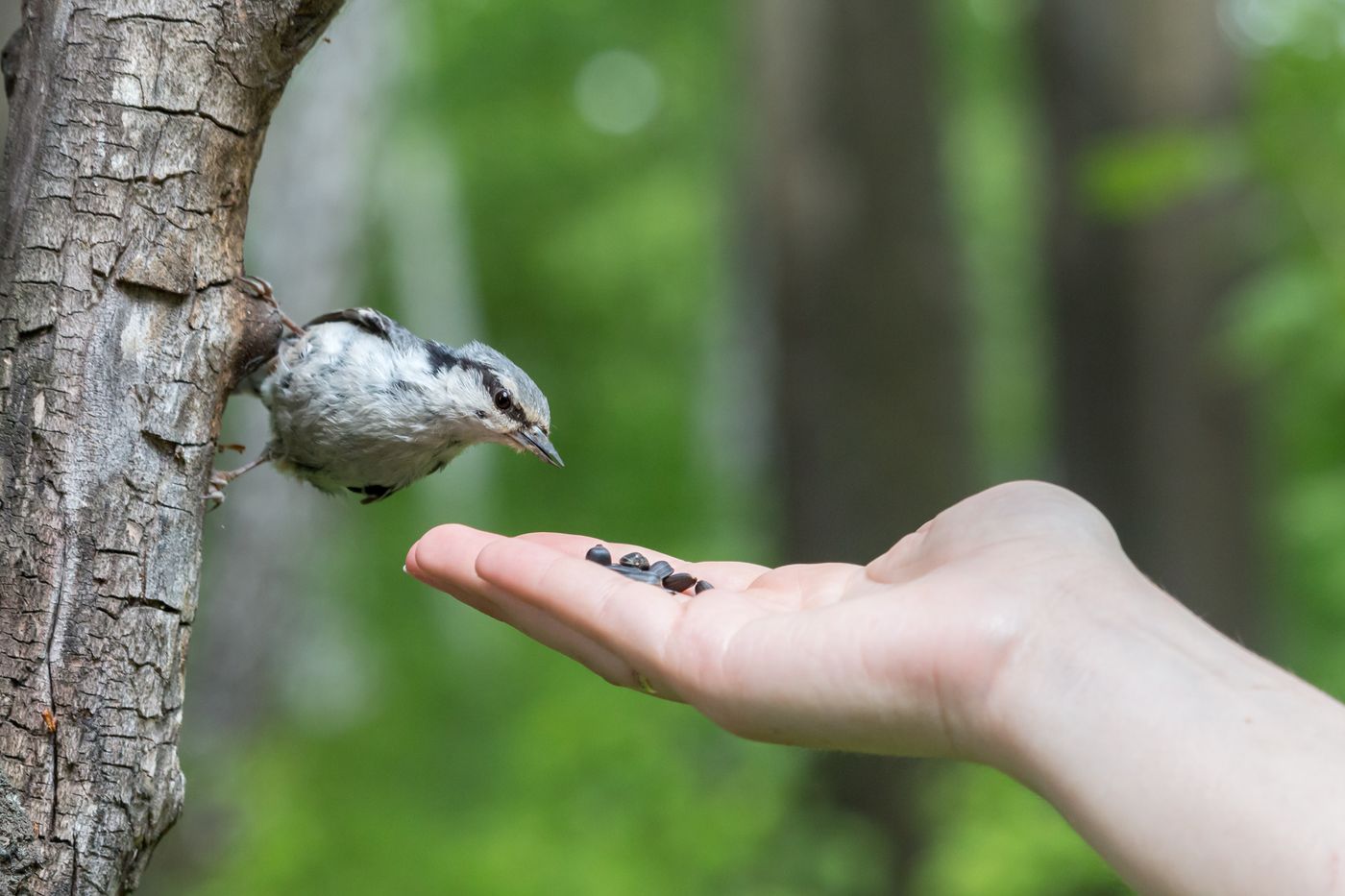
Approximately 56.7 million Americans aged 16 and older feed wild birds, making it one of the most common forms of nature engagement in the country, and a new study from Virginia Tech published in the journal Ambio is the most detailed examination yet of what that simple act does for human well-being. Researcher Kelley Langhans and her team followed 3,658 adults participating in Project FeederWatch, a citizen science program run by the Cornell Lab of Ornithology, surveying them before and after a six-month winter bird-watching season using a standard well-being questionnaire. At the end of the season, participants rated how feeding and watching birds had affected their well-being and separately rated how other events in their lives had affected them during the same period. The contrast was striking: 95 percent of participants said feeding and watching birds had a positive effect on their well-being across the six months, while only 55 percent said other life events had a positive effect during the same period. Langhans said feeding and observing birds is a really meaningful way for people to connect with nature and that people feel it has real positive impacts on their well-being.
The written responses from 440 participants help explain what the numbers cannot fully capture. Positive emotion appeared in 139 responses, with people describing joy, gratitude, contentment, hope, and having something to look forward to. Stress reduction appeared in 124, with people saying watching birds helped them feel calm or gave them something positive to focus on during difficult stretches of time. Others described curiosity, wonder, and learning as they got better at identifying species, while some found meaning in contributing to science or in sharing the feeder watching routine with family members. The formal well-being scores changed by only a small average amount across the full group, which the researchers were transparent about: not everyone experiences a measurable shift, and the experience was not universally positive, with some participants feeling distressed by sick or injured birds. The team noted that the group itself, mostly older, female, white, and highly educated, may already have a stronger baseline connection to wildlife than the general population. Ashley Dayer, a Virginia Tech professor in the Department of Fish and Wildlife Conservation, said understanding the human well-being impacts helps wildlife agencies think about how people can feed birds responsibly rather than dismissing the practice, and that keeping feeders clean, cats indoors, and windows collision-proofed can reduce the risks for the birds while preserving what the feeder brings to the person watching it.
Source:https://www.earth.com/animals/feeding-wild-birds-has-a-powerful-effect-on-human-well-being/