Chile's Most Endangered Deer Trusts Humans Completely. That Trust May Be What Saves It.
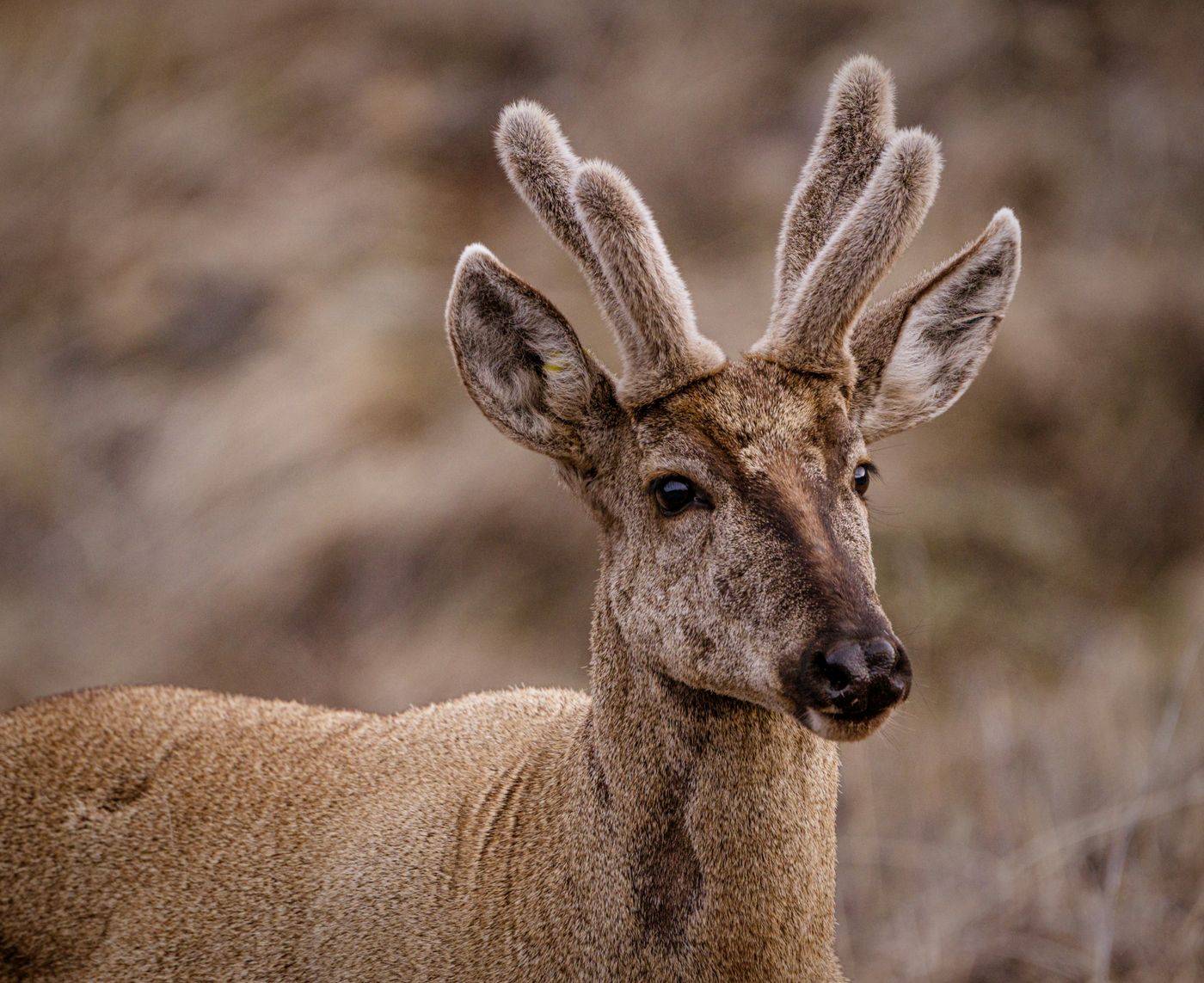
The huemul, the stocky South Andean deer that appears on Chile's national coat of arms alongside the condor, has a quality that biologists describe with a mixture of admiration and heartbreak: it is an extremely trusting animal that is not afraid of humans. That trust is a large part of why fewer than 2,000 of them remain in the wild today. For centuries, it made the huemul easy to hunt, easy to approach, and easy to eliminate from vast stretches of its former range. By the mid-20th century, the species had been pushed to remote Patagonian mountain terrain, fragmented into small isolated groups with little chance of reconnecting. The animal on the Chilean coat of arms was quietly disappearing from Chile itself. The same quality that nearly destroyed the huemul may now be what saves it. Because these deer do not fear people, they can be approached, treated, and released by conservationists in ways that most wild species would not tolerate. Rewilding Chile, the organization operating within several of Patagonia's national parks, recently opened the Huemul Rescue and Rehabilitation Center adjacent to Cerro Castillo National Park to treat animals suffering from a disease called caseous lymphadenitis, spread by domestic livestock, that has been producing debilitating abscesses in wild huemuls and killing animals the population cannot afford to lose.
The center's first patient was a young stag the team named Distraido. He arrived with multiple large abscesses and spent a month in intensive treatment at the facility, cared for by veterinary staff who were, in a meaningful sense, learning how to do this as they went. Cristian Saucedo, wildlife director at Rewilding Chile, said there is very little knowledge of how to work with huemul deer in captivity, and that the successful treatment and release of Distraido marked a before and after in huemul conservation. Distraido was given a clean bill of health, fitted with a tracking transmitter, and released back to his herd in the wild, where rangers have continued monitoring his progress. He is not the last patient. The center is already taking on new captures and transfers of sick huemuls, and every animal that walks out healthy is an animal that a species with fewer than 2,000 members cannot afford to lose. Kristine Tompkins, president of Tompkins Conservation, put it plainly: without these interventions, the huemul deer would surely be lost to history. The deer that trusted humans so completely that it nearly paid for it with its existence is now putting that same trust in a different set of humans, the ones who showed up with medicine instead of weapons, and so far they are not letting it down.
Source:https://www.goodgoodgood.co/articles/huemul-deer-andean-chile-endangered-species