More Daylight Is The One Thing Everyone In Daylight Savings Time Debate Agrees On
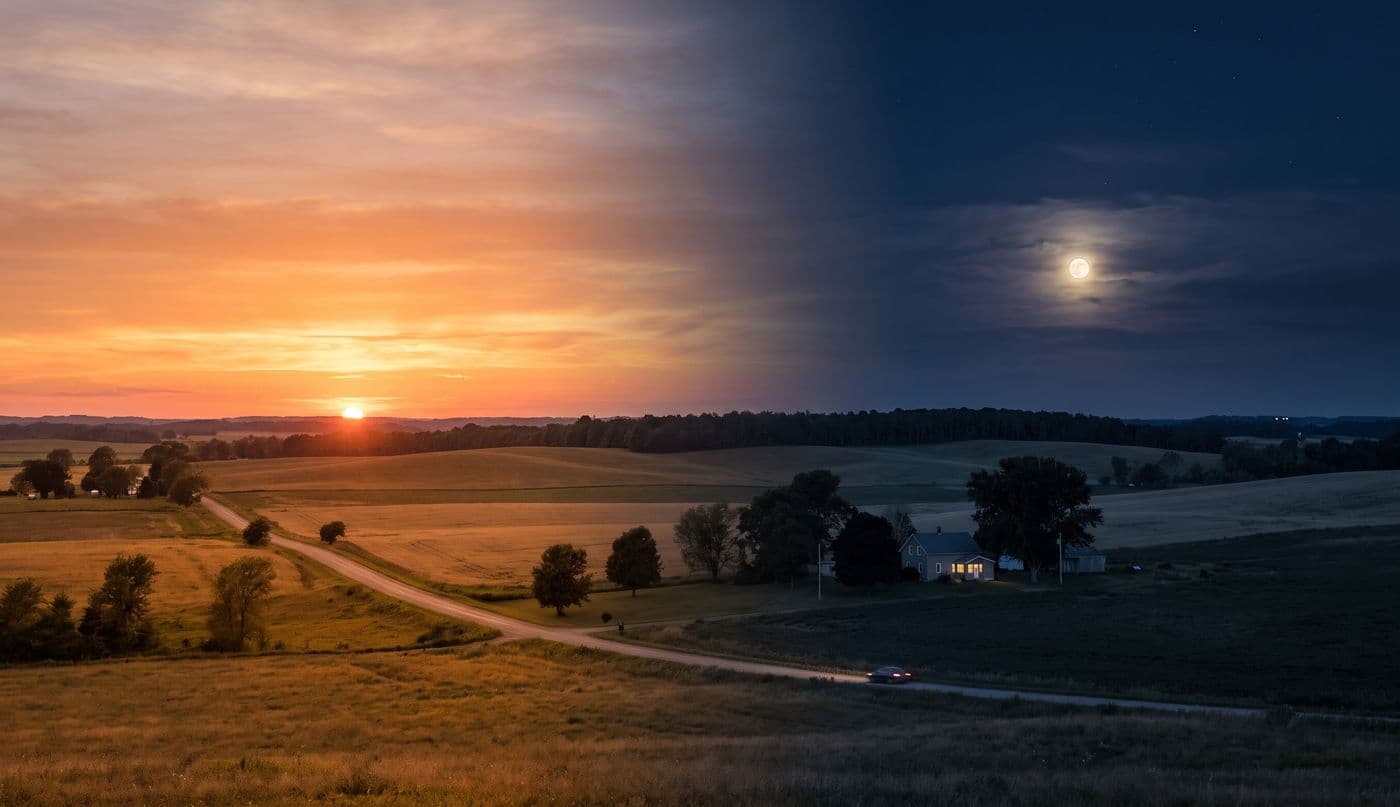
Clocks fell back at 2 a.m. on November 1, 2026, and the yearly ritual brought the yearly debate, with a 2025 AP-NORC poll finding that only 12 percent of Americans favor the current system of switching and a February 2026 YouGov poll finding that 64 percent would like the clocks to stop changing altogether. Where the country wants to land is less settled, since the AP-NORC poll found that 56 percent of those who want to end the switching prefer permanent daylight saving time while the rest prefer permanent standard time, and YouGov found that 64 percent of Americans like it to get dark later in the evening, while a Gallup poll found that 48 percent prefer permanent standard time compared with 24 percent for permanent daylight saving time. The House approved a bill in the summer of 2026 that would make daylight saving time permanent, President Trump has urged Congress to pass it, and 19 states have approved measures supporting the change, although the bill remains stalled in the Senate.
A new University of Washington study published on October 29 in Current Biology adds a fresh data point, estimating that permanent daylight saving time would mean at least 2 billion additional school commutes in darkness, with fatal crashes involving school-aged pedestrians roughly twice as likely on dark mornings as after sunrise. "Nobody wants their kids to go to school in the dark," said senior author Horacio de la Iglesia, who noted that bright morning light also helps set the body's internal clock. A bipartisan bill introduced in Congress would instead make standard time permanent. Whichever time the country picks, the debate shows how much people value sunshine, whether it arrives with the morning commute or the evening walk, and how much they would like to stop touching the clocks.
Source:https://www.sciencedaily.com/releases/2026/11/261103003157.htm