Scientists Found A New Dragon Lizard And Named It After A Game Of Thrones Character
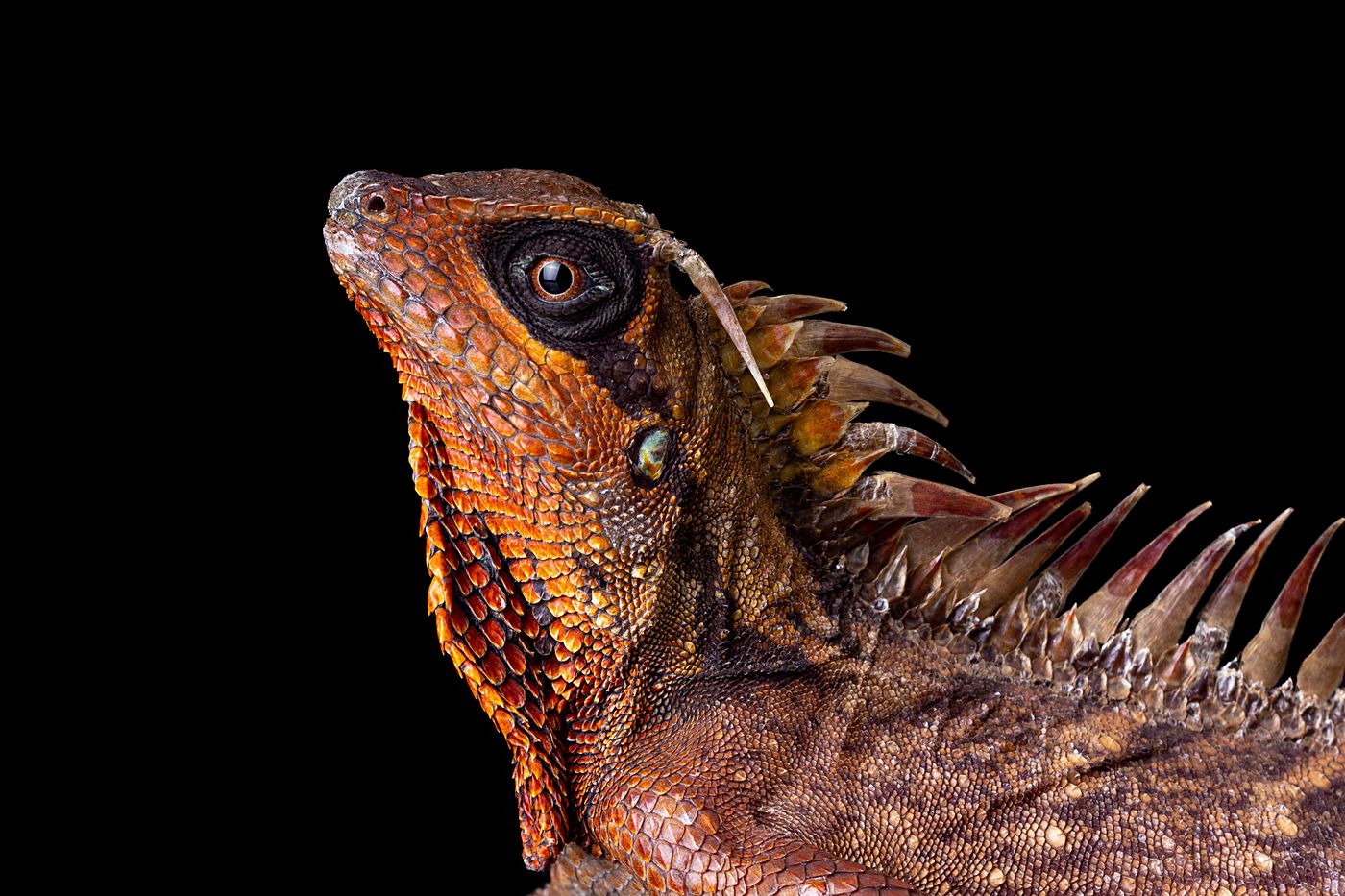
Researchers studying lizards in the high-elevation evergreen forests of Mae Wong National Park in western Thailand have identified a new species of mountain horned dragon, a group of spiny reptiles with pointed scales that form crests along their necks and backs, and named it Acanthosaura syrax after Syrax, the dragon ridden by Queen Rhaenyra Targaryen in the HBO series House of the Dragon. The name is not decorative. The real lizard shares three specific traits with its fictional namesake: yellow coloring, modest size, and a surprisingly large number of eggs relative to its body size. Adult males have yellowish-green lips and necks, with pale green spots set against a dark brown body pattern. Females tend toward pale brown, orange-brown, or yellowish markings and grow larger than the males. The team, led by Poramad Trivalairat, collected eight adults by hand at one mountain site and recorded 51 body measurements and scale counts to compare the lizards with known relatives, ultimately establishing Acanthosaura syrax as the 23rd known species in the mountain horned dragon group. The study was published in the journal ZooKeys. The researchers have proposed Syrax mountain horned dragon as its English common name.
The lizards were found almost exclusively above 4,265 feet elevation in the park, spending their days basking on rocks, logs, and shrubs in the mountain sunlight and retreating under logs or into tree cavities as the light faded. Some were observed eating earthworms near dawn. DNA analysis of two genetic regions confirmed that the eight individuals formed a distinct branch of the mountain horned dragon family tree, supporting what the physical measurements had already suggested: this was something new. The new species has the smallest neck and back crest scales ever recorded among all known Acanthosaura species, and lacks the black eye patch found in several of its relatives, giving it a distinctly clean-faced appearance relative to its spiny kin. The researchers noted that the rugged mountain ridges dividing its habitat could restrict movement between isolated groups over time, and called for stronger protection of the park's high-elevation forests alongside future surveys of nearby mountain ranges to better understand how far the species actually extends. For now its entire known range fits within one national park, which makes it both a new discovery and an immediate conservation priority.