A Leopard Population That Was Headed For Extinction Has Tripled In Density
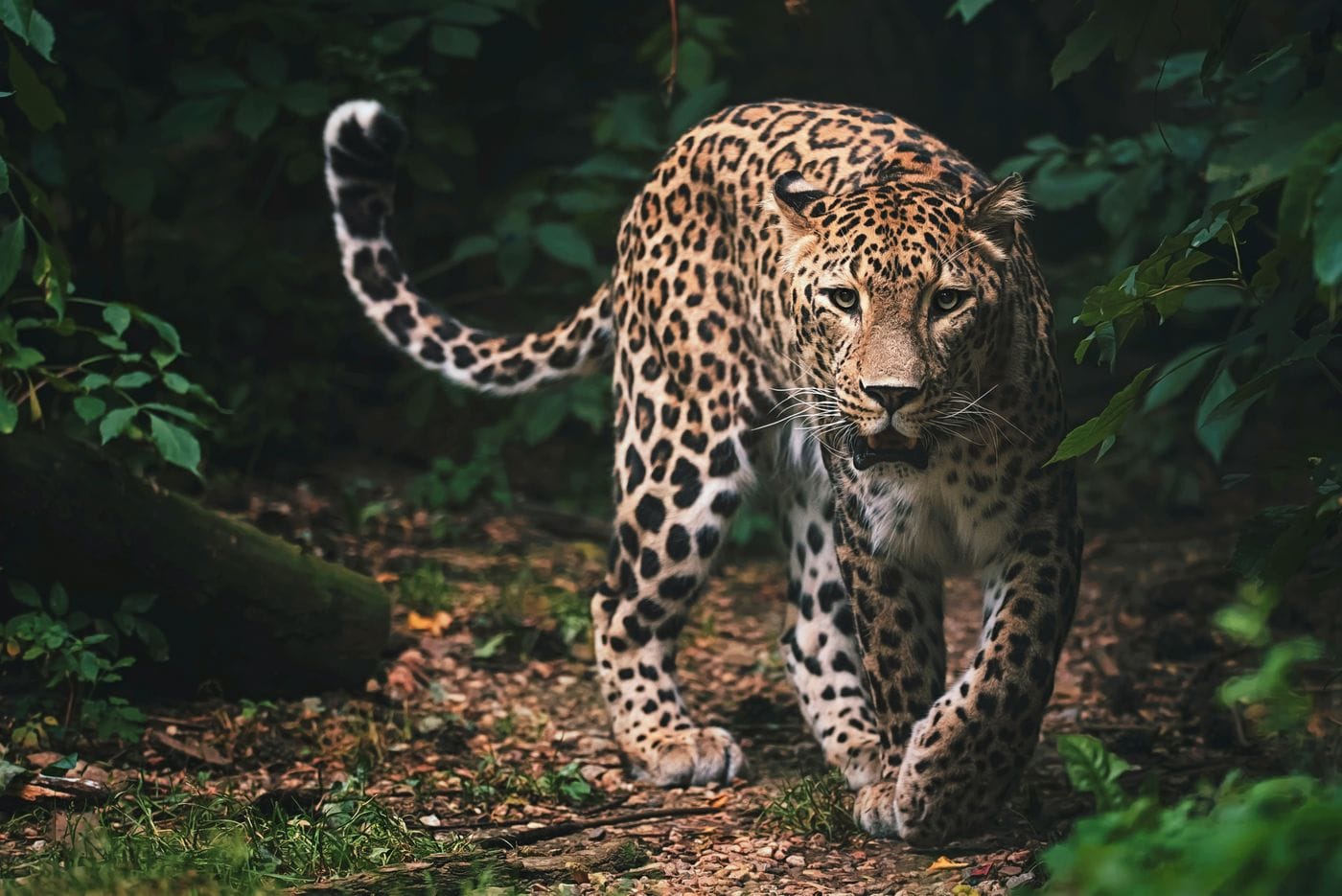
A new study published in the journal Global Ecology and Conservation has found that leopard density in Benin's Pendjari National Park more than tripled over a six-year period, rising from 0.62 to 2.08 leopards per 100 square kilometres between 2017 and 2023, offering a rare piece of genuinely encouraging news for the West African leopard, a geographically isolated population that was listed as regionally endangered by the IUCN in 2025 following a 50 percent population decline over two decades that left an estimated 354 mature individuals surviving across the entire region. The park, part of the sprawling W-Arly-Pendjari World Heritage Site that stretches across Benin, Burkina Faso, and Niger, has been managed in partnership with the Beninese government by African Parks since 2017, and the study's lead author, Panthera scientist Marine Drouilly, credited that intervention directly: the recovery in Pendjari is linked to African Parks' sustained ranger presence, anti-poaching operations, habitat restoration, and community engagement programs that took hold precisely during the study's timeframe.
The finding is significant not only for what it shows happening in Pendjari but for what it suggests about the broader landscape: with just 354 West African leopards left across 11 countries, each population is a potential seed for future recovery across a much wider area. Drouilly noted that Pendjari's persisting population remains critical to any future recolonization of the wider complex, adding that if the full area can eventually be secured, animals will be able to expand from there. That fuller picture is still troubling: leopards were not detected at all in parts of the WAP National Park in 2021, and heavy overgrazing has been reported in sectors of Niger and Burkina Faso. The security situation in the Sahel also complicates conservation access across large parts of the region. The study documents a population under genuine pressure managing a genuine recovery in exactly one place, at exactly the time one organization committed to protecting it properly, and Drouilly called it a win. In a story with as few wins as this one, it is worth holding onto that.