California Bird Makes A Marvelous Comeback
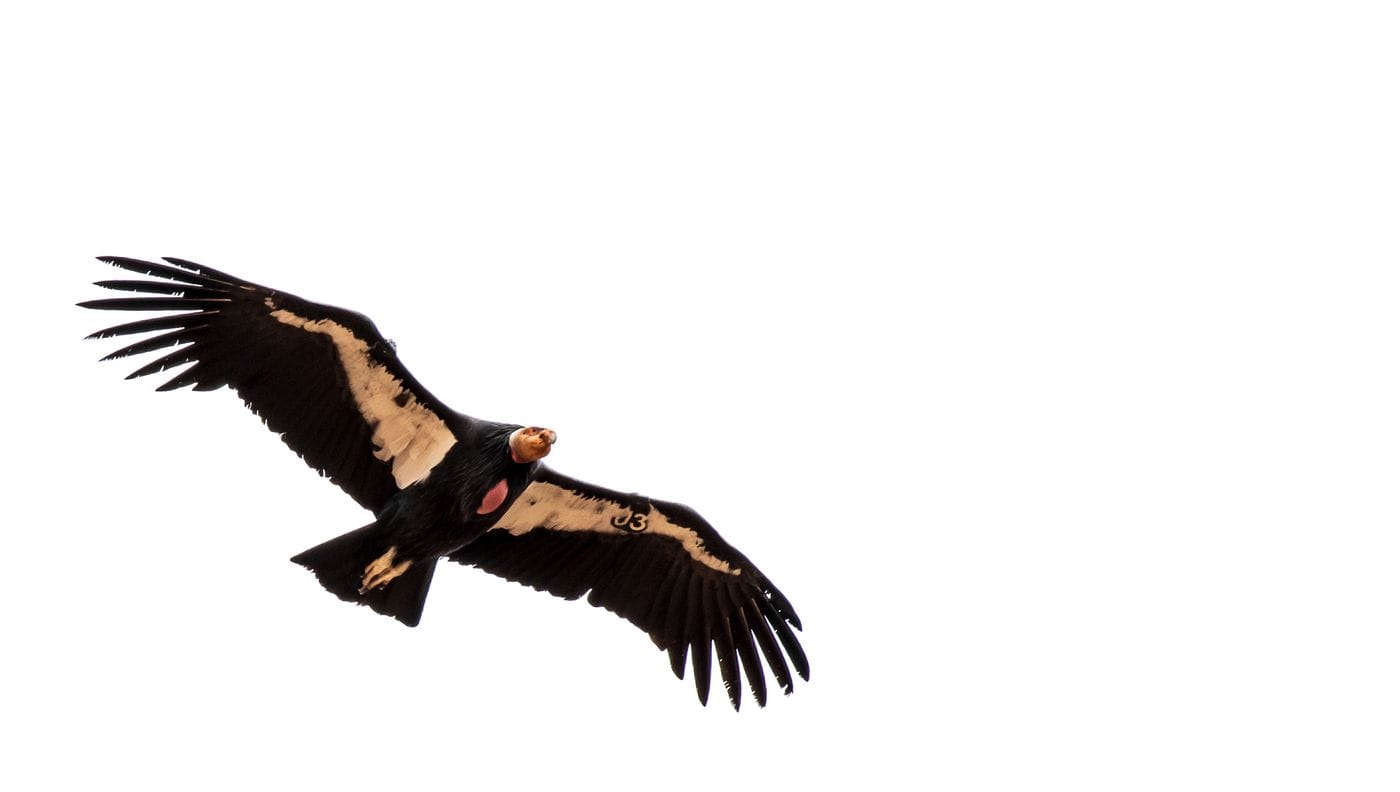
In early February 2026, biologists with the Northern California Condor Restoration Program detected a series of behavioral changes and a shift in satellite flight data that told them something remarkable was happening in a remote stretch of old-growth redwood forest in Yurok ancestral territory in Northern California. A pair of California condors known as Ney-gem' Ne-chween-kah, which translates in the Yurok language to She Carries Our Prayers, and Hlow Hoo-let, meaning At Last I Fly, appeared to have built a nest inside a cavity of an ancient redwood tree along Redwood Creek drainage. If the assessment was correct, it would represent the first California condor nest in the Pacific Northwest in more than 100 years. The nest is too remote to confirm directly without disrupting the birds, but the biologists watching the transmitter data are increasingly confident. The program announced the finding in early March, and for the Yurok Tribe, whose largest federally recognized tribal nation has been working toward this moment since 2003, the news carried a weight that went well beyond a wildlife milestone.
The California condor, known as prey-go-neesh in the Yurok language, is sacred to the tribe. Its feathers and songs are foundational components of Yurok World Renewal ceremonies, and the bird appears in the tribe's origin narrative as a presence that predates memory. When Yurok elders designated prey-go-neesh as the top priority for land-based species restoration in 2003, they were making a decision about ecological health and cultural continuity simultaneously. The tribe spent nearly two decades conducting studies, evaluating contamination risks, and building partnerships before the first cohort of four condors was released in May 2022. The global California condor population had dropped to 22 individuals in 1982, prompting the removal of every remaining wild bird into captive breeding programs, and has since recovered to more than 600. Twenty-four condors now reside in the wild within Yurok ancestral territory, and the program plans to release additional birds each summer for at least 20 years. Yurok Wildlife Department Director Tiana Williams-Claussen said she had been waiting for this moment since the first birds arrived in 2022, and that as a scientist she knew not to get her hopes up too high, before adding that it does not mean she cannot cheer for these young parents' success.