Ancient Teeth Helped Solve Mystery About How Mammals Took Over The Earth
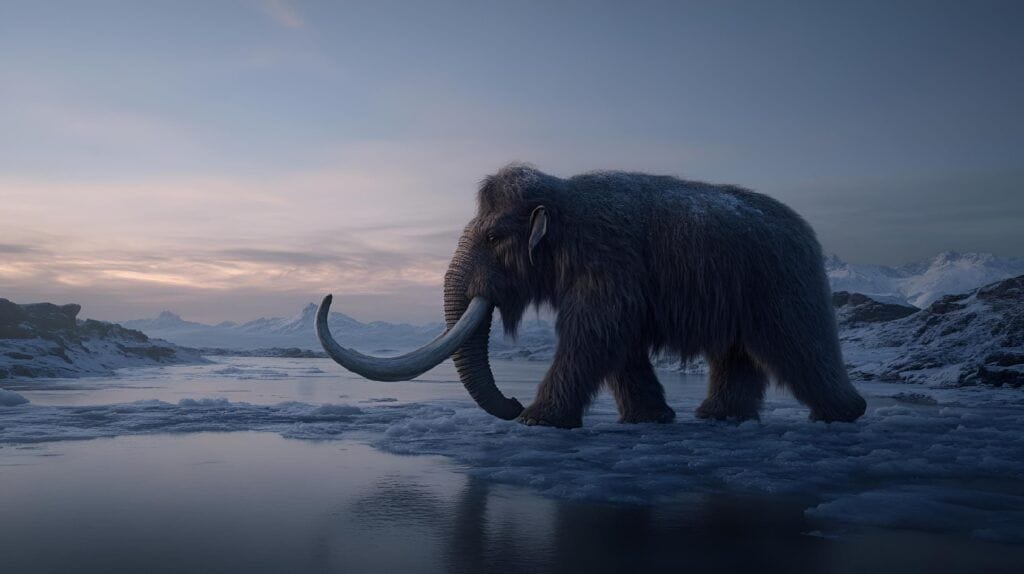
When an asteroid struck the Yucatan Peninsula 66 million years ago and wiped out the large dinosaurs, it left mammals in possession of a world they were suddenly free to colonize in ways that had never been possible before, and what happened next is one of the most consequential biological stories in the history of life on Earth. A new study published in the journal eLife, led by researcher Z. Jack Tseng at the University of California Berkeley, has used a dataset of 200 fossil teeth from 48 specimens of extinct mammals recovered from three fossil-rich basins in South China to describe for the first time what that early expansion actually looked like in Asia, and the answer is surprising. The findings propose what the researchers call the brawn before bite hypothesis: in the first few million years after the extinction, mammals in South China grew significantly larger before their teeth became more specialized for particular diets. Size came first, and dietary diversification followed several million years later, a sequence that differs in its timing from patterns described in North American fossil records and suggests the story of mammalian recovery after the extinction was not the same everywhere on the planet.
The team generated three-dimensional models of the 200 teeth using high-resolution micro-CT scanning and laser scanning, capturing tooth shape complexity, curvature, and the mechanical performance of each tooth under simulated biting forces, then tracked how all of those traits changed across the 10-million-year span of the Paleocene epoch in Asia. What they found was that during the early Paleocene, mammals in South China were already relatively large, but their teeth were relatively simple and generalist in structure, meaning the animals were not yet committed to specialized diets. Only as the epoch progressed did the teeth begin to grow more complex and curved in ways that reflect the chewing demands of different food types, coinciding with evidence that the local plant life was also shifting toward more drought-tolerant species. Tseng said the findings provide initial insights into the changes that occurred in placental mammals outside North America and open opportunities for developing predictive models about how modern animals might respond to biodiversity crises in the future, a comparison that feels less like a scientific abstraction and more like a practical question every year.
Source:https://www.earth.com/news/fossil-teeth-show-early-mammals-got-bigger-before-changing-their-diets/