Donkey Firefighters Are The Secret Weapon In Spain
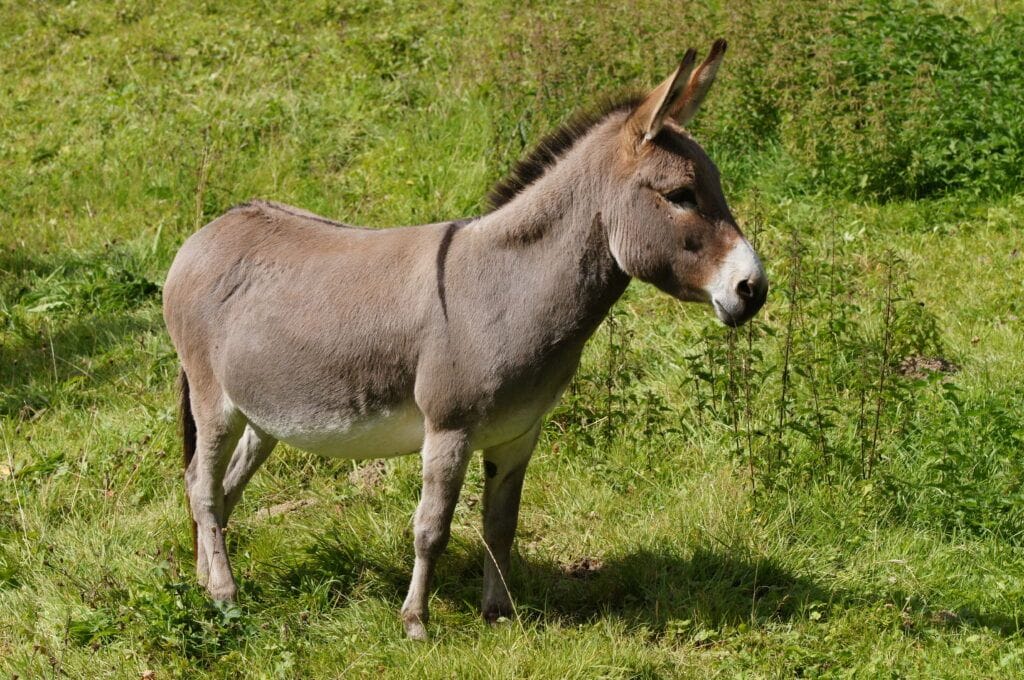
Doñana National Park in southern Spain is home to Iberian lynxes, critically endangered birds, and hundreds of migratory species passing through one of Europe's most important wetland ecosystems. It has also not recorded a single wildfire in nine years. That streak is not the result of a dramatic new technology or a multi-million-euro infrastructure project. It is the result of 18 rescued donkeys with names like Mortadelo, Magallanes, Leonor, and Ainoa, who show up every day and eat. Since 2014, the donkeys from a Spanish association called El Burrito Feliz, which translates to The Happy Little Donkey, have been deployed along the park's outskirts to graze the dry scrub that fuels wildfires before it can accumulate into a fire risk. They work up to seven hours a day between March and November, moving through strips of vegetation roughly 40 by 15 metres, clearing terrain that vehicles and machinery simply cannot access because of the density of the undergrowth and the unevenness of the land. Every mouthful of dry grass they eat is one less mouthful of fuel that could carry a fire into one of the most ecologically sensitive landscapes in Europe.
The urgency behind the program is real. By August 2025, wildfires had burned nearly one million hectares across Spain, making it one of the most fire-affected countries in Europe, and the dry scrub that grows along Doñana's edges is exactly the kind of vegetation that turns a spark into a catastrophe under hot, dry summer conditions. The donkeys create natural firebreaks without chemical treatment, without emissions, and without disturbing the soil in the way mechanical clearing does. They were all rescued from abandonment before joining the program, meaning the project delivers animal welfare outcomes and ecological outcomes simultaneously, at a fraction of the cost of conventional fire prevention. Manuel Morales, who works with El Burrito Feliz, described the animals as working in a very targeted way, moving in rows to clear specific areas with what he called an extraordinary precision that has surprised even the ecologists involved. Doñana's management team credits the program as a meaningful contributor to the park's nine-year fire-free record. Spain's national parks are now looking at whether the model can be expanded, and conservation organizations across southern Europe are watching closely. The donkey firefighters, for their part, appear entirely unbothered by the recognition.
Source:https://happyeconews.com/donkey-firefighters-in-spain/