Six Million Antelope Are Migrating Right Now In A Place Almost No One Has Ever Seen.
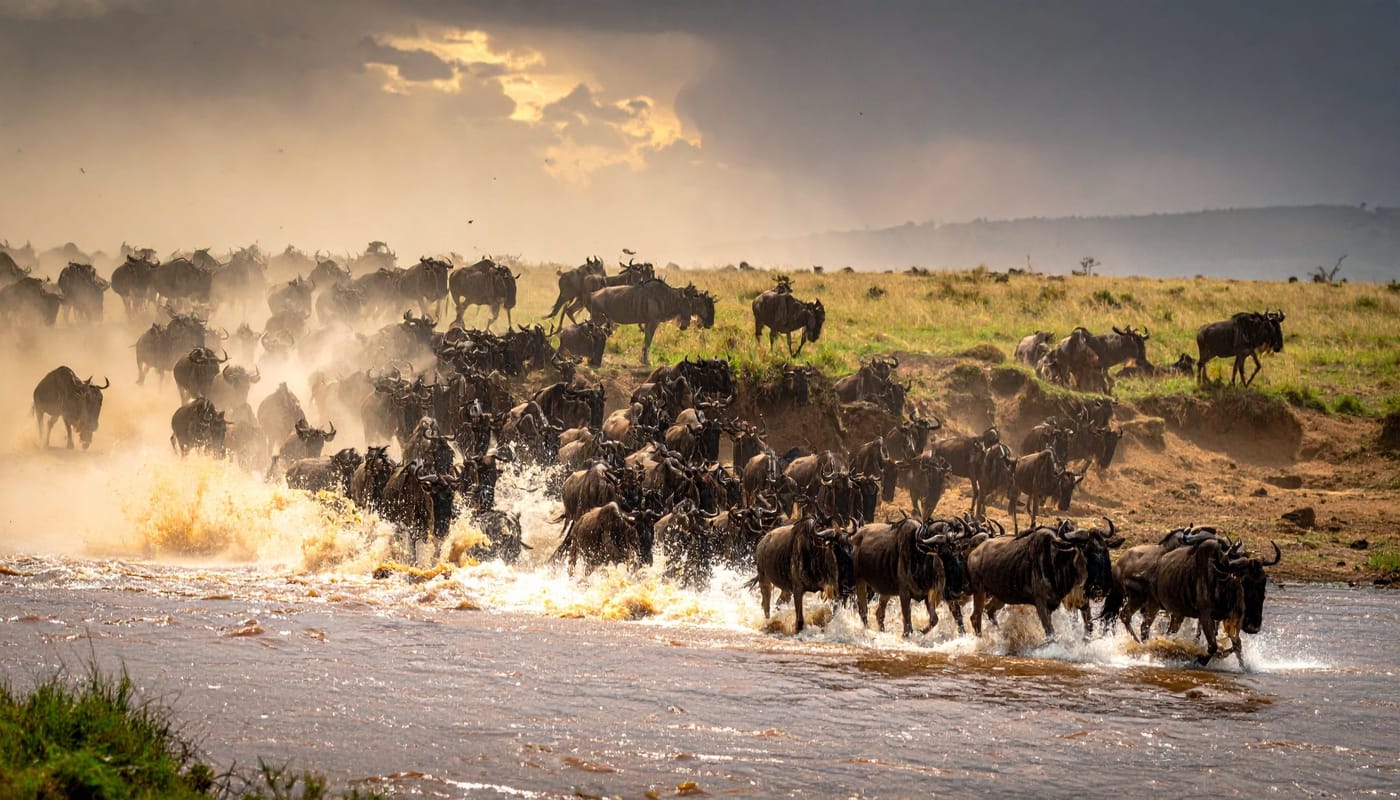
Every year, nature documentary fans around the world watch the Serengeti migration, in which approximately 1.5 million wildebeest thunder across the plains of Tanzania and Kenya in what is regularly described as the greatest wildlife spectacle on Earth. That description is no longer accurate. In the grasslands of South Sudan and southwestern Ethiopia, six million antelope from four species including the white-eared kob, tiang, Mongalla gazelle, and Bohor reedbuck move seasonally across a landscape the size of Nebraska in what African Parks has named the Great Nile Migration, a movement of mammals more than three times the scale of the Serengeti event. Renowned naturalist Mike Fay, who helped conduct an aerial survey of the migration, described it as the greatest migration of large fauna in the world, including the oceans, and said the entire planet should be amazed that this exists. Very few people outside of conservation science know that it does.
The reason the Great Nile Migration has remained almost entirely unknown to the outside world is not hard to understand: South Sudan has been embroiled in conflict for most of the past four decades, making it one of the most difficult and dangerous destinations on Earth to visit, and the animals' movements through dense and remote savannah are difficult to track without aircraft and funding. It was only through a major aerial survey using two planes capturing 330,000 images, conducted by African Parks in partnership with the South Sudanese government, that the migration's true scale was first documented and confirmed. The survey revealed that the antelope numbers here were more than double those of the Serengeti wildebeest, making the Great Nile Migration not just underseen but categorically the world's largest movement of land mammals. A long-term conservation agreement between South Sudan and African Parks is now in place to protect the landscape, and researchers are cautiously optimistic that sustained international attention and conservation investment could help safeguard a spectacle that most of humanity has never had the chance to witness.