Burglars Leave Invisible DNA Floating In The Air And Police Can Now Collect It
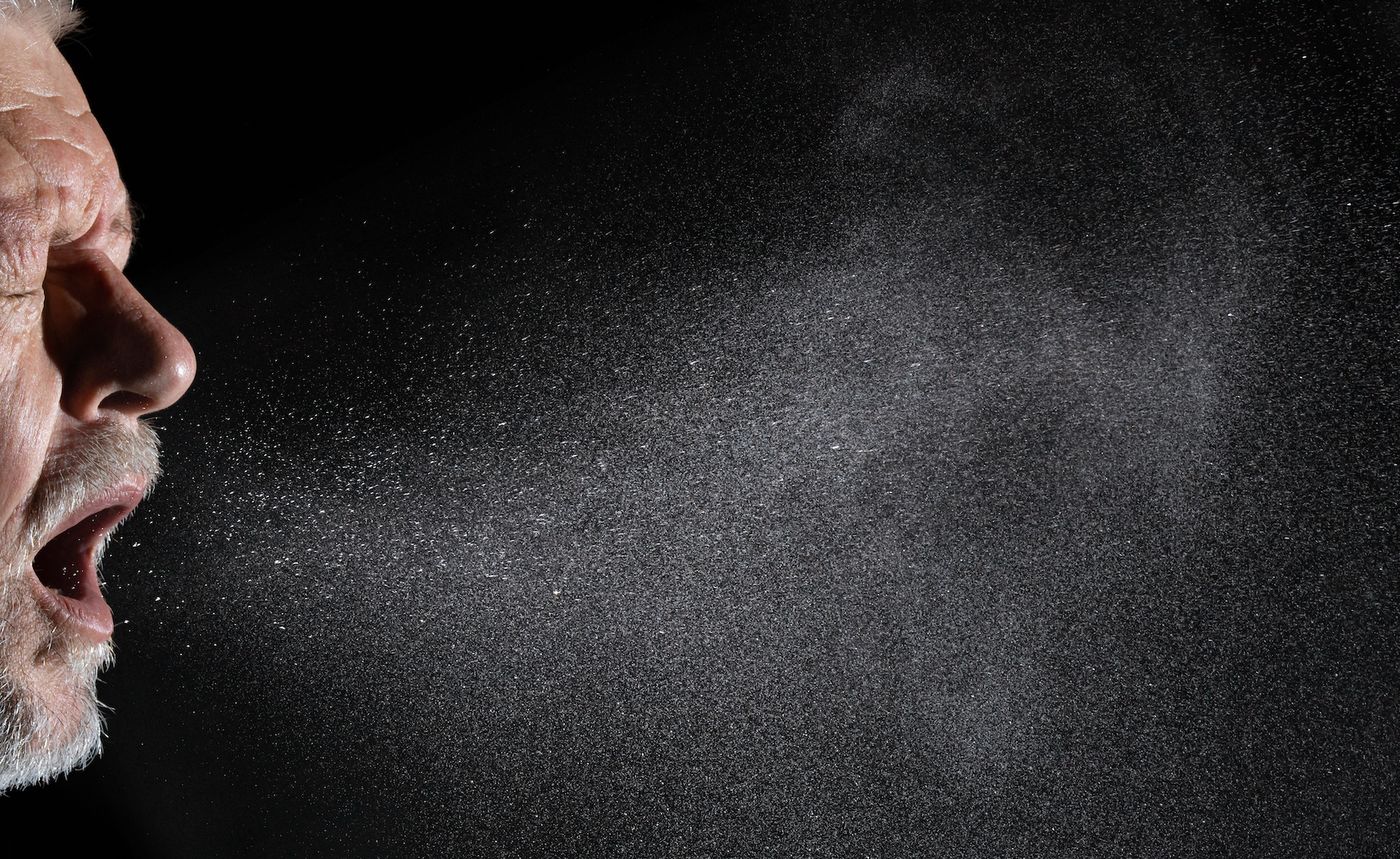
A team of forensic scientists from Oslo University Hospital, Flinders University, and Victoria Police in Australia staged simulated break-ins across 22 homes and discovered that the burglar's DNA was detectable floating in the air of 13 of them thirty minutes after the intruder left, a finding published in the journal Forensic Science International: Genetics that opens a new avenue for crime scene investigation. In each home, a volunteer who had no prior contact with the household spent 15 minutes rummaging through the kitchen in the manner of a burglar, opening drawers, handling appliances, riffling through cabinets. A sampler placed in the center of the kitchen then pulled approximately 53 gallons of air per minute through a filter for two hours. The air caught the intruder's DNA in nine of 11 Norwegian homes, about 82 percent, and four of 11 Australian homes, about 36 percent. The gap between the two cities was not fully explained and could reflect differences in ventilation, climate, or laboratory methods between the two research teams. Most importantly, the air samples detected DNA from two intruders who were classified as low shedders, people who leave relatively little DNA on the surfaces they touch, and who would likely have been missed by conventional surface swabbing alone.
The traditional approach to collecting DNA at a burglary scene focuses on surfaces: swabbing the handles, drawers, and objects the intruder touched. This method has a persistent problem: the residents' DNA is almost always on those surfaces too, usually in larger quantities than the intruder's, making it difficult to isolate a useful forensic profile from the mix. In one Norwegian home in the study, the intruder's DNA did not appear on any of the six handles swabbed or in any dust sample, but turned up clearly in the air filter. The air, unlike a door handle, captures only what has been shed recently, because DNA in moving air disperses and settles quickly rather than accumulating over months the way dust does. The study's dust samples showed exactly this pattern: the dust in kitchen and bedroom reflected who had been in the home for weeks or months, including former visitors and relatives long gone, while the air filter showed who had been there in the last half-hour. The researchers are careful about what the study does not yet show: the volunteers wore no gloves or masks, and police rarely arrive 30 minutes after a break-in, so whether DNA remains airborne for hours or days is still unknown. Contamination by the research team's own DNA despite full protective gear was also a limitation. The study is described as an early proof of principle, with wider testing across more homes and climates the clear next step.
Source:https://www.earth.com/science/criminals-leave-invisible-dna-evidence-floating-in-the-air/