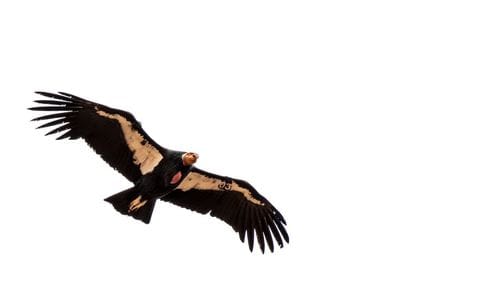
For most of the twentieth century, a bird with a nearly ten-foot wingspan was completely missing from the skies above the Alps, wiped out by hunters who mistakenly believed it was a danger to livestock and children. The bearded vulture, one of the most dramatic birds on Earth, was shot to extinction across the entire Alpine range, with the last known individual killed in 1913. What followed was one of the most ambitious wildlife rescue efforts the world has ever attempted. In the 1970s, a group of conservationists from countries across the Alps joined forces to bring the species back from the brink, building a captive breeding network and carefully selecting remote cliff sites where young birds could be released and learn to survive on their own.
The first birds were released into the wild in 1986, and the wait for results required extraordinary patience, since bearded vultures do not even begin breeding until they are several years old and often need multiple seasons before they successfully raise a chick. But the patience paid off. Today, more than 100 breeding pairs have established territories across the Alps, a milestone that would have seemed impossible to those who carried the first captive-bred birds up to those remote cliffs four decades ago. Scientists now estimate the population could double within the next ten years, and the species has recently returned to parts of Germany where it had been absent for over 140 years. The bearded vulture fills a role no other bird can: it uses its powerful stomach acid to digest bones that other scavengers cannot touch, making it a unique and essential part of the mountain ecosystem. What began as an act of faith by a handful of determined conservationists has grown into what many now call one of the greatest wildlife comeback stories in recorded history.
Source: https://www.bbc.com/future/article/20260305-how-vultures-returned-from-alpine-extinction