MIT Created A Yarn Made From Milk Bottles That Can Be Recycled 10 Times Without Losing Strength
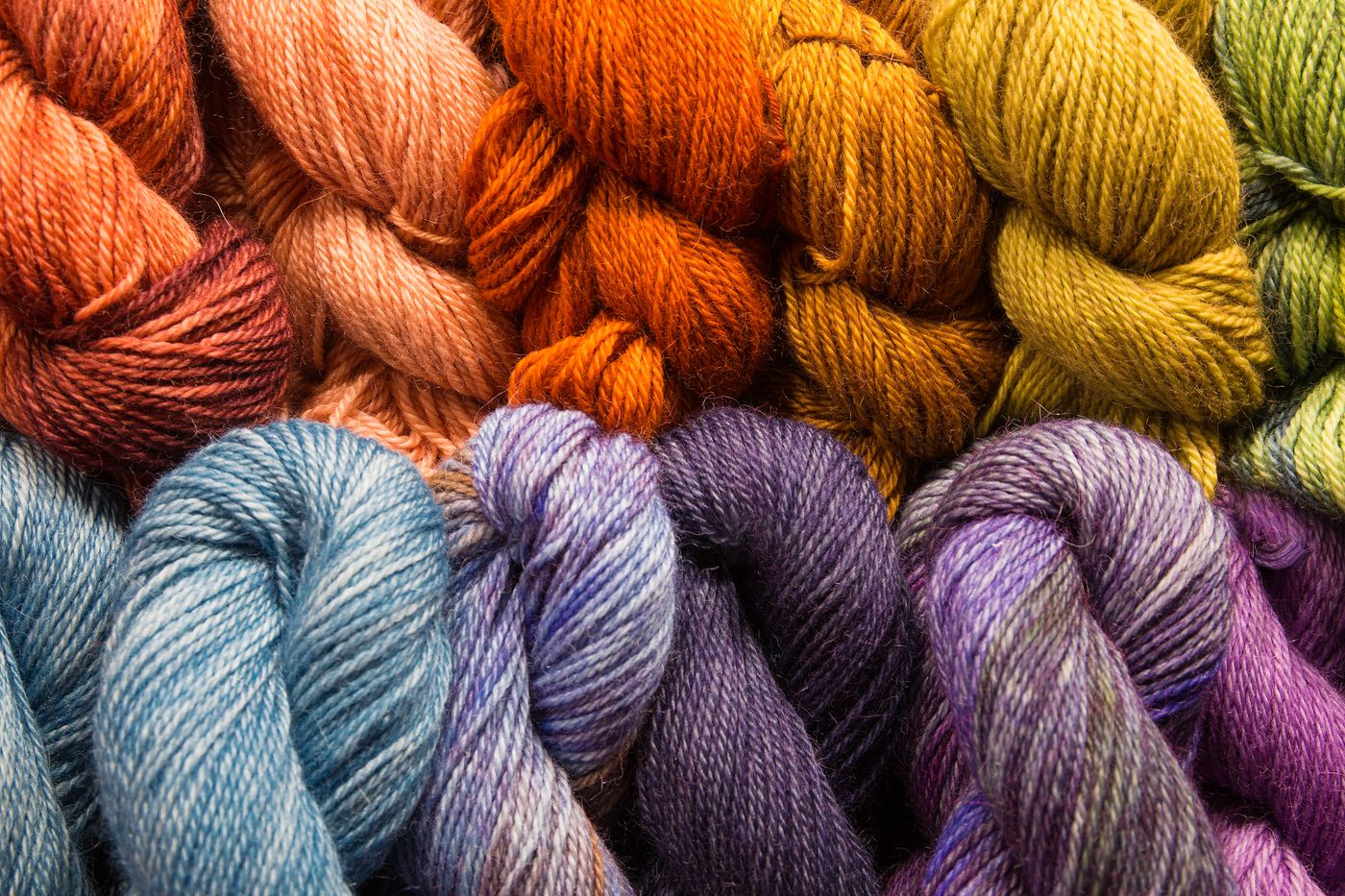
Scientists at the Massachusetts Institute of Technology have developed a lightweight, stretchy yarn made from polyethylene, the same plastic used to make milk bottles and shopping bags, that can be woven into clothing, worn, and then melted down and spun into fresh yarn again and again, with researchers successfully completing the full recycling cycle 10 times and finding that the material remained just as strong and flexible as conventional sewing thread after every round. The research, led by first author SeongHyeon Kim and published in ACS Materials Letters, addresses what MIT research scientist Svetlana Boriskina describes as one of the most stubborn problems in textile recycling: 80 percent of all textiles on the United States market currently contain some amount of spandex, which makes them non-recyclable because spandex is a blend of different materials that cannot be easily separated, meaning the vast majority of stretchy clothing that wears out eventually ends up in landfill with no viable alternative path. Boriskina said there is currently no widely adopted technology that recycles textiles into textiles, and that changing that is exactly what the new yarn aims to do.
The polyethylene yarn can replace spandex-blend fabrics in applications where stretch is essential, covering the same performance requirements without introducing the mixed-material problem that makes recycling impossible. The researchers believe garments made from the new yarn could eventually be collected, melted, and respun into fresh clothing at the end of their useful life, and that the same recovered material could also be molded into solid products like buttons and belt buckles, creating multiple downstream options rather than a single landfill destination. The study found that stretching, washing, and wearing simulations did not degrade the yarn's performance through repeated cycles, and the researchers say the material performed comparably to conventional elastic thread in side-by-side tests. Polyethylene is one of the most commonly recycled plastics in the world, meaning an established collection and processing infrastructure already exists for the base material, potentially reducing the capital investment required to scale the technology. The fashion industry produces an estimated 92 million tonnes of textile waste globally each year, and the arrival of a commercially viable, fully recyclable stretch yarn represents a meaningful step toward changing that number.
Source:https://www.goodnewspost.co.uk/new-recyclable-yarn-could-transform-the-future-of-fashion/