Underwater Bubble Curtains Are Stopping 86% Of River Plastic Before It Reaches The Sea
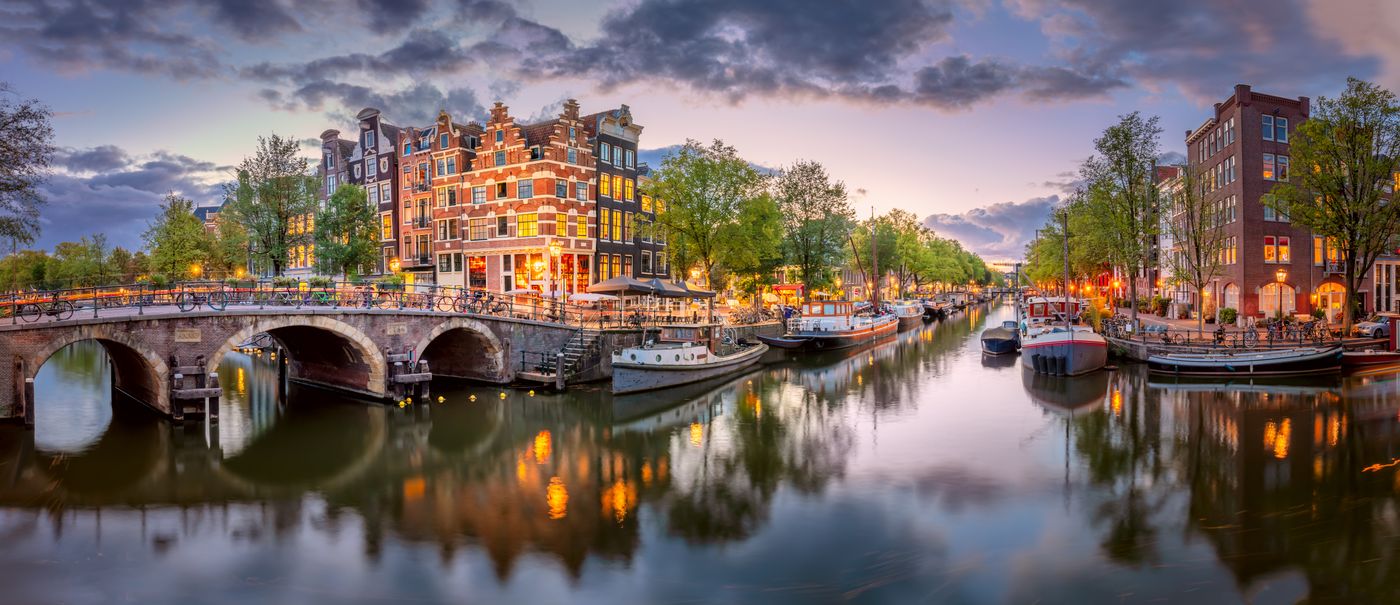
A social enterprise based in Amsterdam called The Great Bubble Barrier has developed a system for stopping plastic pollution from reaching the ocean that works exactly the way its name suggests: a perforated tube is laid across the bed of a river or canal at an angle, and air is pumped through it continuously, creating a curtain of rising bubbles that lifts plastic floating through the water column up to the surface. Because the tube sits at a diagonal to the direction of flow, the current simultaneously pushes the collected plastic sideways along the bubble curtain toward a collection point on the bank, where it is removed and disposed of. Universities and independent research institutes have tested the system at multiple installations and found it captures approximately 86 percent of surface plastic, a figure that the company's chief business development officer Anne Marieke Eveleens says has remained consistent across different sites. Everything from cigarette butts and candy wrappers to plastic footballs and windsurf boards has ended up in the collection points. Fish pass freely through the curtain. So do ships.
The system is already operational in Amsterdam, Katwijk, and Harlingen in the Netherlands and near Vila do Conde in Portugal, with additional projects in development in Europe and the United States. The company's long-term ambition is to reach Southeast Asia, where some of the most heavily polluted rivers on the planet flow to sea, though Eveleens describes that challenge as less an engineering problem and more a coordination one: local waste collection infrastructure must be functioning at the collection point or the captured plastic simply returns to the water a few meters downstream. The project was shortlisted for Prince William's Earthshot Prize, which Eveleens says has helped give the technology global recognition. The company also records what each barrier catches, how often, and at what time of year, building a data set intended to inform stronger legislation against single-use plastics at the source. Less than 10 percent of the world's plastic is currently recycled, and Eveleens notes that plastic production is projected to triple by 2030. The bubble curtains are not the solution to that trajectory. But at the point where the river meets the sea, they are stopping 86 percent of what would otherwise flow through.
Source:https://goodgreen.news/bubble-curtains-can-stop-86-of-river-plastic-before-it-reaches-the-sea/