Florida County Breaks Its Own Record For Sea Turtle Nests, And The Season Isn't Even Over
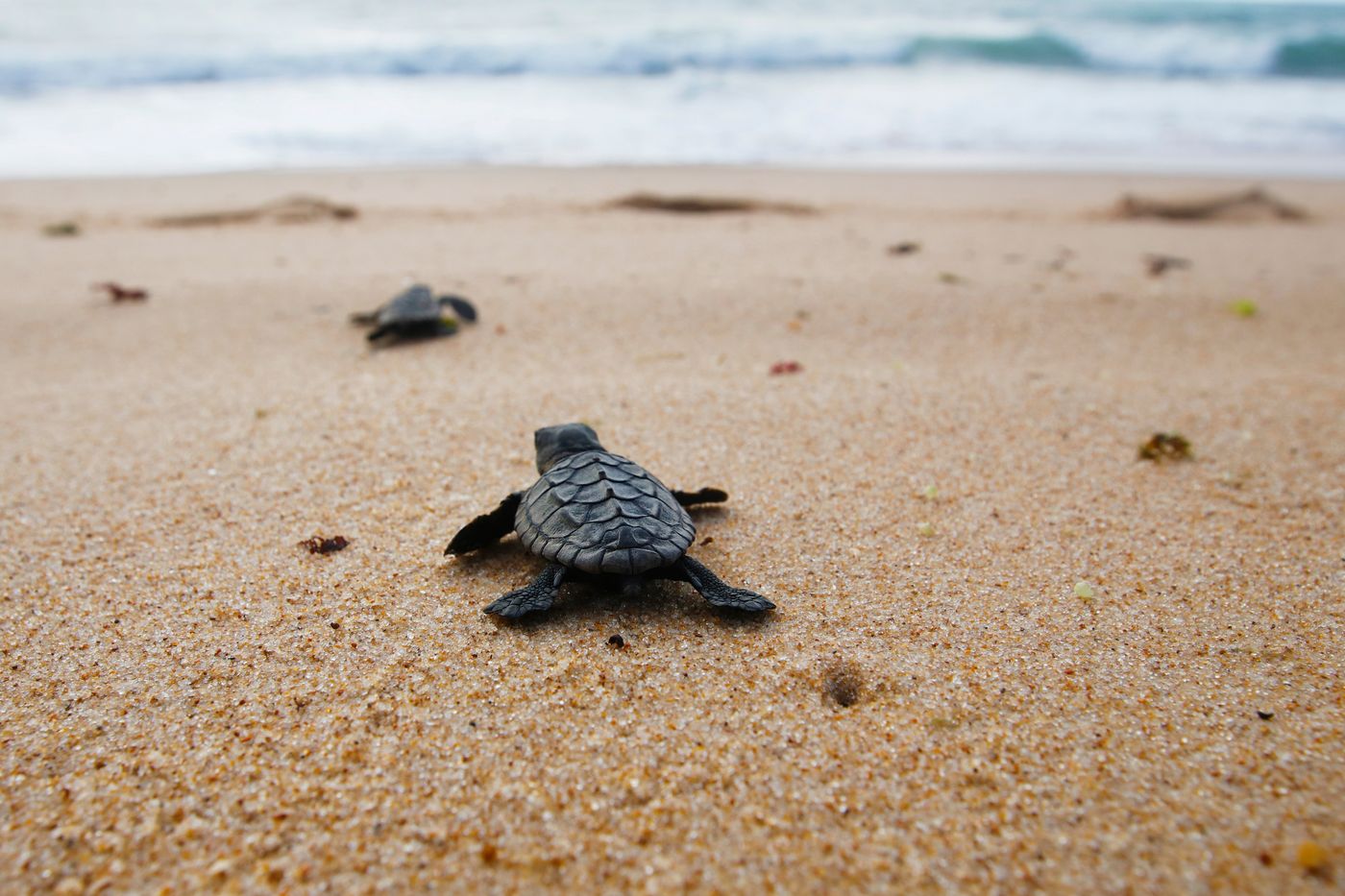
Volusia County in Florida recorded its 1,517th sea turtle nest of the 2026 nesting season, officially breaking the all-time county record set in 2023 and making this the most successful sea turtle nesting season in Volusia County's recorded history. The record-breaking nest was documented in Daytona Beach Shores, and the season is not yet over. Nicole Weiss, the Volusia County Habitat Conservation Plan Field Manager, said the county has been seeing nesting numbers steadily increase every year, noting that even the lower-activity years are producing more nests than they used to, which is an encouraging sign that conservation efforts along the coastline are working. Sea turtles typically do not nest every single year: a female will come ashore to lay eggs, then take a break of several years before returning, meaning the population numbers visible in any one season represent multiple overlapping generational patterns rather than a simple year-over-year comparison.
Three species nest on Volusia County beaches: loggerhead, leatherback, and green sea turtles, all of which are protected under federal law, with loggerheads listed as threatened and leatherbacks and greens listed as endangered. The county's Habitat Conservation Plan coordinates monitoring, nest marking, and hatchling protection efforts across its coastline, and the improvement in nesting numbers reflects years of sustained effort to protect habitat and reduce the human-caused threats that most commonly harm nesting females and their eggs. Weiss noted that residents and beachgoers can directly support the remaining weeks of nesting season by turning off or shielding beach-facing lights at night, removing chairs and tents before leaving, filling in any holes dug in the sand, picking up trash, and staying away from marked nesting areas. Sea turtle hatchlings navigate toward the ocean by following the natural brightness of the horizon over the water, and artificial lights on or near the beach are one of the most well-documented causes of disorientation and hatchling mortality. Each of the 1,517 nests currently marked along the county's beaches represents a clutch of eggs working its way toward the moment of emergence.